

- Home
- •
- For
For
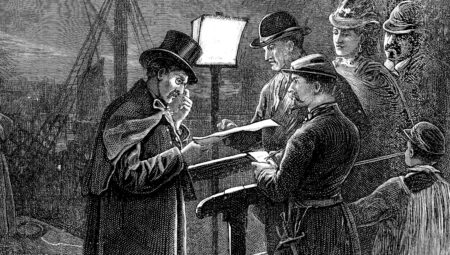
What Did People Use for IDs Before Photos?
In a world without cameras, biometric databases, or even consistent spelling, identifying individuals could be quite a complex challenge. Before photography helped fix identity to an image, societies developed a range of creative methods to determine who someone was — a task that could be surprisingly difficult, especially when that someone was outside their home community. From scars to seals to signatures, here’s how identity was tracked before photo IDs. Names (and the Trouble With Them) A name was the most basic marker of identity for centuries, but it often wasn’t enough. In ancient Greece, to distinguish between people with the same first name, individuals were also identified by their father’s name. For example, an Athenian pottery shard from the fifth century BCE names Pericles as “Pericles son of Xanthippus.” In ancient Egypt, the naming convention might have reflected the name of a …Read More

Why Are Traffic Lights Red, Yellow, and Green?
For drivers in many parts of the globe, the red, yellow, and green sequence of traffic lights has become an instinctual part of how we move through the world. But why these three colors? How did they come to govern the movement of billions of people across the planet every day? As it turns out, there are a few factors in play, including the history of transport, color psychology, and basic physics. Red Lights and Railroads The colors used in traffic lights today were not invented for roads. They were largely inherited from the railway industry, which began developing light-based signaling systems in the 1830s (based on even older semaphore flagging). But in the early days of railroads, the colors were slightly different: While red was used to signal “stop,” white meant “go,” and green was the color used to indicate caution. The …Read More

7 Interesting Facts About Napoleon Bonaparte
The famed general is remembered for his iconic bicorn hat, his allegedly short stature, and his singular military skill.
6 Amazing Breakthroughs Made by the Ancient Greeks
Philosophy, drama, science, and mathematics all sprung from this humble peninsula in the Mediterranean.
What Everyday Life Was Like in Ancient Rome
Here are six facts that offer a glimpse of what it was like to be an average citizen in one of the world’s most influential empires.
5 Fun Facts About Swimsuits Through History
The invention of the bathing suit as a tasteful, stylish outfit specifically for water-based leisure may go as far back as ancient Rome.