

- Home
- •
- Was
Was
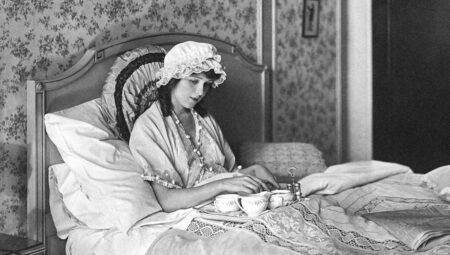
Why Did People Wear Sleeping Caps?
If you picture bedtime a few centuries ago, you might imagine a candle flickering low, a heavy bed curtain drawn tight, and a soft cap pulled snugly over the sleeper’s head. Nightcaps show up so often in early modern portraits and literature that they can feel like a quaint cliché. But for the people who wore them, these caps served practical, medical, and even social purposes. They were, in short, small garments with a surprisingly large job. Here’s a look at why they were worn. Keeping Warm in a Cold World One of the simplest reasons for nightcaps is also one of the most important: warmth. Before the widespread use of central heating, homes were notoriously cold at night. Even well-to-do households relied on fireplaces that burned down after bedtime, leaving rooms chilly by morning. Drafts slipped through ill-fitting windows and doors, and …Read More
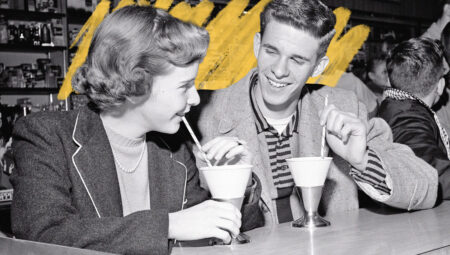
Why Teenagers Didn’t Exist Until the 20th Century
For most of human history, you were either a child or an adult. The word “teenager” first entered the lexicon in 1913, appropriately enough, but it wasn’t until decades later that it took on its current significance. The ages spanning 13 to 19 are formative no matter what you call them, but three developments in the mid-20th century had a major influence on the creation of the modern teenager. The first was the move toward compulsory education, which got adolescents out of farms and factories and into high school, where they spent more time among their peers. The second was the economic boom that followed World War II, which created a new, highly sought-after demographic for companies and advertisers. And the third was the widespread adoption of cars among American families, which afforded 16-year-olds unprecedented independence. Because one generation criticizing — and, to …Read More

7 Kitchen Tools Everyone Owned in 1900
If you were to go back in time and step into an average American kitchen in 1900, it would feel both familiar and strange. A lot of items would be instantly recognizable — the pots and pans, knives and forks, plates and bowls — but you’d soon notice the lack of certain modern tools. There would be no electric mixer, no blender, no coffee machine, and no refrigerator or freezer. Back then, everything that happened in the kitchen was done by hand. Homemakers were expected to bake bread, preserve fruit, grind coffee, render lard, and cook hot meals on a stove that required constant attention. The luxury of pressing a single button to heat food, mill ingredients, or toast bread was nothing but a fantasy. Instead, cooks relied on a selection of manually powered devices and appliances. Here are seven such tools that …Read More
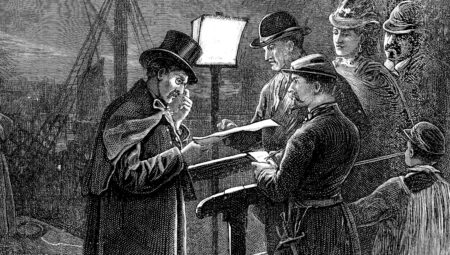
What Did People Use for IDs Before Photos?
In a world without cameras, biometric databases, or even consistent spelling, identifying individuals could be quite a complex challenge. Before photography helped fix identity to an image, societies developed a range of creative methods to determine who someone was — a task that could be surprisingly difficult, especially when that someone was outside their home community. From scars to seals to signatures, here’s how identity was tracked before photo IDs. Names (and the Trouble With Them) A name was the most basic marker of identity for centuries, but it often wasn’t enough. In ancient Greece, to distinguish between people with the same first name, individuals were also identified by their father’s name. For example, an Athenian pottery shard from the fifth century BCE names Pericles as “Pericles son of Xanthippus.” In ancient Egypt, the naming convention might have reflected the name of a …Read More
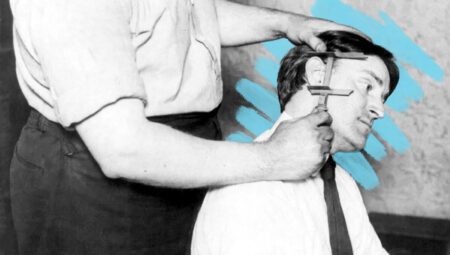
Before Fingerprints: How Ear Length Identified Criminals
Even if you’ve never been hauled downtown in a paddy wagon, there’s a chance you’ve had your fingerprints taken. They’ve been used to establish people’s identities for thousands of years, but it wasn’t until the early 20th century that police used them to track criminals. Before that, the Bertillon system was the standard identification method in much of Europe and the U.S. It measured more than a dozen different body parts — including the ears, nose, arms, head circumference, sitting height, and standing height — to identify suspects and criminals. Eye color, scars, and other distinguishing features were noted on a standardized card that also included a mug shot. The system was named for its creator, French anthropologist Alphonse Bertillon, who developed it in 1879. By 1898, 10 American cities including New York, Philadelphia, and Boston had begun using the system and coordinating …Read More
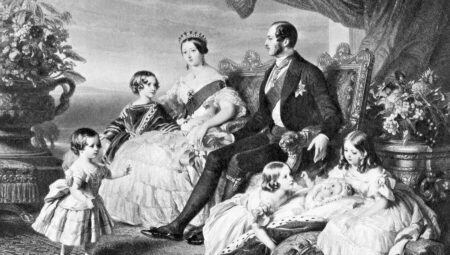
7 Facts About the Life and Reign of Queen Victoria
Victoria’s lengthy reign and complex legacy left such a lasting mark on Britain and the world that the era still bears her name.