The Arctic Landscape as a Living Classroom
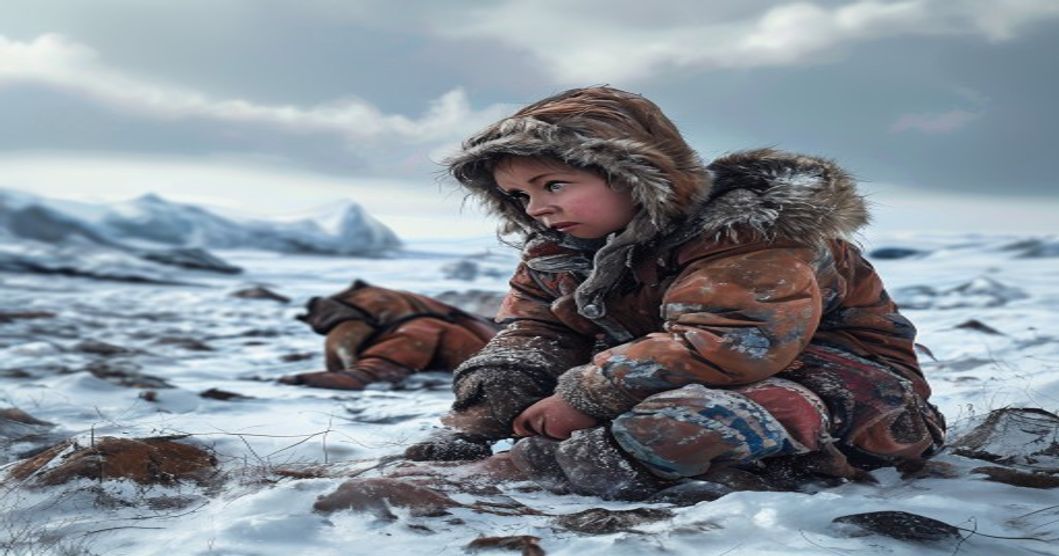
Growing up Sámi means the environment functions as an immersive educational system where survival acumen, ecological literacy, and cultural identity converge. Children learn to read weather patterns through cloud formations, track animal movements across tundra terrain, and interpret ice thickness by listening to acoustic vibrations. This place-based pedagogy transforms harsh Arctic conditions into a dynamic curriculum where every season demands specific adaptive strategies.
Navigating Extreme Seasons
Sámi childhoods are structured around the midnight sun of summer and the polar night of winter. During autumn, youth assist in preparing reindeer herds for migration while studying wind directions and snowpack density. Winter months require mastery of thermal regulation, frostbite prevention, and navigation by starlight or glacial features. Summer brings intensive knowledge transfer regarding berry harvesting cycles, moss identification, and freshwater ecosystem management.
Reindeer Herding and Seasonal Migration
The Sámi reindeer herding tradition operates as both an economic foundation and a pedagogical framework. Children begin handling herding dogs before age six, learning to interpret vocal commands and animal behavior. By early adolescence, they navigate multi-day migration routes using topographical memory rather than GPS technology. This nomadic literacy requires spatial awareness, herd dynamics comprehension, and environmental forecasting that formal schooling rarely replicates.
Building Survival Skills from Childhood
Traditional Sámi childhoods prioritize autonomous problem-solving through guided risk exposure. Young learners construct snow shelters, fashion tools from antler and bone, and practice fire-starting under variable humidity conditions. These competencies are not taught through abstract instruction but through apprenticeship modeling, where elders demonstrate techniques while children observe, replicate, and gradually assume responsibility for family provisioning.
Language, Oral Traditions, and Indigenous Knowledge
Sámi cultural continuity relies on multilingual immersion and oral transmission mechanisms that encode ecological data, historical memory, and ethical frameworks. Children acquire vocabulary tied to microclimates, reindeer anatomy, and textile dyeing processes long before encountering standardized curricula.
The Role of Joik in Cultural Transmission
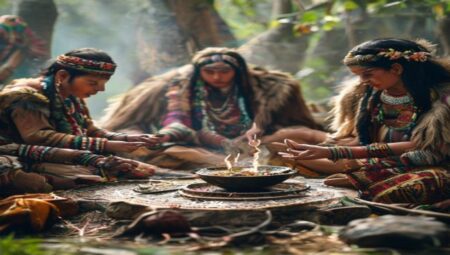
Joik functions as a mnemonic architecture for intergenerational knowledge. Unlike Western melodic structures, joik embodies the subject it describes—mountains, rivers, reindeer, or ancestral figures—allowing children to memorize geographic landmarks and historical events through rhythmic repetition. This auditory mapping system strengthens neural pathways associated with spatial recall and emotional resilience in isolated Arctic communities.
Passing Down Craftsmanship and Duodji Artistry
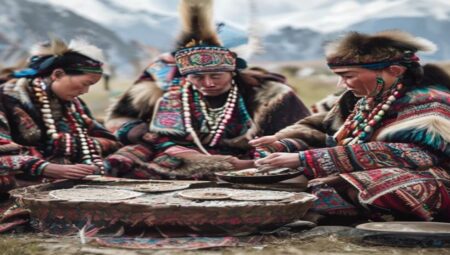
Duodji, the Sámi handicraft tradition, operates as a tactile learning laboratory. Children master knife forging, reindeer leather tanning, silver thread embroidery, and birch bark weaving through progressive skill tiers. Each craft encodes seasonal resource management principles: when to harvest materials, how to process them without degradation, and which patterns signify clan affiliation or regional origin. Mastery requires tactile memory, fine motor precision, and ecological sustainability awareness.
Education, Adaptation, and Modern Challenges
Contemporary Sámi childhoods navigate the intersection of indigenous epistemologies and standardized educational frameworks. Youth must balance traditional herding calendars with academic schedules while confronting historical assimilation policies that suppressed cultural expression.
Blending Traditional Learning with Formal Systems
Sámi communities implement dual-curriculum models where classroom instruction incorporates reindeer ecology, Arctic botany, and indigenous law. Schools utilize mobile learning units during migration periods, ensuring academic continuity while maintaining herding commitments. This approach recognizes that functional literacy in Arctic contexts requires geographic specialization, not generic standardization.
Language Revitalization and Youth Activism
Digital activism and community-led immersion programs have accelerated Sámi language recovery. Youth utilize social media to document joik performances, publish bilingual ecological journals, and develop interactive mapping tools for traditional grazing lands. These initiatives transform cultural preservation into peer-driven innovation, where teenagers become primary agents of linguistic and environmental advocacy.
Preserving Sámi Heritage in a Changing Climate
Accelerated Arctic warming disrupts centuries-old ecological synchronicity, directly impacting childhood experiences and heritage transmission. Unpredictable freeze-thaw cycles create ice layers that prevent reindeer from accessing lichen, while earlier snowmelt alters plant blooming patterns critical to traditional foraging.
Environmental Shifts Impacting Childhood Experiences
Modern Sámi children encounter climate-volatile learning environments where historical navigation markers become unreliable. Youth must develop adaptive forecasting techniques that combine satellite data with ancestral observation methods. This hybrid ecological literacy requires understanding permafrost degradation, altered migration corridors, and emerging wildlife distribution patterns.
Community-Led Conservation and Cultural Resilience
Sámi communities establish indigenous-led monitoring networks where adolescents participate in climate data collection alongside herd management. These initiatives integrate traditional knowledge with scientific validation, creating culturally grounded adaptation strategies. Youth leadership in land stewardship programs ensures that heritage preservation remains actively practiced rather than historically archived.
Frequently Asked Questions about Sami Childhood in Arctic Regions
What is Sami Childhood in Arctic Regions?
Sami childhood in Arctic regions refers to the upbringing, cultural practices, and daily life of children belonging to the indigenous Sami people, who inhabit the northern parts of Norway, Sweden, Finland, and the Kola Peninsula of Russia. It is deeply rooted in reindeer herding, traditional crafts, storytelling, and a strong connection to the harsh Arctic environment.
Key facts about Sami Childhood in Arctic Regions?
Key facts include learning reindeer herding skills from a young age, mastering traditional clothing (gákti) and crafts like duodji, speaking Sami languages alongside the national language, participating in seasonal migrations, and growing up with a profound respect for nature and ancestral traditions.