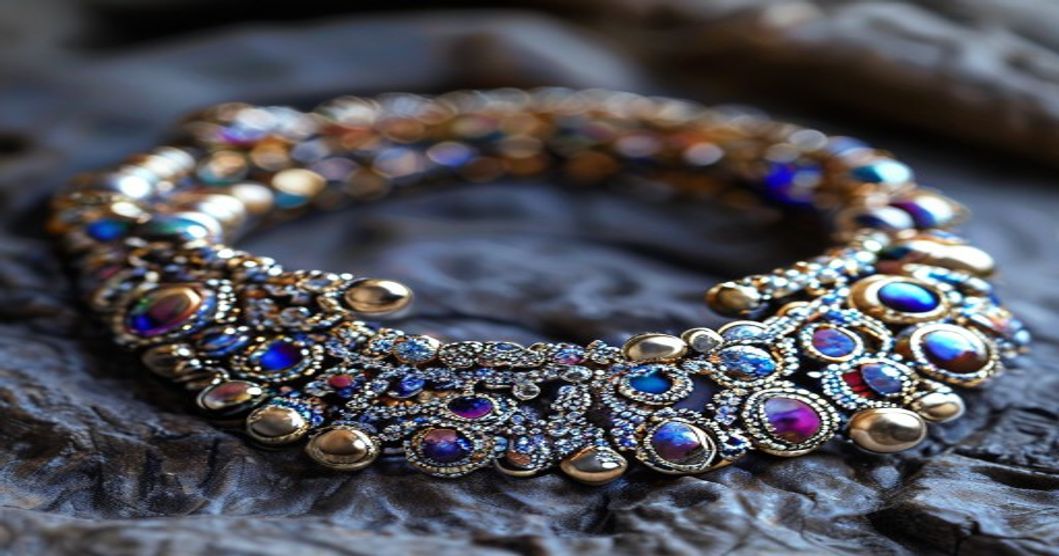
The Historical Roots of Sami Silverwork
Sami silver jewelry traditions emerged from the harsh Arctic landscapes of Sápmi, spanning northern Norway, Sweden, Finland, and Russia. For centuries, these indigenous artisans transformed raw silver into wearable archives of nomadic life. Early metalworking techniques were heavily influenced by Russian fur traders who exchanged Baltic silver for reindeer hides and furs. Over time, Sami smiths adapted European silversmithing methods while preserving distinct cultural narratives. The continuity of this craft reflects centuries of cultural resilience, where every hammered curve documented survival, trade networks, and seasonal migrations across tundra ecosystems.
Cultural Symbolism and Spiritual Meaning
Sami silverwork operates as a visual language rooted in animistic beliefs and ecological harmony. Motifs frequently depict reindeer antlers, polar flora, celestial bodies, and geometric patterns that map ancestral routes. Silver was historically considered a protective metal against negative spirits and harsh weather conditions. Jewelry pieces functioned as spiritual shields, passing down generational knowledge through symbolic engravings that communicated clan identity, marital status, and regional affiliation. The deliberate asymmetry often found in traditional designs mirrors the organic unpredictability of nature rather than industrial precision.
Traditional Materials and Artisan Techniques
Authentic Sami silver jewelry relies on high-grade sterling silver sourced through historical trade routes or contemporary ethical refineries. Master artisans utilize hand-forging methods that require exact thermal control and rhythmic hammering pressure. The repoussé technique dominates traditional fabrication, where artisans strike the reverse side of metal sheets to raise intricate three-dimensional patterns. Wire drawing, stamping, and granulation remain essential components, executed exclusively with wooden mallets, steel punches, and forge-fueled anvils. These methods demand decades of tactile experience to achieve the characteristic depth and durability of indigenous Sami metalwork.
The Step-by-Step Craftsmanship Process
Artisan creation begins with precise pattern layout using charcoal sketches on silver blanks. The smith then heats the metal in a traditional coal or gas forge, gradually softening it for controlled deformation. Each repoussé strike requires calibrated force to prevent metal fatigue while building layered relief designs. Subsequent stages involve meticulous wire twisting, rivet placement, and surface texturing with specialized chisels. Final polishing utilizes natural pumice stones and linen rags to preserve the matte-to-satin finish that defines authentic Sami silver craftsmanship. Modern machinery is deliberately excluded to maintain structural integrity and historical accuracy.
Regional Variations in Sami Silver Jewelry
Dialectical differences across Sápmi produce distinct silversmithing schools with recognizable stylistic signatures. Southern Sami silverwork features heavier geometric stamping and bold border engravings adapted from Finnish lapponian influences. Eastern variations incorporate Russian filigree techniques alongside reindeer bone inlays for structural contrast. Western coastal artisans prioritize fluid wave patterns and sunburst motifs, while northern Kautokeino workshops emphasize dense cross-hatching and protective amulet configurations. These regional divergences demonstrate how environmental adaptation directly shapes metallurgical expression across indigenous communities.
Preservation of Artisan Heritage in Modern Context
Contemporary Sami silver jewelry traditions thrive through dedicated cultural institutes, university workshops, and intergenerational apprenticeship programs. Ethical silver sourcing now replaces historical trade dependencies, ensuring environmental sustainability without compromising material purity. International museum exhibitions document surviving prototypes while digital archives record dying tool-making techniques. Modern practitioners balance commercial demand with strict adherence to traditional workflows, guaranteeing that authentic Sami silver jewelry remains a living heritage rather than a static artifact. This deliberate preservation strategy secures artisan livelihoods while maintaining cultural sovereignty over indigenous design intellectual property.
Frequently Asked Questions about Sami Silver Jewelry Traditions
What is Sami Silver Jewelry Traditions?
Sami Silver Jewelry Traditions refer to the centuries-old craftsmanship and cultural practices of the Sami people, an indigenous group primarily residing in the northern regions of Norway, Sweden, Finland, and Russia. Their silver jewelry is renowned for its intricate designs, symbolic motifs inspired by nature and reindeer herding, and the use of traditional techniques passed down through generations.
Key facts about Sami Silver Jewelry Traditions
Key facts include the use of sterling silver and often turquoise or coral stones, the distinctive button brooches (rivet) used to fasten traditional clothing, the deep cultural symbolism embedded in each piece, the reliance on hand-forging and engraving techniques, and the recognition of Sami silverwork as an important element of cultural heritage preservation efforts.