The Heart of Sápmi: Understanding Sami Identity and Heritage
The Sami people represent the only recognized Indigenous population across Northern Europe, spanning the historic region of Sápmi which covers Finnmark in Norway, Lapland in Sweden and Finland, and the Kola Peninsula in Russia. Their cultural framework is built upon a profound, multi-generational relationship with the landscape rather than private ownership. Historically, Sami communities developed distinct dialects that fall into three primary language groups: North Sami, Inari Sami, and Skolt Sami. Each linguistic branch carries unique cosmological concepts tied to seasonal migration patterns and wildlife behavior.
Reindeer Herding as a Sustainable Livelihood
Reindeer herding remains the economic cornerstone of traditional Sami society, operating on principles that predate modern environmental science. Herders utilize precise animal tracking methods to move pastures cyclically across tundra and taiga biomes. This practice prevents overgrazing by allowing vegetation recovery periods, demonstrating an advanced understanding of Arctic ecology. Modern herding integrates GPS tracking with centuries-old snow reading techniques, proving that indigenous resource management directly supports biodiversity conservation in fragile northern ecosystems.
Arctic Survival: Traditional Knowledge and Ecological Wisdom
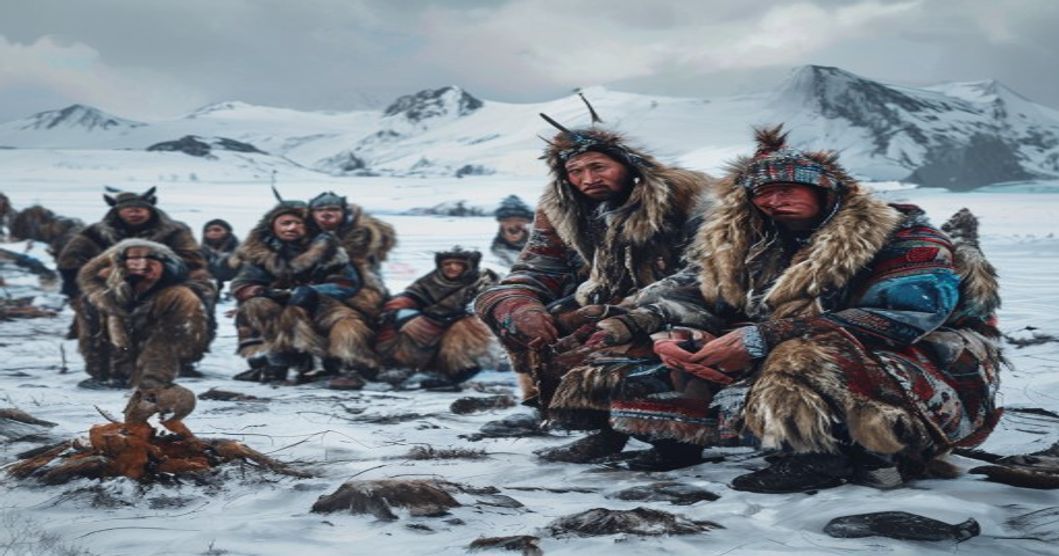
Navigating the extreme conditions of the high north requires specialized survival strategies passed down through oral transmission. Sami elders taught youth to interpret wind direction by tracking snow drift patterns, read ice thickness through acoustic resonance when striking frozen lakes, and predict weather shifts by observing reindeer ear positioning and cloud formations. These methods form the core of documented Arctic secrets that enabled successful overwintering in temperatures plummeting below -40°C.
Seasonal Cycles and Resource Management
The Sami calendar divides the year into eight distinct seasons, each defined by specific ecological markers rather than fixed dates. Spring focuses on calving grounds where newborn reindeer provide crucial milk for dairy production. Summer shifts toward fishing and berry harvesting along coastal fjords. Autumn demands the autumn round-up, a massive communal event to sort herds before winter migration. Winter operations prioritize hunting fur-bearing animals and maintaining travel routes across frozen waterways. This cyclical approach ensures that no single resource is exhausted, embedding sustainability into daily practice.
Cultural Expressions: Art, Music, and Craftsmanship
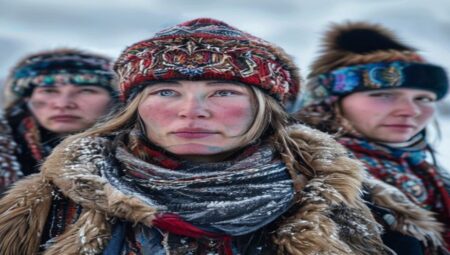
Sami artistic traditions function as living archives of northern history. The duodji craft system encompasses handcrafted tools, clothing, and household items made from reindeer antler, birch root, and woven grasses. Each pattern encodes clan lineage, geographic origin, and social status. The traditional gákti attire utilizes specific color combinations that immediately identify the wearer’s regional dialect and marital status without verbal communication.
The Significance of Joik
Joik operates as a non-linear vocal tradition designed to evoke rather than narrate. Unlike conventional song structures, a joik mimics the essence of its subject—whether a person, animal, landscape, or spiritual concept. Practitioners use throat singing techniques and rhythmic breathing to replicate wind patterns across the tundra or the gait of migrating caribou. This auditory mapping preserves geographical knowledge that written records cannot capture, making joik an essential component of Arctic navigation and cultural continuity.
Modern Challenges and Cultural Preservation
Contemporary Sami communities navigate complex intersections between industrial development and ancestral rights. Mining corporations and wind farm developers frequently propose projects across traditional grazing routes, triggering legal battles over land tenure. The establishment of Sámi parliaments in Norway, Sweden, and Finland provides
Frequently Asked Questions
What is Best Facts About Sami People and Arctic Culture?
The “Best Facts About Sami People and Arctic Culture” refers to the most significant and widely recognized information regarding the indigenous Sami people, their traditional reindeer herding practices, distinctive clothing, joik singing, and their deep connection to the Arctic environment.
Key facts about Best Facts About Sami People and Arctic Culture
Key facts include: the Sami are the only indigenous people in the EU with a recognized language and culture; they inhabit the Arctic regions of Norway, Sweden, Finland, and Russia; they have a rich tradition of reindeer herding; and they face ongoing challenges related to land rights and climate change affecting their traditional way of life.