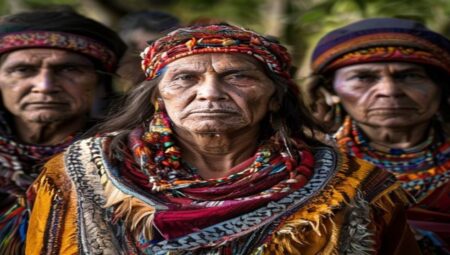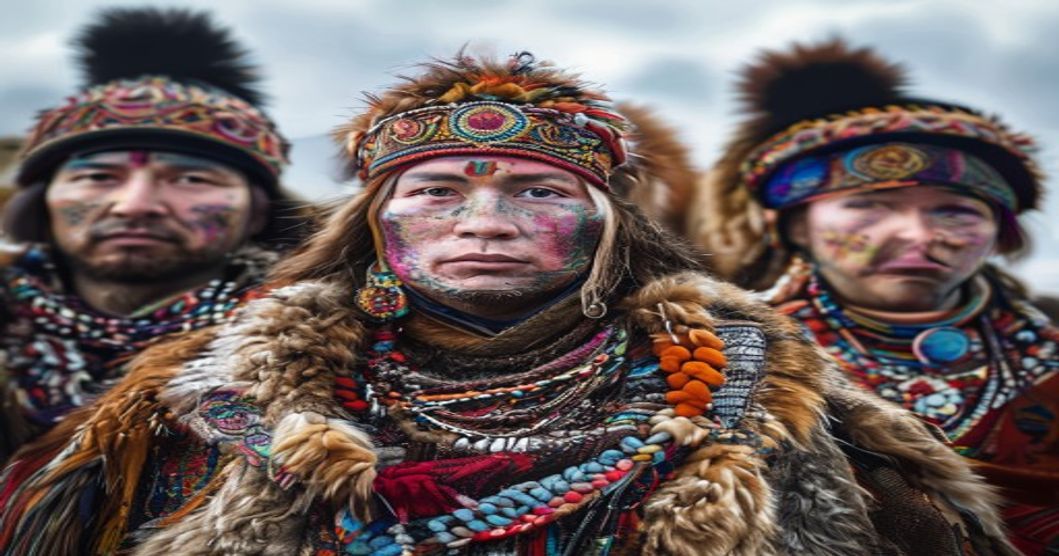
The Diversity of Sami Cultural Expressions: A Comprehensive Guide
The cultural landscape of Sápmi encompasses interconnected systems of livelihood, material production, linguistic variation, and sonic tradition that have evolved through direct interaction with boreal and tundra ecosystems. Reindeer pastoralism dictates seasonal mobility routes, resource management protocols, and intergenerational knowledge transfer. Herders track snow depth, lichen growth cycles, and predator behavior to maintain sustainable grazing patterns across Finnmark, Troms, Nordland, and the Kola Peninsula. This ecological expertise translates into specialized terminology for over two hundred reindeer-related concepts, each distinguishing age, sex, coat pattern, migration phase, and health status.
Duodji represents a functional art form where utility and symbolism merge. Artisans carve tools from antler, shape vessels from birch root, and weave textiles using naturally dyed wool. Regional workshops in Jokkmokk, Karasjok, and Kautokeino maintain distinct geometric motifs that encode territorial boundaries and clan affiliations. The gákti functions as a wearable archive; silver button arrangements, belt widths, and sleeve pleating patterns communicate precise geographic origin and generational continuity. Contemporary Sámi designers reinterpret these silhouettes through sustainable fashion supply chains while preserving traditional cutting techniques.
- Linguistic fragmentation divides Sámi languages into North, West, and East branches, with Ume, Lule, Inari, Skolt, and Southern varieties facing varying degrees of revitalization pressure.
- Joik performance practices rely on microtonal pitch modulation, vocal fry techniques, and environmental mimicry rather than lyrical narrative structures.
- Material sourcing protocols require seasonal timing, ecological balance assessments, and community consent before harvesting birch, reindeer antler, or mountain ash wood.
Modern preservation mechanisms operate through bilingual education frameworks, digital language apps, and sovereign cultural institutions. Sámi television broadcasts, radio programming, and university archives document endangered dialects while supporting youth-led creative projects that merge traditional craftsmanship with contemporary media production. Policy debates regarding land rights, mining permits, and wind farm expansion directly impact the transmission of place-based knowledge. Cultural expressions persist not as museum displays but as active negotiations between historical practice and current socioeconomic conditions.
Historical Foundations of Sámi Heritage
The Sámi people inhabit Fennoscandia, spanning northern Norway, Sweden, Finland, and Russia’s Kola Peninsula. Their historical trajectory predates modern national borders by millennia. Archaeological evidence from sites like Karasjok and Alta reveals continuous habitation dating back over 9,000 years. Early Sámi societies organized around seasonal migration patterns driven by reindeer herding, coastal fishing, and inland hunting. These practices shaped a deeply adaptive cultural framework that responded to Arctic ecological shifts rather than fixed territorial boundaries.
Medieval Scandinavian sagas and Norwegian church records from the 13th century document early interactions between Sámi communities and expanding Nordic kingdoms. Tax registers, missionary accounts, and trade ledgers illustrate how external powers gradually imposed administrative control while simultaneously extracting resources. The Treaty of Strömstad (1751) attempted to formalize grazing rights along newly drawn borders, yet enforcement remained fragmented. Subsequent 18th- and 19th-century assimilation policies systematically suppressed Sámi language use in schools and restricted traditional land management practices.
- Land Allocation Acts (Early 1900s): Prioritized agricultural settlers over nomadic pastoralists, triggering decades of legal disputes over mineral rights and forest usage.
- Alta Dam Controversy (1970s): Mobilized transnational Sámi activism, forcing environmental impact assessments to acknowledge indigenous land tenure.
- Sámi Parliament Establishments: Norway (1989), Sweden (1993), and Finland (1996) formally recognized linguistic rights and co-management of reindeer husbandry.
Despite external pressures, Sámi communities preserved core historical knowledge through oral transmission. Yoik singing functioned as a living archive encoding genealogical records, ecological calendars, and spiritual narratives. Craftsmanship in duodji utilized locally sourced materials like reindeer antler, birch bark, and wolfsbane to produce tools that mirrored functional aesthetics rather than decorative excess. Archaeological surveys continue to uncover settlement patterns that contradict earlier colonial assumptions of a primitive society. Historical archives now integrate Sámi oral testimonies with cartographic data, refining our understanding of pre-colonial trade networks connecting Arctic foragers to Baltic and Russian markets. Contemporary heritage conservation relies on this layered historical record to protect sacred sites, burial grounds, and traditional grazing corridors from industrial development.
Regional Variations Across Sápmi Territories
The Sámi homeland extends across four sovereign territories, generating distinct cultural ecosystems defined by ecological boundaries and historical administration. Northern Norway contains the
Traditional Music and Vocal Arts in Indigenous Communities
The foundation of Sami vocal tradition rests on the joik, a distinctive form of song that operates as an acoustic signature rather than a narrative melody. Unlike conventional Western musical frameworks, a joik does not describe a subject; it embodies the essence of a person, landscape, animal, or ancestral lineage through sustained tonal patterns and microtonal inflections. Vocalists manipulate breath control to generate overlapping harmonics, creating a resonant texture that mirrors the acoustic environment of northern boreal forests, tundra plateaus, and glacial valleys. The technique demands precise laryngeal positioning, allowing singers to produce guttural undertones alongside clear melodic lines without instrumental accompaniment.
Regional variations dictate distinct phonetic structures and rhythmic frameworks across Sami territories. Northern communities emphasize rapid syllabic repetition and percussive consonant strikes, while southern groups utilize longer vocal stretches and modal shifts that reflect historical trade routes and cross-cultural exchanges. Traditional accompaniment relies on handcrafted percussion instruments such as the goavddis drum, played with a leather striker to mark cyclical timekeeping during seasonal migrations. Stringed adaptations arrived later through Scandinavian contact, but indigenous practice remains anchored in unaccompanied vocal delivery.
- Vocal mechanics: singers employ glottal stops, vibrato modulation, and breath-phasing to replicate wind patterns, reindeer movement, and water flow
- Functional contexts: joiks accompany naming ceremonies, healing rituals, hunting preparations, and intergenerational knowledge transfer
- Geographical distinctions: Inari Sami performances feature higher pitch ranges and faster tempo variations compared to Lule Sami modal scales
- Preservation methods: oral transcription, field recordings, and community-led workshops maintain phonetic accuracy without standardized notation
Contemporary practitioners navigate the tension between archival documentation and living transmission. Digital archives store historical performances, yet authenticity depends on continuous practice within seasonal ecological cycles. Vocal training occurs through apprenticeship models where elders demonstrate breath pacing, tonal placement, and rhythmic alignment with natural phenomena. Acoustic mapping remains central to performance ethics, as vocalists adjust resonance chambers based on outdoor temperature, humidity, and terrain composition. Field recordings frequently document how singers modify formant frequencies to maintain clarity across open snowfields versus dense pine canopies. This pedagogical approach ensures that microtonal nuances and contextual improvisations survive beyond static recordings.
The Joik Tradition and Contemporary Adaptations
The Joik, or yoik, represents one of the oldest continuous vocal traditions in Northern Europe, functioning not merely as a musical performance but as a living archive of Sámi identity, geography, and spiritual worldview. Unlike conventional song structures that rely on verse-chorus formats, Joik operates through cyclical melodic motifs that evolve organically around a central tonal center. Historically transmitted orally across generations, this practice encoded ecological knowledge, clan lineages, and seasonal rhythms long before written documentation existed. The vocal technique demands precise control over breath, timbre, and microtonal inflection, allowing singers to mirror the acoustic environment of tundra, boreal forests, or frozen coastlines.
- Traditional Foundations: Joik historically served as a mechanism for spiritual connection rather than entertainment. Performers would often “joik” a specific reindeer, mountain range,
Rhythmic Patterns and Folk Instrumentation
Traditional Sami musical architecture relies on asymmetric rhythmic frameworks that mirror ecological cycles rather than standardized Western metric systems. Performers manipulate fluid tempo shifts, syncopated accents, and overlapping polyrhythms to replicate environmental acoustics including wind shear across plateau terrain, reindeer hoof impacts, or moving glacial water. The goavddis functions as the primary melodic driver. Crafted from spruce and pine with gut or horsehair strings, this four-stringed fiddle utilizes a specialized bowing technique that prioritizes sustained drone resonance over rapid pitch modulation. This approach generates a continuous harmonic foundation that supports complex rhythmic layering during seasonal gatherings.
Essential folk instrumentation extends beyond string work to include the buolvi, a narrow wooden flute traditionally carved from willow or birch. The instrument produces sharp, staccato tones through overblown embouchure techniques, historically utilized for long-distance herding communication and territorial signaling. Percussion elements remain minimal in performance settings due to cultural restrictions surrounding secular drumming. Instead, rhythmic complexity emerges through vocal percussion embedded within joik structures. Performers deploy glottal closure techniques, breath-controlled phrasing intervals, and consonant strikes to generate internal beat subdivisions without auxiliary instruments.
- Non-repeating phrase structures spanning seven to twelve acoustic beats
- Syncopated accent displacement targeting weak metric positions during migration routes
- Layered drone-to-melody ratios adjusted for seasonal acoustic environments
- Call-and-response sequencing replicating reindeer herd movement patterns
Geographic distribution directly shapes instrumental execution. Inari Sami practitioners utilize tight string arrangements with accelerated bow velocity to navigate dense forest acoustics. Skolt Sami ensembles prioritize woodwind harmonics and vocal percussion, adapting techniques for open tundra resonance. Southern Sami groups implement slower rhythmic decay patterns influenced by agricultural settlement histories. Modern ethnomusicological documentation captures these variations through high-resolution field recordings, preserving microtonal tuning systems and rhythmically intricate phrasing that sustain authentic Sami acoustic continuity.
Linguistic Diversity and Oral Storytelling Methods
The Sami linguistic landscape comprises a complex cluster of Uralic languages rather than a single monolithic tongue. Historically spanning across the Arctic regions of Norway, Sweden, Finland, and Russia, these languages divide into three primary branches: Northern, Western, and Eastern. Within these divisions exist distinct varieties such as Northern Sami, Lule Sami, South Sami, Inari Sami, Skolt Sami, Kildin Sami, and Ter Sami. Each variety exhibits unique phonological inventories, tonal accents that function as lexical differentiators, and extensive case systems reaching up to fifteen grammatical cases. The morphology relies heavily on agglutination and vowel harmony, preserving ancient Finno-Ugric roots while absorbing historical loanwords from neighboring Scandinavian and Slavic populations.
- Northern Sami serves as the most widely spoken variety, maintaining robust literary traditions alongside contemporary media production.
- Eastern Sami languages, including Skolt and Kildin, retain archaic consonant gradation patterns lost in Western dialects.
- South Sami demonstrates significant morphological simplification due to centuries of linguistic contact with Nordic settlers.
Oral transmission operates as the primary vessel for cultural continuity. Traditional narratives function as multidimensional archives encoding reindeer migration routes, seasonal weather patterns, medicinal plant identification, and territorial boundaries. Storytellers employ rhythmic cadence, strategic repetition, and tonal modulation to enhance memorization across generations. The duodji and joik traditions intersect with verbal narration, where melodic phrasing mirrors natural landscapes and animal movements. Elders utilize communal gatherings during winter months to deliver accounts of ecological shifts, spiritual encounters at sacred sites, and historical negotiations over land rights. These performances demand precise recall, emotional resonance, and contextual adaptation to audience knowledge levels.
Contemporary revitalization initiatives prioritize recording elder narrators while maintaining the interactive nature of live performance. Educational programs integrate traditional narrative structures into modern curricula without sterilizing their cultural context. Digital archives now store high-fidelity audio recordings alongside annotated transcripts, yet practitioners emphasize that authentic transmission requires face-to-face vocal modeling and communal participation. The survival of Sami linguistic diversity depends on sustaining both the structural complexity of the languages and the embodied practice of oral storytelling within living communities.
Mythology, Sagas, and Knowledge Preservation
The Sami cosmological framework operates as a living archive rather than a static collection of myths. Central to this worldview are the noaidi, spiritual intermediaries who navigated liminal spaces between the human realm and nature spirits. Sacred sites known as sieidi functioned as ritual anchors, where offerings were made to deities like Biejvve (the sun) and Máttár Máhtte (the grandfather of creation). These narratives were never divorced from ecological reality; they encoded seasonal migration routes, predator behaviors, and snow conditions into digestible cultural memory.
Oral transmission remains the primary vessel for mythological continuity. The yoik tradition defies conventional musical classification, functioning instead as a sonic embodiment of a person, place, or animal rather than a description of it. Each yoik carries specific phonetic markers that preserve dialectical nuances and historical events, effectively serving as an auditory library. Elders utilize rhythmic recitation patterns to anchor complex genealogies and land rights claims, ensuring that territorial knowledge survives without written documentation.
- Runic carvings on goavddis (reindeer antler tablets) document hunting grounds and trade agreements across generations.
- Landscape-based storytelling uses topographical features as mnemonic devices for navigation and resource management.
- Seasonal festivals like Jåhkåmåhkke reinforce mythological timelines through synchronized performance and craft demonstration.
Modern preservation initiatives face the dual challenge of digitization and cultural contextualization. While UNESCO recognition has accelerated archival projects, community-led repositories emphasize language revitalization as the non-negotiable foundation for mythological survival. Contemporary Sami scholars integrate traditional ecological knowledge with genomic mapping and climate data to adapt ancestral narratives to rapidly shifting Arctic conditions. Digital archives now collaborate with indigenous linguists to tag mythological texts with geo-spatial metadata, preventing the fragmentation of sacred narratives. Educational programs in Sami-speaking municipalities prioritize intergenerational mentorship, recognizing that algorithmic preservation cannot replace embodied learning.
Visual Arts and Handicraft Traditions
Sami visual arts and handicraft traditions function as living archives of Arctic survival strategies, ecological knowledge, and spiritual cosmology. Central to this practice is a formally recognized regional craft designation that governs material sourcing, tool usage, and decorative motifs across Scandinavia. Artisans harvest reindeer leather, spruce roots, birch bark, antler, and wool, transforming each medium through techniques refined over centuries of nomadic and semi-nomadic lifeways. The ceremonial garment operates beyond basic apparel; its regional color blocks, embroidery patterns, and silver button placements encode clan lineage, marital status, and geographic origin. Silverwork relies on repoussé and granulation methods inherited from Baltic-Finnic and Russian trade networks, while bone and antler carving demands precise thermal shaping and micro-chiseling to produce functional yet ornamental objects like knife sheaths and needle cases.
Textile production centers on wool felting and warp-faced weaving, where natural dyes yield deep reds from bilberry leaves, yellows from lichen, and blacks from iron-rich soil. Patterns frequently incorporate geometric diamonds, zigzags, and spiral forms that map celestial navigation routes and reindeer migration corridors. Regional distinctions remain strict:
- Inari communities favor bold red-and-black contrasts with minimal silver ornamentation.
- Skolt communities emphasize intricate chainmail silverwork and cross-stitch embroidery.
- Southern communities utilize heavy wool felting with curved horn motifs and copper wire detailing.
Contemporary practitioners navigate commercial markets while adhering to authenticity standards enforced by regional cultural councils and national crafts associations. Digital documentation projects now archive over twelve thousand traditional specimen records, yet oral transmission of dye extraction temperatures, hide-tanning sequences, and tool tempering techniques continues through apprenticeship models. Modern exhibitions integrate laser-cut patterns with traditional reindeer hair appliqué, demonstrating how algorithmic pattern recognition and ancestral textile logic converge without diluting cultural provenance.
Gákti Clothing and Symbolic Color Codes
The traditional Gákti functions as a complex visual language rather than mere attire. Within Sami communities, the precise arrangement of textile bands and dyed wool immediately communicates geographic origin, clan affiliation, and social standing. Color selection follows strict regional protocols that have persisted for centuries. Each hue carries documented meanings tied to the natural environment, spiritual cosmology, and historical migration patterns. The interplay between base fabric tones and embroidered borders creates a recognizable identity marker that required extensive field observation to decode accurately.
Primary color applications rely on natural dyes originally extracted from local flora. The specific symbolic weight of each shade operates through established cultural syntax:
- Deep Blue: Represents the Arctic sky and winter seas, primarily worn by northern coastal communities to denote maritime heritage.
- Birch bark basketry utilizes steam-bending techniques that prevent cracking during rapid temperature shifts common in high-latitude climates
- Reindeer antler carving employs bone-awl piercing methods to create seamless joints for knife handles and harness components
- Silver belt buckles feature documented regional variations that map historical migration patterns across Sápmi territories
- Digital Distribution Networks: Independent streaming channels and open-access repositories host thousands of hours of archived joik recordings, dialect dictionaries, and seasonal grazing maps shared directly by community elders.
- Fashion & Craft Revival: Sustainable design brands partner with master duodji artisans to produce certified authentic textiles, implementing strict intellectual property protocols that prevent cultural appropriation while ensuring fair trade compensation.
- Literature & Translation Initiatives: Contemporary Sámi authors publish bilingual and trilingual works addressing climate displacement, political sovereignty, and intergenerational trauma, with university presses and independent distributors expanding global readership across Europe and North America.
- Digital Activism Infrastructure: Cross-jurisdictional networks coordinate synchronized campaigns using encrypted communication tools and open-source geographic mapping to document ancestral routes and protect sacred landscapes from extractive development.
- Indigenous film festivals in Tromsø and Inari screen works that bypass commercial distribution networks
- Literary prizes specifically fund translations between Sámi languages and Scandinavian tongues
- Digital repositories utilize IIIF standards for high-resolution manuscript comparison across institutions
- Community-led digitization projects prioritize consent protocols over institutional extraction
- Festival Integration: Major cultural events in Tromsø, Rovaniemi, Kiruna, and Helsinki feature curated Sámi pavilions that connect nomadic heritage with modern performance arts, documentary screenings, and interactive workshops.
- Artistic Partnerships: Collaborative residencies between Sámi creators and contemporary artists from Maori, Navajo, and Aboriginal communities foster structured knowledge exchange on land stewardship, oral storytelling methodologies, and sustainable material sourcing.
- Digital Documentation: International museum networks and independent archives digitize rare joik recordings, textile patterns, and drum instruments, creating open-access repositories that support academic research, language revitalization, and global cultural education.
- Digital archives maintain open-access databases of historical photographs, textile patterns, and seasonal migration routes, accessible through municipal libraries and regional cultural offices.
- Cross-border collaboration between Sámi Parliament councils in Norway, Sweden, Finland, and Russia standardizes terminology and supports joint documentation grants for endangered dialects.
- Youth mentorship programs pair traditional practitioners with students from urban centers, facilitating hands-on training in bow-making, gákti weaving, and outdoor survival techniques.
- Cross-border Sámi parliaments coordinate policy alignment using UNESCO guidelines as a baseline for cultural autonomy and resource allocation.
- Regional funding mechanisms support digital archiving, language immersion programs, and intergenerational apprenticeship networks across Arctic territories.
- Litigation strategies increasingly reference international human rights law to contest unauthorized commercialization of traditional motifs and sacred sites.
- The integration of traditional ecological knowledge into climate resilience workshops demonstrates how cultural practices directly inform modern sustainability strategies.
- Digital documentation protocols follow community-driven consent frameworks, ensuring that sensitive ceremonial content remains protected while academic research expands.
- Collaborative residencies between Sami artists and international media producers generate standardized metadata for global archives without compromising indigenous intellectual property rights.
Duodji Craftsmanship and Functional Artistry
Duodji represents the foundational intersection of utility and aesthetic tradition within Sami communities. Historically developed for survival in subarctic environments, these handcrafted objects functioned as essential tools rather than decorative items. The process begins with material selection that reflects deep ecological knowledge. Artisans harvest birch wood during specific seasonal cycles when lignin content optimizes flexibility. Reindeer antler provides structural durability for cutting implements, while cured hides undergo traditional tanning methods involving brain and lichen extracts to achieve water-resistant properties. Silverwork follows precise repoussé and stamping techniques passed through generational apprenticeship networks.
Contemporary practitioners maintain strict adherence to ancestral tools including drawknives, bone awls, and hand-forged chisels. Modern adaptations prioritize sustainable sourcing while preserving the tactile precision required for seamless joint construction in basketry and knife sheaths. Educational institutions now integrate duodji pedagogy into cultural preservation curricula, emphasizing muscle memory development alongside historical context analysis. Regional cooperatives coordinate seasonal material harvesting to prevent ecological strain while maintaining consistent quality standards across generations.
Market demand continues expanding within heritage tourism sectors where consumers prioritize provenance documentation and maker attribution over commercial branding. Certification programs verify authentic handcrafting methods against machine-made reproductions that lack structural integrity. The economic framework surrounding duodji operates through direct artisan networks rather than mass production channels, ensuring each piece retains its documented functional lineage. Artisans calculate stitch tension using standardized thread counts that determine garment durability during extended reindeer herding expeditions. Traditional needlework patterns encode ecological data regarding seasonal migration routes, predator sightings, and grazing zone boundaries. These encoded systems function as practical navigation aids alongside aesthetic expression.
Contemporary Cultural Movements and Global Reach
Sámi cultural expressions have evolved significantly through structured grassroots initiatives and cross-border collaborations that transcend the Arctic boundaries of Sápmi. Artists, musicians, and writers now leverage digital platforms to distribute joik performances, duodji craftsmanship tutorials, and traditional textile patterns directly to international audiences. This decentralized approach bypasses traditional gatekeepers, allowing authentic voices to shape global narratives about indigenous resilience. Streaming services, social media algorithms, and niche cultural archives have amplified visibility, turning localized practices into accessible resources for researchers, educators, and diaspora communities worldwide.
Formal recognition has accelerated through curated exhibitions at major European museums, biennial art events, and UNESCO intangible heritage programs. Contemporary Sámi creators routinely participate in global indigenous forums, where they exchange preservation strategies while adapting ancestral techniques to modern mediums. Major cultural gatherings such as the Sámi Art Festival and Kautokeino poetry competitions now attract international participants, fostering cross-pollination between Arctic traditions and urban contemporary art scenes. These events operate as diplomatic platforms where language revitalization projects, land rights advocacy, and ecological knowledge are presented alongside visual and performing arts.
Sámi Cinema, Literature, and Digital Archiving
The emergence of contemporary Sámi cinema has fundamentally reshaped how indigenous narratives reach global audiences. Filmmakers from the Sápmi region now utilize documentary and narrative formats to document ancestral land claims, linguistic survival, and the tension between traditional reindeer herding and modern industrial development. Directors like Mikkel Gaup and Amanda Kernell have produced award-winning works that center Sámi perspectives without external mediation. These films operate as visual archives, capturing dialects, drum-making techniques, and joik vocal traditions that face marginalization in mainstream Scandinavian media.
Parallel to cinematic growth, Sámi literature has transitioned from oral transmission to a robust written canon. Early translations of the Bible and missionary texts laid groundwork, but post-1970s publications catalyzed a literary renaissance. Authors such as Nils-Aslak Valkeapää and Silja Magga weave mythological frameworks with political activism, addressing colonization impacts and land rights. Contemporary writers publish across North Sámi, Lule Sámi, and South Sámi, often using bilingual editions to bridge academic research and community readership. Literary festivals in Karasjok and Kárášjohka now serve as distribution hubs for independent presses focused on indigenous storytelling.
Digital archiving initiatives have accelerated preservation efforts across both mediums. Institutions like the Sámi University of Applied Sciences and the Norwegian Sámi Parliamentary Council host digitized collections featuring manuscript scans, audio recordings, and film reels. Machine learning models now assist in transcribing historical joik performances and mapping dialectal variations. Open-access repositories allow diaspora communities to access genealogical records and cultural artifacts previously restricted to physical archives. These platforms integrate metadata standards compatible with international library systems while maintaining community-controlled governance protocols.
International Festivals and Cross-Cultural Collaborations
The global reach of Sámi cultural expressions has expanded significantly through structured participation in international festivals and strategic cross-cultural partnerships. Events such as the Sámi Grand Prix, Arctic Music Festival, and Nordic heritage exhibitions provide dedicated platforms where traditional joik singing, duodji craftsmanship, and reindeer-herding rituals are presented alongside contemporary artistic interpretations. These festivals function as vital cultural exchanges, allowing Sámi performers to engage with international audiences while maintaining strict adherence to ancestral protocols regarding sacred music and land-based knowledge transmission.
Cross-cultural collaborations have become a primary driver of cultural preservation and creative innovation. Sámi musicians routinely partner with jazz ensembles, electronic producers, and classical orchestras across Scandinavia, Europe, and North America. Projects like joint recordings between Sámi vocalists and Inuit throat singers demonstrate how shared indigenous experiences can shape new musical frameworks without diluting traditional techniques or linguistic integrity. Fashion designers frequently incorporate authentic duodji motifs into sustainable apparel lines, working directly with Sámi artisans to ensure proper attribution, cultural licensing, and equitable revenue distribution.
Economic and educational outcomes from these initiatives extend beyond visibility. Revenue generated through festival ticket sales, limited-edition craft releases, and streaming platforms directly funds Sámi youth programs, language immersion schools, and artisan cooperatives. Academic institutions across Europe now include Sámi aesthetic principles in design curricula, while documentary filmmakers incorporate traditional drum dance choreography into projects that tour international independent cinema circuits. The sustained presence of Sámi creators on global stages reinforces indigenous sovereignty through creative autonomy, legal copyright frameworks, and direct community control over cultural assets.
Preservation Strategies and Educational Initiatives
The preservation of Sámi cultural expressions relies on structured institutional frameworks and grassroots documentation efforts that prioritize community agency over external archiving. Language revitalization remains the foundational pillar, with immersion programs operating across Tromsø, Finnmark, and Trøndelag regions. These initiatives utilize the “language nest” methodology, where fluent elders conduct daily activities exclusively in North, South, or Lule Sámi dialects. Parallel to linguistic work, material culture preservation focuses on duodji craftsmanship, reindeer husbandry practices, and traditional dwelling construction. Regional heritage centers employ 3D scanning and acoustic mapping to record yoik performances, ensuring phonetic accuracy and contextual meaning are retained for future reference.
Educational integration operates through three coordinated channels: primary school curricula, higher education research, and public broadcasting networks. Nordic governments have embedded Sámi history, ecology, and artistic traditions into national standards, requiring teachers to complete accredited cultural competency modules. Universities such as the Sámi University of Applied Sciences and UiT The Arctic University of Norway host dedicated departments that publish peer-reviewed studies on indigenous knowledge systems, land rights, and sustainable resource management. These academic outputs directly inform policy adjustments regarding grazing lands and digital media representation.
Media production serves as a critical transmission mechanism. Sámi-language television broadcasts, podcast networks, and independent music distribution channels bypass mainstream algorithms to deliver authentic narratives directly to target demographics. Streaming platforms now feature curated playlists that separate contemporary yoik fusion from historical field recordings, preventing cultural dilution through algorithmic recommendation engines. Educational institutions partner with these media producers to create supplementary teaching materials, ensuring classroom instruction aligns with current artistic developments and documented oral histories.
UNESCO Recognition and Indigenous Rights Frameworks
The inscription of Sami cultural practices within UNESCO’s Representative List of the Intangible Cultural Heritage of Humanity fundamentally altered how Nordic governments approach indigenous preservation. When Yoik was inscribed in 2017, the designation triggered mandatory safeguarding action plans across Norway, Sweden, and Finland. This process moves beyond archival documentation, requiring active transmission networks, certified master practitioners, and community-led curriculum development. Parallel inscriptions for traditional reindeer husbandry knowledge and turf house construction techniques established legal precedents that treat cultural expressions as living systems rather than historical artifacts.
International frameworks amplify these protections through binding diplomatic instruments. Article 31 of the United Nations Declaration on the Rights of Indigenous Peoples guarantees Sami communities control over their cultural heritage, traditional knowledge, and intellectual property. This provision directly challenges Western copyright models that historically fragmented communal ownership into individual patents. The International Labour Organization Convention No. 169 further strengthens this position by mandating state consultation before any legislative or administrative measures affect indigenous lands where cultural practices occur.
Implementation requires continuous monitoring through indigenous-led assessment protocols. Cultural institutions now deploy ethnographic databases that track practitioner demographics, transmission success rates, and threat indicators such as climate shift impacts on reindeer grazing routes. Educational ministries in Sápmi regions integrate these frameworks into standardized curricula, ensuring language acquisition runs parallel to historical documentation. Digital preservation initiatives utilize acoustic mapping to capture vocal techniques without extracting them from their ecological context.
Youth Engagement and Sustainable Cultural Transmission
Sami youth are actively reshaping cultural preservation through digital platforms and community-led initiatives. Traditional knowledge once passed orally across generations now intersects with modern pedagogical frameworks. Universities in northern Norway, Sweden, and Finland integrate joik singing, duodji craftsmanship, and reindeer husbandry practices into accredited curricula. Digital storytelling projects allow young creators to document seasonal migration routes while embedding linguistic markers in Sami dialects. Mobile applications developed by indigenous tech collectives translate historical field recordings into interactive learning modules.
School networks across Sápmi implement peer-to-peer mentoring where elders co-teach with university students specializing in ethnomusicology and environmental science. This dual approach prevents knowledge fragmentation and aligns cultural transmission with contemporary youth communication patterns. Funding mechanisms prioritize open-source archives that remain accessible beyond institutional boundaries. Youth-led festivals utilize augmented reality to map ancestral grazing lands, transforming historical geography into participatory educational experiences.
Youth councils coordinate seasonal knowledge exchanges that synchronize agricultural calendars with digital publishing schedules. These structured interventions maintain linguistic vitality while adapting transmission methods to mobile-first consumption habits. The systematic documentation of dialectal variations through voice recognition databases supports automated translation tools optimized for academic and administrative contexts. Cultural sustainability ultimately depends on aligning traditional pedagogy with youth-driven technological literacy, creating feedback loops where preservation efforts continuously evolve alongside generational shifts in communication preferences.
Local cooperatives distribute hardware kits containing recording equipment and encrypted storage drives to remote communities, reducing dependency on external research institutions. Curriculum developers embed joik notation systems into digital composition software, enabling students to analyze melodic structures while learning historical phonetics. Interdisciplinary research centers track transmission efficacy by monitoring dialect retention rates across age cohorts, adjusting pedagogical models accordingly. Community governance boards oversee data sovereignty protocols, ensuring that all archived materials remain under indigenous jurisdiction despite widespread digital distribution.
Frequently Asked Questions
What is The Diversity of Sami Cultural Expressions?
The Diversity of Sami Cultural Expressions refers to the rich and varied artistic, linguistic, musical, and traditional practices of the Sámi people, indigenous to northern Scandinavia and Russia. This includes traditions like joik singing, duodji (handicrafts), reindeer herding culture, gákti (traditional clothing), and oral storytelling, which collectively preserve their unique heritage despite historical challenges.
Key facts about The Diversity of Sami Cultural Expressions
Key facts include: the Sámi language belongs to the Uralic family with several distinct dialects; joik is a traditional form of singing recognized by UNESCO; duodji craftsmanship uses local materials like reindeer antler and birch wood; gákti costumes vary significantly by region to indicate clan and marital status; and contemporary Sámi artists continue to blend traditional motifs with modern media, ensuring cultural resilience.