The Origins and Cultural Significance of Gákti
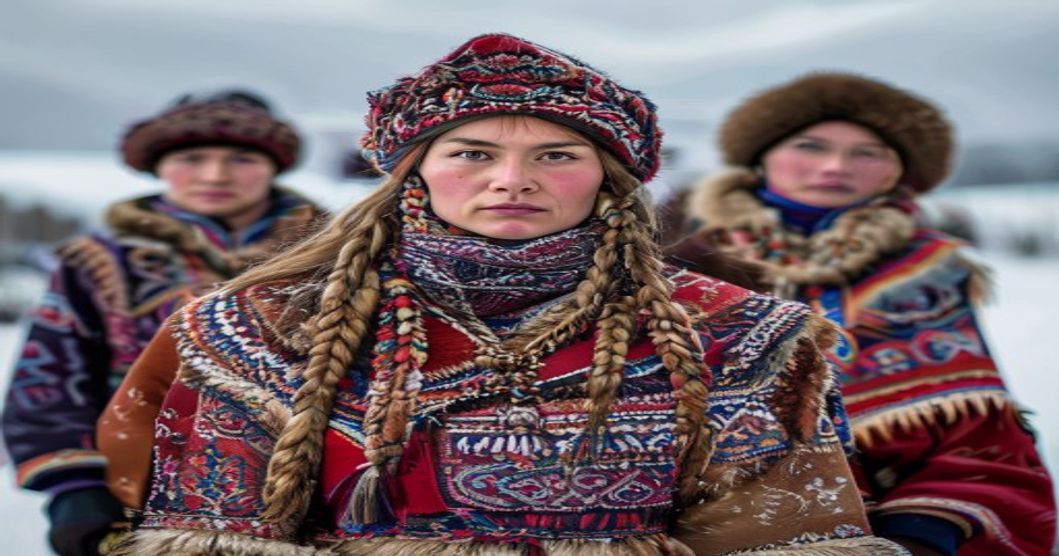
The Sámi traditional clothing, widely recognized as the Gákti, represents one of the most distinctive and historically rich textile traditions in Northern Europe. Originally developed by the indigenous Sámi people across the Arctic regions of Norway, Sweden, Finland, and Russia, this garment functioned as both a practical survival tool and a profound marker of identity. Crafted from reindeer hides, wool, and linen, the Gákti was engineered to withstand extreme subarctic temperatures while allowing maximum mobility for reindeer herding, fishing, and hunting. Beyond its utilitarian purpose, the attire served as a silent language, communicating the wearer’s clan affiliation, geographic origin, marital status, and social standing without the need for spoken words.
Regional Variations and Tribal Identity
Sámi culture is not monolithic; it comprises numerous distinct groups, each preserving unique sartorial traditions that reflect their specific environment and historical isolation. The North Sámi Gákti typically features a blue tunic with red diamond-shaped motifs, while the South Sámi version incorporates heavier woolen fabrics and broader color palettes influenced by neighboring Scandinavian cultures. Skolt Sámi attire is renowned for its elaborate cross-stitch embroidery and bright yellow accents, whereas Inari Sámi garments emphasize deep blues and silver-thread detailing. These regional distinctions were not arbitrary; they functioned as visual census data, allowing Sámi communities to identify kinship networks, negotiate trade alliances, and maintain territorial boundaries across the vast Lapland landscape.
The Art of Fabric and Construction
Traditional Gákti construction relies on meticulously prepared natural materials processed through generations of inherited techniques. Reindeer leather undergoes a labor-intensive tanning process involving brain curing, stretching, and smoking to achieve water resistance and flexibility. Wool is spun by hand, dyed using indigenous botanicals like lichen, berries, and roots, then woven on vertical looms into dense, windproof fabric. The garment’s layered structure includes a base tunic, an outer apron or skirt, and a distinctive peaked cap or wide-brimmed hat secured with a leather strap. Metal buttons, often handmade from
Frequently Asked Questions
What is Traditional Sami Clothing Explained?
Traditional Sami clothing, commonly known as “gákti,” is the authentic cultural attire of the Sámi people, indigenous to the northern regions of Norway, Sweden, Finland, and Russia. It is characterized by bold geometric patterns, specific regional color palettes, and functional designs suited for the Arctic climate. The garments are traditionally crafted from reindeer leather and wool, adorned with silver buttons, ribbons, and embroidery that signify the wearer’s village, social status, and marital status.
Key facts about Traditional Sami Clothing Explained
Traditional Sami clothing is deeply rooted in the Sámi’s reindeer-herding heritage and Arctic environment. Key facts include: it utilizes natural materials like reindeer skin, wool, and hand-spun thread; regional variations in cut and color denote specific Sámi groups (e.g., Lule Sámi vs. South Sámi); blue, red, yellow, and green are traditional colors with symbolic meanings; the clothing remains a living tradition worn during festivals, rites of passage, and daily life to preserve Sámi identity; and modern designers continue to incorporate traditional motifs into contemporary fashion.