Historical Context and Core Cosmological Framework
The spiritual architecture of the Sámi people rests on a deeply animistic worldview where every mountain, river, stone, and forest holds conscious agency. Traditional Sámi rituals emerged from centuries of adaptation to Arctic ecosystems, framing human existence as interwoven with invisible forces that govern weather, animal migration, and communal fortune. Unlike organized religious systems, these practices functioned as localized knowledge networks passed through oral transmission, ensuring ecological balance and spiritual continuity across generations.
The Noaidi and Spiritual Mediation
At the center of Sámi shamanism stands the noaidi, a specialized mediator trained to navigate between the visible world and multiple spirit realms. The noaidi did not claim divine authority but served as a cultural technician, utilizing drum patterns, rhythmic chanting, and structured breathwork to access altered states. Training typically began in adolescence under elder guidance, emphasizing dream analysis, animal tracking, and ethical responsibility toward community well-being.
Sieidi and Sacred Landscapes
Sacred geography formed the physical anchor of Sámi rituals. A sieidi referred to a spiritually charged rock formation, tree root system, or natural outcrop believed to house ancestral spirits or protective entities. Communities conducted seasonal offerings of reindeer antlers, copper blades, and dried fish at these sites to maintain reciprocal relationships with the land. Archaeological surveys across Finnmark, Tromsø, and Lapland confirm sieidi networks aligning with ancient migration corridors and hunting grounds.
Ritual Practices and Shamanic Journeying Techniques
The execution of Sámi rituals followed precise cosmological protocols designed to synchronize human intention with environmental rhythms. Ritual specialists employed structured drumming sequences, vocal toning, and controlled fasting to initiate journeying phases. These practices were never performed for entertainment but strictly regulated through taboos, seasonal restrictions, and communal oversight.
The Goavddis Drum in Divination
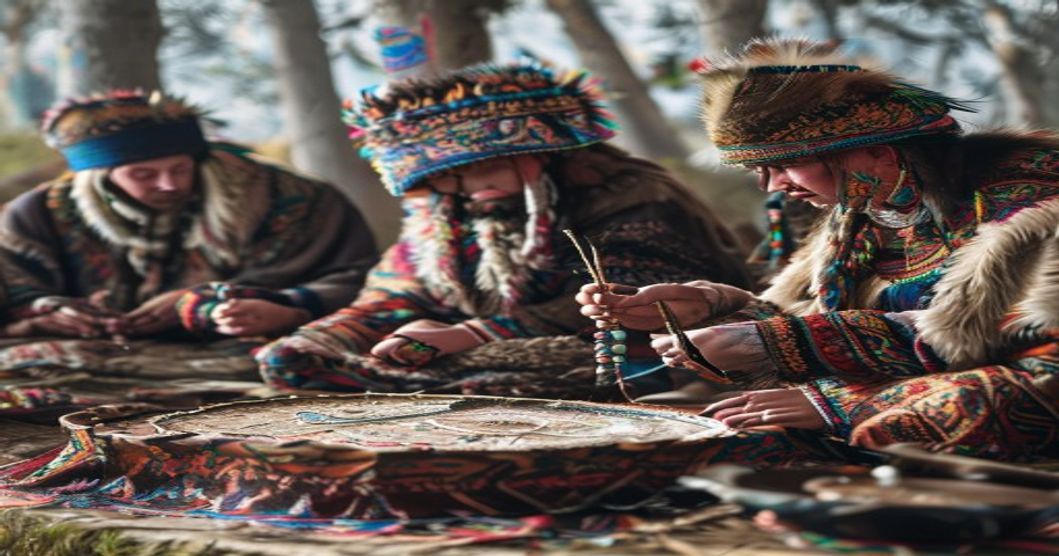
The goavddis drum functioned as both navigational instrument and cosmological map. Crafted from reindeer hide stretched over a carved wooden frame, the surface displayed painted symbols representing celestial bodies, spirit territories, and ecological zones. Practitioners interpreted drum strikes through standardized reading systems, tracking where divination pendants landed to decode messages regarding hunting success, illness origins, or weather shifts.
Trance States and Spirit Guides
Entering visionary states required meticulous preparation involving dietary restrictions, isolation periods, and rhythmic auditory stimulation. Within these Sámi shamanic journey frameworks, practitioners cultivated relationships with spirit helpers manifested as wolves, eagles, bears, or elk. These guides facilitated healing interventions, soul retrieval sequences, and directional navigation through non-ordinary realities.
Nature, Animal Symbolism, and Ecological Integration
Sámi spiritual practices operated as applied ecology, translating environmental observation into ritual action. The reindeer occupied central cosmological importance, functioning as both livelihood foundation and spiritual compass. Seasonal transhumance routes doubled as pilgrimage pathways where specific trees received bark carvings and mistletoe offerings.
Reindeer as Spiritual Anchors
Reindeer anatomy directly informed ritual object construction, from drum frames to sacrificial vessels. The animal’s migratory patterns dictated ceremonial calendars, with spring calving seasons triggering renewal rites and autumn slaughter periods invoking gratitude ceremonies. Ethical harvesting protocols ensured population sustainability while maintaining spiritual reciprocity.
Seasonal Cycles and Ritual Timing
Ritual activation followed astronomical markers rather than fixed calendar dates. Solstice transitions, aurora borealis visibility peaks, and ice breakup sequences triggered specialized ceremonies. Communities synchronized drumming intensities with lunar phases, believing celestial alignments amplified spirit communication and divination accuracy.
Cultural Preservation and Contemporary Interpretation
Systematic religious conversion campaigns between the seventeenth and nineteenth centuries suppressed open practice, forcing Sámi rituals underground or into coded folk traditions. Despite colonial erasure efforts, oral archives, museum artifacts, and linguistic records preserved core methodologies.
Colonial Suppression and Cultural Resilience
State-sponsored missionary policies criminalized drum usage and sieidi veneration, resulting in widespread artifact confiscation. Indigenous communities adapted by embedding spiritual concepts within agricultural folklore, textile patterns, and vocal music traditions. This adaptive resistance maintained cosmological frameworks across generations.
Contemporary Sámi Shamanic Revival
Understanding Traditional Sami Ceremonies and Rituals
Traditional Sami spiritual practice operates outside institutional dogma. The framework relies on direct interaction with the landscape. Animism dictates that every rock, river, and tree holds agency. Rituals function as maintenance tools for ecological balance rather than worship exercises.
The Sámi worldview rejects linear time. Events repeat through seasonal feedback loops. Practitioners track these cycles using lunar markers and reindeer migration patterns. Ceremonies activate when ecological thresholds shift. The goal remains survival equilibrium and spiritual alignment.
Core Beliefs and the Sami Cosmology
The cosmos splits into three distinct layers. Bajddu houses the upper sky deities. Eana contains the human and animal realm. Aibu holds the underworld forces. Stalli stones serve as vertical portals between these zones. Practitioners navigate these layers through trance induction and breath control.
Deities operate through hábme spirits. These entities manage weather, game populations, and human health. Sijdda ancestors guard family lineages and hunting grounds. Offerings require blood reciprocity rather than material wealth. The seid stones mark permanent contact points for these exchanges.
The Role of the Noaidi in Ritual Practice
The noaidi functions as a licensed spiritual intermediary. Training spans years of apprenticeship and dream incubation. The practitioner enters altered states to retrieve lost souls or track stolen game. Drum rhythms synchronize with heart rate variability to sustain the trance. The noaidi never claims divine authority. The role demands strict ethical accountability.
Healing involves soul fragmentation diagnosis. Trauma, illness, or bad luck stem from spirit displacement. The noaidi performs journeying rituals to locate displaced fragments. Reintegration requires drum strikes and specific yoik frequencies. The process restores biopsychosocial stability for the patient.
Sami Drum: Structure, Symbolism, and Usage
The goavddis drum serves as a cosmological map. Reindeer hide stretches over a birch burl base. The surface displays pigment symbols representing deities, animals, and compass points. Iron or bone markers strike specific zones to activate meanings. The drum operates as a divination instrument rather than a musical tool.
Markings vary by regional dialect and family lineage. The central circle denotes the sun. Compass lines map the four cardinal directions. Spiral patterns indicate underworld pathways. Practitioners read marker placement to forecast hunting success or weather shifts. Drum construction follows strict taboos regarding wood selection and tanning.
Yoik: Sound, Spirit, and Identity
Juoigan functions as a sonic fingerprint. The practice evokes a person, place, or animal without describing it. Vocal techniques include throat singing, melismatic runs, and rhythmic breathing. The yoik creates a resonant field that mirrors the subject’s essence. It serves as a spiritual anchor during ceremonies. The sound bridges the human and natural realms.
Yoik types divide into personal, place, and animal categories. Personal yoiks require explicit consent from the subject. Place yoiks activate territorial memory and ancestral presence. Animal yoiks facilitate hunting empathy. The performance demands vocal precision and emotional restraint. Commercialization dilutes the ritual potency of the practice.
Regional Variations Across Sami Territories
Geographic distribution shapes ritual diversity. The Norwegian coast emphasizes marine deities and boat blessings. Swedish mountains prioritize reindeer husbandry and weather magic. Finnish forests focus on foraging rites and trapping cycles. Russian Kola practices survive through clandestine networks. Each zone adapts to local ecological pressures.
Dialect variations alter drum symbolism and yoik syntax. Coastal practitioners use maritime terminology in rituals. Mountain groups employ lunar calendars for herd management. Forest communities track berry ripening through seasonal markers. Russian Sami retain pre-Christian syncretism due to historical isolation. Adaptation ensures cultural resilience across borders.
Coastal Sami Marine Rituals
Fiskesámi communities perform sea-focused ceremonies. The båatsoige requires blood anointing before launch. Salmon sieidi stones receive fat offerings for migration success. Rituals align with tidal cycles and fish runs. The noaidi mediates between marine spirits and fishermen. Survival depends on ecological reciprocity.
Maritime drums feature fish symbols and wave patterns. Coastal yoiks mimic seabird calls and water currents. The sjøsamisk tradition honors underwater deities. Offerings include whale fat and cod liver. Rituals occur during equinoxes and full moons. The practice reinforces community cohesion and resource management.
Mountain Sami Reindeer Herding Rites
Fjellsame practitioners manage high-altitude sieidi sites. The boazovázzi routes require weather divination. The gierde staff channels storm energy during migrations. Goahti structures undergo insulation rituals before winter. Ráhpoe fasting tests spiritual endurance. Herding success hinges on ancestral approval and ecological balance.
Mountain drums display reindeer antlers and avalanche symbols. Highland yoiks use extended ranges to communicate across valleys. The noaidi tracks herd movements through drum divination. Offerings consist of reindeer fat and lichen. Rituals align with calving seasons and autumn slaughters. The practice sustains nomadic livelihoods and territorial rights.
Forest Sami Hunting and Foraging Traditions
Skogssame communities perform forest-centric rites. The bákti trapping sites require blood offerings. Čáhci water sources undergo purification cycles. Duodji tools receive consecration prayers. The noaidi locates game tracks through trance states. Survival relies on hunting ethics and resource respect.
Forest drums feature predator symbols and tree rings. Woodland yoiks imitate bird songs and wind patterns. The goahti serves as a ritual space for tool blessing. Offerings include berries, nuts, and game meat. Rituals coincide with berry harvests and autumn migrations. The tradition preserves forest knowledge and ecological stewardship.
Suppression, Colonization, and Cultural Revival
Historical trauma stems from state assimilation policies. The Svenska lapplovet restricted Sami land use. The fiskeloven marginalized coastal livelihoods. Mission schools enforced religious conversion. Language bans disrupted ritual transmission. Cultural survival required clandestine practice and oral preservation.
Revival efforts emerged in the late 20th century. The Alta controversy galvanized political mobilization. The Sámediggi established self-governance structures. Cultural centers reopened drum workshops and yoik archives. UNESCO recognition validated living heritage status. The movement prioritizes indigenous sovereignty and ecological justice.
Missionary Bans and Assimilation Policies
The Lappkodexen imposed taxation burdens Traditional Sami ceremonies and rituals are indigenous spiritual and cultural practices of the Sami people, who inhabit the northern regions of Norway, Sweden, Finland, and Russia. These ceremonies often involve drumming, joik singing, reindeer herding traditions, and seasonal festivals that honor nature, ancestors, and the changing cycles of the Arctic environment. Key facts include their deep connection to nature and the Arctic ecosystem, the central role of the noaidi (shaman) or modern cultural practitioners, the use of traditional drums (goavddis) for divination and storytelling, the practice of joik (a unique form of chanting), and their historical suppression followed by a modern cultural revival and recognition as UNESCO intangible cultural heritage.Frequently Asked Questions
What is Traditional Sami Ceremonies and Rituals?
Key facts about Traditional Sami Ceremonies and Rituals