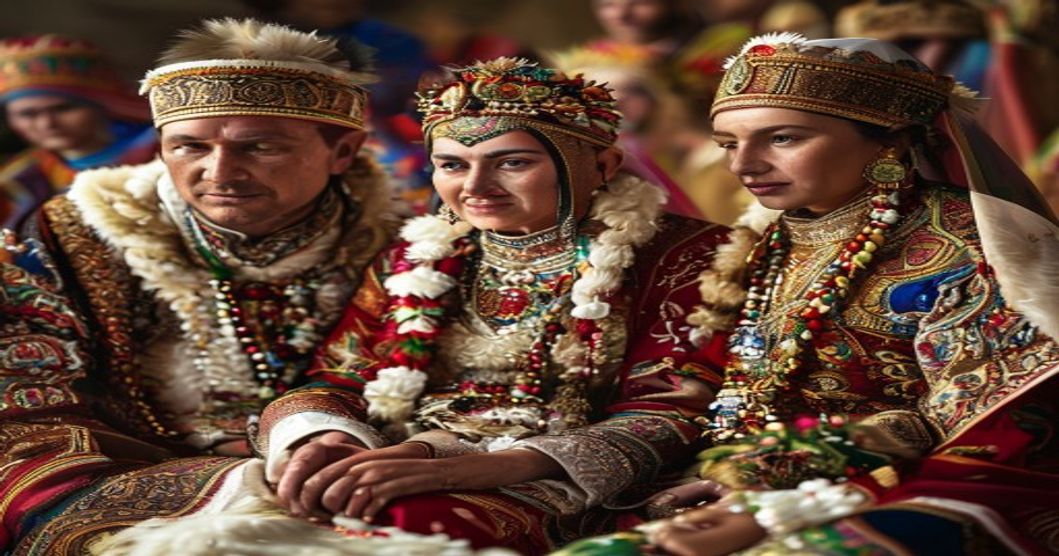
Sami Wedding Traditions and Customs
Marriage functions as the primary mechanism for kinship expansion and territorial continuity within Sámi communities. The ceremony bridges individual commitment with collective responsibility. Elders dictate the timeline based on seasonal cycles and herd movements. These events operate outside standard municipal frameworks and follow ancestral protocols.
The union establishes new resource sharing networks across distant grazing grounds. Families negotiate land access, fishing rights, and trade routes simultaneously with the wedding vows. Spiritual protection remains central to the contractual agreement. The community witnesses the pact to ensure long-term accountability.
Historical records show these practices survived centuries of assimilation policies through deliberate secrecy. Oral transmission replaced written documentation when external authorities banned indigenous rites. Modern practitioners reconstruct the framework using archived field notes and elder interviews. The structure remains intact despite geographic displacement.
Historical Framework and Cultural Significance
Pre-colonial alliances relied on reciprocal marriage pacts to prevent inter-clan warfare. Chiefs exchanged daughters to secure passage through mountain passes and river valleys. These unions functioned as diplomatic treaties before modern borders existed. The practice established trade corridors that lasted generations.
Land tenure dictated marriage eligibility more than personal preference. A prospective spouse required proven herding success or hunting capability. Communities rejected unions that threatened resource distribution. The institution prioritized economic survival over romantic idealism.
Christian missionary campaigns attempted to replace these customs with European marriage laws. Indigenous leaders disguised traditional rites within church ceremonies to preserve core elements. Sieidi stones continued receiving offerings beneath altar floors. The syncretic approach ensured cultural continuity through administrative compliance.
Pre-Wedding Negotiations and Family Alliances
The borrowing phase begins with a formal request from the groom’s family to the bride’s luohttasa. Elders evaluate the groom’s herd size, winter storage capacity, and tool inventory. The bride’s family counters with demands for silver brooches and reindeer hides. Negotiations last until both sides accept the exchange ratio.
Gift exchanges occur in staged increments rather than single transactions. Initial offerings include smoked meat and birch baskets. Subsequent payments involve winter clothing and fishing nets. Each stage triggers a public feast to validate the agreement. Breaking a payment schedule triggers immediate alliance dissolution.
Legal contracts rarely document these terms. Verbal agreements backed by witness testimony hold binding authority. Communities enforce compliance through social isolation and trade exclusion. The system prevents economic exploitation while maintaining family honor. Modern couples still honor these sequences during engagement ceremonies.
Traditional Gákti Selection and Symbolic Colors
The gákti identifies regional origin through precise cut and trim. Northern styles feature wide collars and heavy wool. Southern variations utilize lighter linen and simpler geometry. The garment functions as a visual passport during ceremonies. Wearing the wrong pattern signals disrespect to local ancestors.
Color symbolism dictates mourning, celebration, and mourning transitions. Red represents bloodlines and life force. Yellow mirrors sunlight and reindeer antler growth. Blue reflects glacial water and spiritual clarity. These pigments derive from natural dyes prepared months in advance.
Embroidery patterns encode clan history and marital status. Married women wear specific silver brooches that pin the garment securely. Unmarried participants wear distinct buckle arrangements. The attire transforms personal identity into collective representation. Modern tailors replicate these designs using synthetic fibers while preserving traditional cuts.
Ceremonial Joik and Oral Blessings
The joik establishes spiritual boundaries around the wedding space. Performers sing ancestral names to invite protective spirits. The melody follows topographic features rather than musical scales. Listeners recognize specific mountains and rivers through vocal modulation.
Elders deliver oral blessings that map future prosperity onto the couple. They recite historical precedents of successful unions in the same valley. The language shifts between standard Sámi and archaic dialects. This linguistic layering connects contemporary participants to pre-colonial eras.
Music continues throughout the feast without interruption. Drum rhythms synchronize breathing patterns across the gathering. Participants enter trance states to receive guidance. The performance ends only when the first meal is served. Silence follows the final note to seal the blessing.
Regional Variations Across Sápmi
Coastal Sámi communities integrate boat processions into wedding routes. Fishermen transport the couple along fjords rather than over mountains. Reindeer herders prioritize cross-country sleds for inland ceremonies. These transport methods reflect local ecological adaptations.
Inland groups emphasize reindeer integration during the arrival sequence. The groom presents a decorated bull to the bride’s family. The animal’s antlers receive painted geometric patterns. This offering demonstrates herding competence and future provisioning ability.
Border regions blend Nordic legal requirements with indigenous customs. Couples register civilly before conducting traditional rites. Municipal officials often attend as honored guests. The dual approach satisfies state documentation while preserving cultural integrity. Geographic isolation allows purer ritual preservation in remote areas.
Post-Ceremony Observances and Community Roles
The feast transitions into a gift distribution phase that solidifies new alliances. Host families allocate reindeer meat and handmade tools to attending clans. Recipients must publicly acknowledge the generosity through song. This exchange prevents future resource conflicts between allied families.
Elders oversee the social integration of the couple into their respective communities. They assign household duties based on seasonal workloads. The bride joins winter herding rotations while the groom manages spring calving grounds. These assignments ensure economic stability for the new unit.
Long-term obligations extend beyond the wedding day. Allied families share emergency resources during blizzards or disease outbreaks. Disputes between the couple require mediation by original negotiating elders. The institution functions as a continuous social contract rather than a single event.
Feast Dynamics and Gift Distribution
Food preparation involves communal labor spanning three days. Women smoke reindeer meat and bake flatbread over open fires. Men construct temporary dining structures using birch poles and reindeer hides. The layout follows cardinal directions to align with spiritual beliefs.
Guests receive tiered portions based on familial distance. Close relatives receive prime cuts and silver utensils. Distant kin receive dried meat and wooden bowls. The distribution hierarchy reinforces existing social structures while incorporating new members. Refusing a portion triggers immediate social sanction.
Leftover food undergoes ritual disposal rather than storage. Remains scatter onto sacred ground to feed ancestral spirits. This practice prevents waste and maintains spiritual hygiene. Modern hosts adapt by donating excess to community pantries while preserving symbolic scattering.
Sámi Hospitality Codes and Elder Blessings
Hosts enforce strict hospitality codes that prohibit guest refusal. Refusing food or drink signals permanent alliance rejection. The couple must consume offerings from both families simultaneously. This act demonstrates equal commitment to both lineages.
Elders deliver conditional blessings tied to future behavior. They warn against greed, isolation, or neglect of herd welfare. The warnings function as behavioral guidelines rather than superstition. Violating these terms triggers community intervention and potential divorce proceedings.
Drinking rituals follow rotational sharing patterns. Participants sip from a single horn passed clockwise. The horn contains fermented reindeer milk or birch beer. Sharing reinforces kinship bonds and equal status among attendees. Empty horns signal immediate replenishment by younger participants.
Long-Term Community Obligations and Land Stewardship
Allied families share grazing rights during seasonal migrations. The bride’s clan gains access to winter pastures previously restricted to the groom’s territory. This exchange expands resource access without territorial conflict. The agreement remains binding until formal dissolution.
Dispute resolution relies on mediated councils rather than legal courts. Elders review historical precedents and resource records. They issue rulings that prioritize community stability over individual preference. The couple accepts the verdict to maintain social standing.
Annual renewal ceremonies reinforce the original pact. Families gather on the wedding anniversary to share food and recount alliances. Younger generations learn negotiation tactics through observation. The tradition ensures continuity across demographic shifts and urbanization.
Traditional Feast Preparation and Food Symbolism
Chefs prioritize smoked reindeer meat as the primary protein source. The smoking process uses juniper branches to impart preservation qualities. Meat hangs in ventilated sheds for weeks before consumption. This technique reflects historical survival strategies in harsh climates.
Bidos serves as the ceremonial beverage alongside fermented milk. The schnapps derives from birch sap and reindeer blood in older recipes. Modern versions substitute sugar and grain while maintaining the name. The drink symbolizes shared hardship and resilience.
Flatbread preparation involves stone grinding of reindeer fat and berries. The dough requires precise hydration levels to survive open-fire baking. Bakers rotate the bread continuously to prevent burning. The resulting texture indicates skill level and preparation quality.
Gift Exchange Protocols and Duodji Craftsmanship
Duodji functions as both art and economic currency during exchanges. Artisans create items specifically for wedding allocations. The craftsmanship demonstrates technical mastery and cultural knowledge. Receiving duodji signifies respect for the creator’s lineage.
Silver brooches dominate female gift lists alongside knife hilts. Makers stamp clan symbols onto the metal to verify authenticity. The weight of the silver correlates with family wealth. Recipients wear these items permanently to display alliance status.
Antler carvings require years of practice to master. Artisans select straight reindeer tines for structural integrity. Engraving patterns follow geometric rules tied to spiritual beliefs. Tools pass through generations alongside the skills required to wield them.
Modern Implementation and Cultural Preservation
Contemporary couples navigate hybrid frameworks that merge civil registration with indigenous rites. Municipal requirements demand standardized documentation. Traditionalists insist on preserving core ritual elements. The compromise involves conducting legal proceedings separately from spiritual ceremonies.
Youth movements drive digital documentation of disappearing practices. Participants record elder interviews and map historical sites. Online archives store audio files and pattern templates. This preservation strategy bypasses geographic isolation and accelerates knowledge transfer.
Educational institutions increasingly incorporate indigenous marriage law into curricula. Universities partner with Sámi parliaments to validate research. Policy shifts recognize traditional unions alongside civil marriages. The legal landscape gradually accommodates cultural specificity.
Contemporary Sami Wedding Traditions and Customs
Urban couples adapt hybrid ceremonies to fit apartment constraints. They relocate traditional elements to community centers or rented halls. Reindeer integration becomes symbolic rather than literal. The core rituals remain intact despite spatial limitations.
Rural practitioners maintain full ecological integration of the wedding. Herds participate in processions. Foraged ingredients replace purchased supplies. The ceremony functions as a seasonal marker rather than a standalone event.
Social media documentation sparks debates over cultural appropriation. Communities restrict access to sensitive ritual footage. Public posts focus on clothing and food rather than spiritual components. This selective sharing protects sacred knowledge while promoting awareness.
Legal Framework and Indigenous Marriage Recognition
Nordic marriage laws require civil registration for legal validity. Couples must file paperwork with municipal authorities before or after traditional rites. The state ignores indigenous ceremonies for property distribution. This gap creates legal vulnerabilities for unregistered unions.
Sá
Frequently Asked Questions
What is Sami Wedding Traditions and Customs?
Sami wedding traditions and customs refer to the unique cultural practices, rituals, and ceremonies observed by the indigenous Sami people during marriage celebrations, often featuring traditional music, reindeer herding symbolism, folk costumes (gákti), and communal feasting.
Key facts about Sami Wedding Traditions and Customs
Key facts include the central role of the gákti (traditional attire), the use of the joik (traditional song) to bless the couple, community-centered celebrations lasting several days, and the symbolic exchange of gifts like reindeer antlers or handmade jewelry, all reflecting the Sami’s deep connection to nature and ancestral heritage.