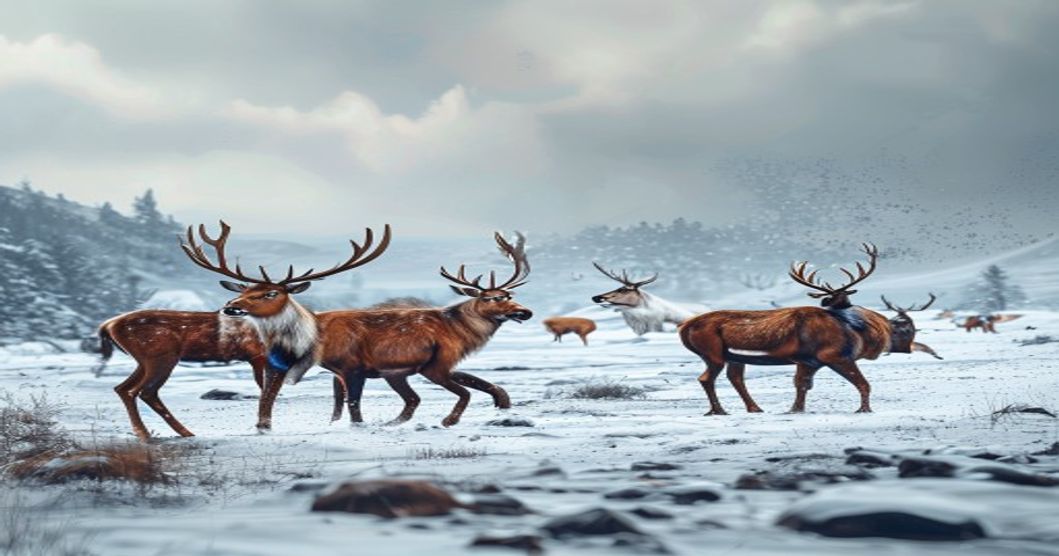
The Historical Foundations of Sami Reindeer Migration
The Sami people, indigenous to the Arctic regions of Norway, Sweden, Finland, and Russia, have practiced reindeer migration for centuries as a cornerstone of their survival. This nomadic tradition is not merely a seasonal movement but a sophisticated system of ecological management passed down through generations.
Origins and Seasonal Rhythms
Historical records and archaeological evidence indicate that Sami reindeer herding evolved from wild hunting practices around the 16th century, gradually transitioning into managed pastoralism. The migration cycle is strictly governed by seasonal shifts: summer pastures in coastal or mountainous areas provide nutrient-rich forage, while winter grounds are located in sheltered boreal forests where lichen remains accessible beneath snow cover.
Traditional Migration Corridors
Each Sami community, known as a siida, maintains exclusive rights to specific migration routes. These corridors span hundreds of kilometers, featuring carefully marked waypoints, grazing zones, and calving grounds. The routes are adapted to topographical features, avoiding steep terrain and ensuring safe passage for both humans and herds.
Cultural Practices Embedded in the Journey
Reindeer migration is deeply interwoven with Sami identity, language, and material culture. Every aspect of the journey reflects a holistic worldview that prioritizes balance between human activity and natural systems.
Knowledge Transmission and Livelihood Strategies
Traditional ecological knowledge (TEK) forms the backbone of Sami pastoralism. Herders monitor animal behavior, weather patterns, and vegetation cycles to make real-time decisions. Skills such as saddle crafting, lasso weaving, and meat preservation are taught through apprenticeship, ensuring continuity of indigenous livelihood practices.
Spiritual Connections to the Landscape
The Sami worldview recognizes sacred sites (seiets) along migration paths where rituals, drum ceremonies, and offerings honor nature spirits. These spiritual geographies dictate land use restrictions, effectively functioning as informal conservation zones that protect biodiversity and prevent overgrazing.
Ecological Adaptation and Environmental Management
Sami reindeer herding operates as a low-impact agro-pastoral system that enhances landscape resilience. Modern ecology increasingly validates traditional grazing methods for their role in carbon sequestration and habitat maintenance.
Sustainable Grazing Patterns
Rotational grazing allows vegetation recovery periods, reducing soil compaction and promoting lichen regeneration. Herds act as natural ecosystem engineers, clearing snow cover to expose forage for other species while distributing nutrients through dung deposition.
Climate Change and Modern Disruptions
Rising temperatures have disrupted traditional migration timing, causing ice layers (rain-on-snow events) that block lichen access. Infrastructure development, including wind farms and logging roads, fragments historic corridors, forcing herders to adapt routes while maintaining herd welfare.
Contemporary Preservation and Legal Frameworks
Legal recognition of Sami land rights remains a critical factor in sustaining traditional nomadic life. International frameworks and national policies increasingly intersect with indigenous governance models to protect migration autonomy.
Indigenous Rights and Land Governance
The 1989 ILO Convention No. 169 and subsequent Supreme Court rulings in Scandinavian countries have affirmed Sami hunting, fishing, and herding rights. Despite progress, conflicting resource extraction permits continue to challenge territorial sovereignty.
Cultural Revitalization Initiatives
Youth programs, digital mapping projects, and cross-border siida cooperatives are strengthening intergenerational knowledge transfer. Educational curricula now incorporate Sami migration history, fostering cultural pride while equipping new herders with hybrid management techniques.
Reindeer Migration and Sami Life FAQ
What is Reindeer Migration and Sami Life?
Reindeer migration and Sámi life refer to the traditional nomadic lifestyle of the Sámi people, indigenous to northern Fennoscandia, who herd reindeer across seasonal pastures. This ancient practice involves following the reindeer’s natural migratory routes to find food and breeding grounds, deeply intertwined with Sámi culture, language, and sustainable land management.
Key facts about Reindeer Migration and Sami Life
Key facts include: reindeer migrations can span hundreds of kilometers annually; the Sámi have managed these herds for over 3,000 years; migration routes are dictated by weather, terrain, and lichen availability; and modern Sámi reindeer herding is protected by international indigenous rights frameworks despite challenges from climate change and land development.