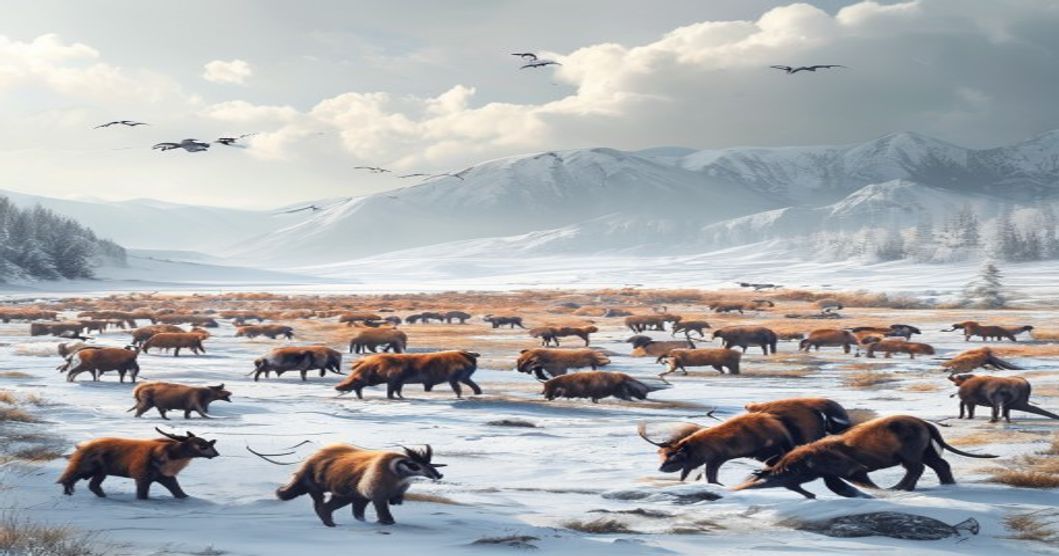
The Ecological Foundations of Sami Seasonal Migration
The Sami seasonal migration system represents one of the most sophisticated forms of nomadic reindeer herding in the Arctic, driven by centuries of adaptation to Fennoscandian climatic cycles. This transhumance pattern relies on precise ecological timing, where reindeer move between distinct biomes to optimize nutritional intake and minimize physiological stress. The migration corridor spans across boreal forests, subarctic tundra, and coastal zones, creating a dynamic reindeer culture that is inseparable from landscape ecology.
Winter Pastures and Forest Grazing Zones
During the harsh winter months, reindeer herds transition into dense boreal forests where snow depth is moderated by tree canopy cover. These winter pastures are critical because reindeer rely exclusively on ground lichen (Cladonia spp.) and shrub browse during this period. Strong wind exposure in open tundra areas can freeze lichen beneath ice crusts, making forested valleys and leeward slopes essential survival zones. Herders monitor snowpack density and wind drift patterns to position camps near natural shelter corridors, ensuring minimal energy expenditure for both animals and handlers.
Summer Pastures and Coastal Tundra Ranges
As temperatures rise in late spring, herds move toward exposed summer pastures characterized by lush grasses, sedges, and aromatic herbs. These high-altitude and coastal grazing grounds provide essential protein and minerals required for antler growth, milk production, and parasite resistance. The coastal migration routes also offer relief from summer biting insects, which can cause severe weight loss and reproductive failure if reindeer are forced to remain in stagnant forest pools. Calving grounds are strategically placed on elevated ridges with well-drained soils and early snowmelt, maximizing neonatal survival rates.
Mapping the Traditional Reindeer Migration Corridors
The traditional routes of Sámi reindeer herding were not fixed paths but flexible networks shaped by topography, historical grazing rights, and intergenerational landscape knowledge. These corridors connected lowland wintering areas with highland summering zones, crossing river systems, mountain passes, and plateau ecosystems. Modern GPS telemetry has validated the precision of these historical pathways, revealing that indigenous mobility patterns consistently align with optimal forage distribution and microclimatic refuges.
Cross-Border Movement Patterns in Fennoscandia
Historically, Sámi herding districts operated across what are now international borders between Norway, Sweden, Finland, and Russia. These transboundary migration routes required coordinated seasonal planning, shared grazing agreements, and diplomatic negotiations over pasture access. The dissolution of political boundaries in the twentieth century fragmented traditional corridors, forcing herders to adapt through shortened loops or state-sanctioned seasonal permits. Contemporary conservation initiatives increasingly recognize these cross-border ecological linkages as essential for genetic diversity and herd resilience.
Landscape Navigation and Wayfinding Techniques
Before modern mapping technologies, Sámi herders navigated using a sophisticated system of environmental indicators. Natural landmarks such as glacial erratics, permafrost thaw slumps, and specific birch growth forms served as directional markers. Snow conditions, particularly wind-packed sastrugi and meltwater channels, dictated daily movement decisions. Herders also interpreted reindeer behavior, including resting postures and grazing frequency, to assess pasture quality and anticipate weather shifts. This traditional knowledge remains embedded in place names, oral histories, and seasonal calendars.
Cultural and Economic Dimensions of Reindeer Culture
Reindeer culture functions as both an economic engine and a cultural anchor for Sámi communities. Herding provides direct income through meat, hides, antler products, and dairy, while simultaneously sustaining Sámi duodji (traditional handicrafts) that require authentic raw materials. The economic model is non-extractive by design; herders maintain herd sizes below ecological carrying capacity to prevent pasture degradation, ensuring long-term sustainability over short-term yield.
Livestock Management and Herding Strategies
The annual herding cycle revolves around the gieldda (roundup), where dispersed families converge to sort animals by age, sex, and ownership. This gathering facilitates veterinary interventions, breeding selection, and market preparation. Modern herders integrate satellite monitoring, drone surveillance, and digital registration systems with traditional herding dogs and snowmobiles. Despite technological adoption, core strategies remain unchanged: continuous observation, adaptive pacing, and maintaining close physical proximity between handlers and livestock.
Intergenerational Knowledge Transfer and Sámi Identity
Sámi identity is deeply intertwined with reindeer herding practices that encode language, spirituality, and social organization. Elders transmit migration timing, animal health diagnostics, and seasonal forecasting through lived experience rather than formal instruction. Youth engagement programs focus on practical herding skills, lichen identification, and traditional navigation to counteract cultural erosion. This indigenous knowledge transmission ensures that reindeer culture evolves without severing its ecological roots.
Contemporary Pressures on Traditional Routes
Modern development and climatic shifts are rapidly altering the viability of Sami seasonal migration. Infrastructure expansion, resource extraction, and regulatory fragmentation directly compete with historical grazing corridors. Herders face mounting pressure to justify land use through economic metrics rather than ecological or cultural value systems.
Infrastructure Fragmentation and Habitat Loss
Railway lines, logging roads, and renewable energy installations frequently bisect established migration routes. Wind farms on highland plateaus disrupt reindeer movement by introducing noise pollution, human activity, and ground disturbance during sensitive calving periods. Road networks increase vehicle-wildlife collisions and facilitate illegal hunting, while also preventing natural snow accumulation that protects winter forage. These physical barriers force herders to expend additional labor rerouting animals or abandoning historically reliable pastures.
Legal Frameworks and Indigenous Land Rights
Land tenure disputes center on whether grazing rights constitute property ownership or usage permits. Sámi Parliament representatives negotiate co-management agreements with state forestry agencies, mineral boards, and energy corporations. International instruments such as ILO Convention 169 and UNDRIP provide legal leverage, but implementation varies across jurisdictions. Successful preservation of traditional reindeer routes depends on legally recognized migration easements, mandatory environmental impact assessments for infrastructure projects, and inclusive decision-making processes that center Sámi ecological expertise.
Frequently Asked Questions
What is Sami Seasonal Migration Patterns?
The Sami seasonal migration patterns refer to the traditional transhumance routes followed by the Sami people across northern Scandinavia and Russia. Historically, these migrations were driven by the need to move reindeer herds between summer pastures in the mountains and winter pastures in the coastal or forested lowlands to ensure optimal grazing conditions and survival.
Key facts about Sami Seasonal Migration Patterns?
Key facts include: (1) Migrations typically occur twice a year, following established reindeer routes passed down through generations. (2) The patterns are deeply intertwined with Sami culture, spirituality, and sustainable reindeer herding practices. (3) Modern border crossings between Norway, Sweden, and Finland, along with climate change and land-use restrictions, have significantly impacted these traditional migration routes.