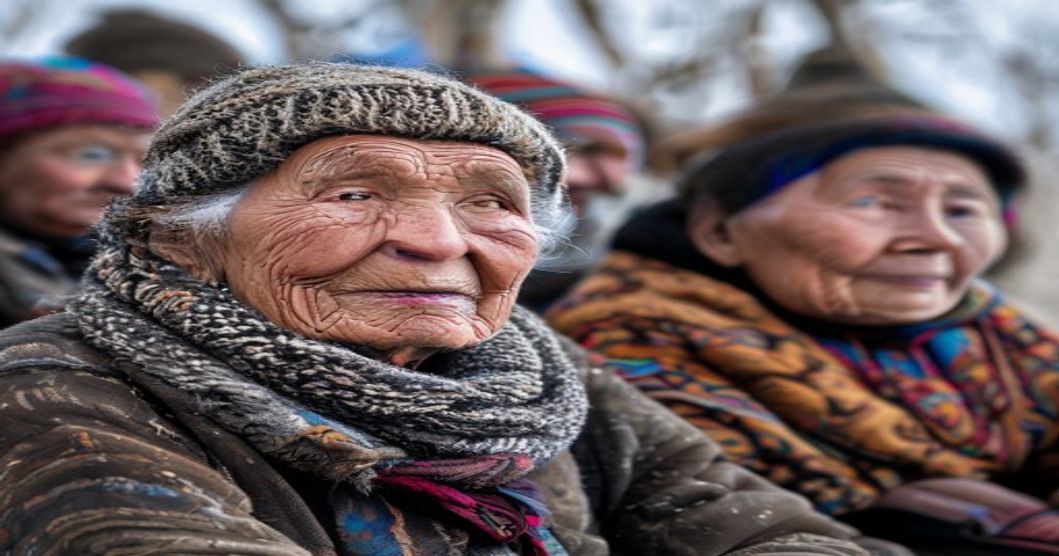
The Importance of Elders in Sami Communities
Elders serve as the foundational pillars of Sami social structures, functioning as living archives of ancestral wisdom and communal continuity. Their authority stems not from institutional titles but from decades of lived experience across generational cycles. Within traditional Sami settlements, elders guide daily operations through implicit consensus rather than formal mandates. They interpret seasonal shifts, track reindeer migration patterns, and maintain oral histories that predate written documentation. This knowledge transmission occurs primarily through direct apprenticeship, where younger members observe herding techniques, craft construction methods, and ecological indicators long before engaging in independent practice.
The cultural ecosystem of Sami communities relies heavily on elder-led instruction to preserve linguistic integrity and spiritual frameworks. Joik performance, a vocal tradition encoding genealogical data and territorial memory, requires precise pedagogical guidance that only seasoned practitioners can provide. Elders also mediate resource allocation during harsh winters, resolve land-use disputes among neighboring clans, and coordinate collective responses to environmental changes. Their decisions reflect deep ecological literacy developed through repeated observation of permafrost degradation, vegetation cycles, and wildlife behavior. This practical wisdom directly informs modern conservation strategies applied across northern territories.
- Overseeing language revitalization programs that integrate dialectal variations into school curricula
- Advising municipal councils on sustainable grazing boundaries and infrastructure development
- Validating ceremonial protocols during major seasonal festivals such as Siida gatherings
- Mentoring youth through structured mentorship initiatives focused on traditional craftsmanship
Modern pressures from industrial expansion and climate disruption have intensified the strategic value of elder knowledge. Communities now formalize advisory roles through cultural councils that interface with regional governments and environmental agencies. Elder representatives contribute to policy drafting, ensuring that indigenous ecological metrics remain central to land management frameworks. Their participation bridges historical continuity with adaptive governance, demonstrating how ancestral expertise directly shapes sustainable development models across circumpolar regions.
Historical Foundations of Sami Elder Leadership
The historical framework of Sami elder leadership emerges from centuries-old social structures designed for collective survival across Arctic and sub-Arctic environments. Traditional governance operated through the siida system, a decentralized network of kinship-based communities where decision-making relied on consensus rather than hierarchical authority. Within this structure, elders—often recognized as knowledge keepers or experienced reindeer herders—held decisive influence due to their mastery of migration patterns, ecological indicators, and seasonal resource allocation. Their authority was not inherited through lineage alone but earned through demonstrated competence, spiritual insight, and proven conflict resolution skills. Oral transmission formed the backbone of historical continuity, with elders serving as living archives who memorized genealogies, treaty agreements, and customary laws governing land use and hunting rights.
During periods of external colonization and state assimilation policies throughout the 18th and 19th centuries, elder leadership functioned as a mechanism of cultural preservation. They facilitated community gatherings to maintain language fluency, sustain traditional livelihoods, and negotiate with administrative authorities while safeguarding indigenous territorial claims. The goahti operated as both a domestic space and an informal council chamber where elders interpreted environmental shifts, mediated disputes, and guided youth through apprenticeship models tied to seasonal rhythms. Historical records from missionary accounts and colonial surveys inadvertently document how elder networks maintained autonomy despite legal restrictions on indigenous governance. Their leadership model emphasized reciprocity, ecological balance, and intergenerational accountability—principles that continue to inform contemporary Sami political movements and land rights advocacy.
Customary regulations dictated that elders held jurisdiction over resource disputes, marriage arrangements, and spiritual matters requiring specialized knowledge of duodji craftsmanship and seasonal calendars. Colonial administrations frequently attempted to replace traditional authority with appointed chiefs or religious intermediaries, yet elder networks adapted by operating within legal gray areas and maintaining parallel decision-making structures. The transition from nomadic pastoralism to settled communities in the early 20th century did not diminish elder influence; instead, it shifted their role toward documenting customary law, advising municipal councils, and establishing cultural schools that formalized intergenerational knowledge transfer. Archival documents from regional archives reveal how elder mediation prevented land fragmentation during state-sponsored resettlement programs.
Legal precedents established by elder councils in the late 19th century created informal but binding frameworks for resource sharing during famine years and migration disruptions. These frameworks operated alongside emerging national legislation, allowing communities to maintain autonomy while navigating state bureaucracy. The continuity of this historical model demonstrates how indigenous governance structures adapted to external pressures without sacrificing core ecological and social principles.
Cultural Knowledge Transmission Through Generational Wisdom
Sami elders function as living repositories of ecological, linguistic, and spiritual heritage. Their daily practices transmit survival skills across generations without relying on written documentation. Reindeer migration routes are mapped through oral narratives that encode seasonal weather patterns, pasture quality, and predator behavior. These stories operate as dynamic geographic databases, continuously updated by collective memory and practical experience. Language preservation follows an identical transmission model. Joik performances carry grammatical structures, historical references, and ecological observations within melodic frameworks. Children acquire phonetic nuances and syntactic rules through repetition during communal gatherings rather than formal classroom instruction. Craft techniques like duodji woodworking and gákti textile dyeing depend on the same pedagogical approach. Elders demonstrate material preparation, tool handling, and aesthetic principles while explaining the symbolic meaning behind each pattern. This hands-on methodology ensures technical precision and cultural context remain inseparable.
Community resilience relies directly on this continuous knowledge flow. When elders share hunting strategies or snow-reading techniques, they distribute risk management protocols that adapt to climate variability. The transmission process simultaneously reinforces social cohesion. Knowledge exchange occurs during shared labor, meals, and ceremonial events, embedding learning within relational networks rather than institutional frameworks. This organic structure maintains cultural continuity despite external socioeconomic pressures. Modern documentation efforts supplement but cannot replace direct mentorship. Digital archives capture artifacts and recordings, yet they lack the interactive feedback loop essential for skill mastery. The elder-student relationship requires real-time correction, contextual adaptation, and emotional investment that technology cannot replicate.
- Ecological Adaptation: Traditional land-use knowledge enables communities to navigate shifting Arctic conditions while maintaining sustainable resource management.
- Linguistic Vitality: Oral transmission preserves dialectal variations and contextual vocabulary that standard textbooks fail to capture.
- Social Cohesion: Intergenerational dialogue strengthens community identity and reduces cultural fragmentation caused by urbanization.
Preserving this transmission mechanism remains critical for cultural survival. Communities that maintain active intergenerational dialogue sustain linguistic vitality, ecological adaptability, and identity cohesion. Those experiencing disruption in knowledge flow face accelerated erosion of traditional practices. The mechanism functions as both educational system and cultural immune response, filtering external influences while preserving core values.
Oral History Preservation Techniques in Lapland
Traditional knowledge transmission among the Sámi relies heavily on structured oral methodologies rather than written documentation. Elders serve as living archives, utilizing rhythmic chanting, narrative sequencing, and contextual storytelling to encode ecological, navigational, and cultural data. The yoik tradition functions as a mnemonic framework, where melodic patterns anchor specific events, geographical markers, and seasonal transitions. Community gatherings during winter months provide optimal conditions for knowledge exchange, as extended periods of indoor proximity facilitate uninterrupted recitation cycles.
- Mnemonic Anchoring: Melodic structures preserve complex information through repeated tonal sequences that trigger precise recall across generations.
- Contextual Layering: Narratives integrate topographical references, weather patterns, and reindeer behavior to maintain ecological accuracy.
- Spatial Documentation: Performances occur at historically significant locations, embedding territorial knowledge directly into the landscape.
Preservation efforts employ systematic recording protocols that prioritize acoustic fidelity and contextual metadata. Field researchers collaborate with knowledge holders to capture performances in natural environments, ensuring that ambient sounds and spatial relationships remain intact. Digital repositories now integrate geotagged audio files with linguistic annotations, allowing younger generations to access authentic pronunciations and dialectal variations across regions like Finnmark, Troms, and Nordland. Educational institutions have developed curriculum modules that pair traditional narration techniques with modern archival science, creating hybrid preservation models.
- Acoustic Fidelity Standards: High-resolution field recorders capture full frequency ranges of vocal techniques without electronic processing.
- Dialectal Mapping: Linguistic databases track phonetic shifts across municipalities to maintain regional authenticity.
- Ceremonial Timing Protocols: Documentation schedules align with traditional seasonal cycles to preserve contextual integrity.
Intergenerational mentorship programs operate through structured apprenticeship frameworks where learners observe, imitate, and eventually lead recitation sessions. These initiatives emphasize dialectal accuracy, seasonal timing, and appropriate ceremonial contexts to prevent cultural dilution. Community-led documentation projects utilize participatory mapping techniques, overlaying oral narratives onto historical land-use patterns to visualize territorial knowledge systems. The integration of indigenous data sovereignty principles ensures that preservation workflows respect intellectual property rights defined by Sámi governance structures.
Technical preservation strategies include spectral analysis of vocal techniques, phonetic transcription databases, and cross-referencing with historical reindeer migration records. Conservation teams maintain climate-controlled storage for analog recordings while implementing blockchain verification for digital assets to guarantee provenance tracking. Continuous monitoring of dialect vitality metrics informs adaptive preservation strategies that respond to environmental shifts affecting traditional storytelling venues.
Sami Language Revitalization Led by Community Elders
The resurgence of Sami languages has fundamentally depended on the active participation of community elders, who serve as the primary architects of linguistic recovery. Decades of assimilation policies systematically disrupted intergenerational language transfer, leaving many dialects critically endangered. Elders retained fluency in these languages alongside intricate cultural frameworks that standard educational curricula could never replicate. Their authority stems from lived experience within traditional livelihoods such as reindeer herding, coastal fishing, and seasonal migration patterns. When elders initiate teaching programs, they do not merely transmit vocabulary; they restore the cognitive maps embedded within each grammatical structure and lexical choice.
Elder-led revitalization operates through multiple interconnected channels. Oral storytelling sessions preserve archaic verb conjugations and dialect-specific phonetics that written records often miss. Elders document traditional place names, which encode generations of environmental observation and resource management strategies. These toponyms function as living ecological databases, guiding sustainable land use and wildlife tracking. Community workshops facilitated by senior members focus on practical language application rather than theoretical grammar. Participants learn terminology related to snow conditions, animal behavior, textile weaving, and tool crafting through direct demonstration and guided practice.
- Intergenerational mentorship programs pair fluent elders with children and teenagers for daily immersion exercises.
- Digital archiving projects capture audio recordings of elder narratives, ensuring permanent preservation of dialectal variations.
- Local language councils advise municipal authorities on bilingual signage, school curricula, and public service materials.
The integration of elder knowledge into contemporary educational frameworks requires deliberate structural support. Funding allocations must prioritize community-driven methodologies over standardized language acquisition models. Youth engagement peaks when instruction connects linguistic practice to tangible cultural activities. Elders who lead these initiatives consistently report higher retention rates among younger participants because the language remains anchored in functional contexts rather than abstract exercises. Documentation efforts continue at a pace that struggles to keep pace with the aging demographic of fluent speakers. Each lost elder represents an irreversible reduction in lexical diversity and cultural continuity. Sustained commitment from municipal governments, linguistic institutions, and regional development agencies remains essential to protect these living repositories before their knowledge base diminishes further.
Reindeer Herding Practices and Ecological Stewardship
Reindeer herding among the Sami people operates as a highly specialized form of land management that has sustained Arctic ecosystems for centuries. Elders serve as living archives of this practice, preserving nuanced knowledge about pasture selection, migration timing, and herd behavior that cannot be captured through modern monitoring alone. Their expertise directly influences ecological outcomes by ensuring grazing patterns remain aligned with natural vegetation cycles. When herds are moved according to traditional indicators rather than fixed schedules, overgrazing in sensitive zones is prevented, and lichen recovery periods are respected. This deliberate pacing maintains soil stability, supports biodiversity, and reduces the risk of permafrost degradation caused by concentrated animal traffic.
The stewardship model relies on continuous observation of environmental signals. Elders interpret subtle changes in snow density, wind patterns, and plant phenology to adjust routes dynamically. These decisions prevent pasture exhaustion during critical winter months and ensure calves are born in areas with optimal shelter and forage availability. Modern conservation efforts increasingly recognize that integrating this generational wisdom with scientific data improves landscape resilience. Climate shifts have altered traditional migration corridors, making adaptive management essential. Elders guide herders through route modifications that protect vulnerable wetlands and avoid disrupting caribou or bird habitats.
- Pasture Rotation Based on Vegetation Cycles: Grazing pressure is distributed across multiple zones to allow lichen regrowth, preventing long-term soil erosion.
- Seasonal Migration Timing: Movement schedules align with natural thaw patterns and food availability, reducing stress on both animals and fragile tundra ecosystems.
- Inter-Generational Knowledge Transfer: Field-based mentoring ensures precise understanding of reindeer behavior, medicinal plant identification, and legal land rights frameworks.
This hands-on transmission ensures that ecological responsibilities remain tied to cultural identity. When elders step back from active guidance, pasture degradation accelerates, and herd productivity declines. The symbiotic relationship between human decision-making and natural systems demonstrates how indigenous management practices contribute directly to long-term environmental sustainability across northern latitudes.
Spiritual Beliefs and Ritualistic Roles Within Sami Society
The spiritual framework of Sami communities rests on a profound animistic worldview where every natural element possesses an independent spirit. Mountains, forests, waterfalls, and specific geological formations function as sieidi, sacred sites that demand reverence and offer protection to those who approach them with established protocols.
Core Spiritual Mediators & Instruments
Historical ethnographic records indicate that the Noaidi served as the primary spiritual mediator, utilizing a distinctive drum crafted from reindeer hide stretched over carved birch wood to navigate between the physical environment and the ancestral realm. These ceremonies required rigorous preparation, including dietary restrictions, isolated lodging, and precise vocal invocations known as joik. The joik operates beyond conventional musical notation; it functions as an energetic signature that captures the fundamental essence of a person, location, or weather pattern, effectively bridging temporal distances through rhythmic repetition and tonal modulation.
- Ritual Divination: Drum markings were systematically decoded to determine optimal hunting territories, prescribe botanical remedies for livestock ailments, and establish appropriate responses to environmental shifts.
- Seasonal Offerings: Communities deposited copper coins, antler fragments, and specially prepared food at designated stone altars prior to major reindeer migrations to secure herd safety and favorable climatic conditions.
- Female Spiritual Roles: Practitioners maintained distinct ceremonial responsibilities concerning fertility cycles, childbirth protection, and the preservation of oral genealogies that encoded vital ecological knowledge across generations.
The drum surface itself mapped cosmological layers, with painted symbols representing celestial bodies, underworld waters, and terrestrial hunting grounds. Archaeological excavations consistently reveal ritual deposits buried in boggy terrain as permanent exchanges with subterranean spirits. These structured protocols established a self-regulating ecological balance, ensuring resource extraction remained within sustainable limits while reinforcing social cohesion through shared ceremonial obligations and intergenerational knowledge transfer.
Joik Traditions and Elder-Led Ceremonial Practices
Joik functions as a dynamic acoustic repository where elder knowledge carriers embed topographical coordinates, seasonal migration timelines, and ancestral lineages into phonetic frameworks that standard notation cannot replicate. The pedagogical process requires direct oral transmission because microtonal pitch modulation, controlled breath sequencing, and thoracic resonance techniques transmit critical survival data across generations. Elder facilitators orchestrate ceremonial gatherings according to ecological markers such as lichen growth cycles, reindeer calving periods, and auroral activity rather than standardized administrative schedules. These structured events establish behavioral guidelines for land stewardship, resource distribution, and dispute mediation through coordinated vocal practices that sustain social equilibrium.
Distinct joik classifications activate only during solstice assemblies, reindeer husbandry rites, and therapeutic ceremonies where elder authorities assess participant readiness through demonstrated environmental observation and intergenerational reciprocity. Traditional knowledge gates restrict unrestricted melodic dissemination because specific acoustic patterns remain bound to family lineages or designated territorial zones. Modern documentation initiatives frequently disrupt these protective boundaries when recording technology circumvents elder consent protocols. Current preservation methodologies acknowledge that maintaining syntactic authenticity requires continuous pedagogical feedback between senior practitioners and emerging learners.
- Elder-controlled ceremonies regulate acoustic access through relational verification systems rather than institutional credentialing
- Vocal resonance techniques replicate environmental acoustics of permafrost plains, glacial corridors, and coastal archipelagos
- Spiritual safeguarding protocols determine which melodies undergo communal performance versus restricted familial circulation
- Decoding melodic sequences trains younger participants in seasonal indicator recognition and navigational proficiency
The ceremonial architecture produces measurable cultural continuity by linking language revitalization directly to acoustic heritage maintenance. Elder authority within these contexts stems from proven ecological literacy rather than bureaucratic designation. Community sustainability depends on preserving these intergenerational transmission pathways where environmental expertise and spiritual accountability circulate through shared vocal disciplines. Academic documentation projects now integrate elder consultation frameworks to ensure acoustic records respect traditional knowledge parameters while supporting scholarly analysis objectives.
Connection to Sacred Landscapes and Seasonal Cycles
The relationship between Sami elders and their ancestral territories operates as a living archive of ecological and spiritual knowledge. These communities do not view land as a resource to be extracted, but as a relational entity requiring continuous reciprocity. Elders function as the primary custodians of this understanding, maintaining oral histories that map sacred sites known as sieidi across tundra, taiga, and coastal regions. Each geographical marker carries specific behavioral protocols, offering traditions, and navigation techniques refined over centuries of direct environmental engagement.
Seasonal transformation dictates every aspect of Sami livelihoods and cosmology. Elders track subtle environmental indicators to determine migration routes for reindeer herds, timing must align with lichen growth patterns, snow density shifts, and insect activity levels. The spring calving period, summer highland grazing, autumn rutting migrations, and winter trapping grounds follow cyclical rhythms synchronized with astronomical events and solar terms. Knowledge of these precise windows remains critical for survival in Arctic climates where weather volatility demands exact temporal awareness.
- Sieidi Sites: Natural rock formations or forest clearings functioning as spiritual focal points for offerings, prayers, and community gatherings during solstices and equinoxes.
- Reindeer Migration Corridors: Generational pathways documented through oral maps that account for grazing quality, predator movement, and ice conditions on waterways.
- Phenological Markers: Timing of birch leaf unfolding, salmon runs, and berry ripening used to synchronize hunting and gathering activities with ecological windows.
Elders interpret landscape features through a multidimensional framework that integrates practical survival skills with cosmological understanding. A particular mountain ridge might indicate approaching weather systems while simultaneously holding ancestral narratives about territorial boundaries and spiritual guardianship. This dual functionality ensures that ecological monitoring remains culturally embedded rather than purely scientific. Youth acquire competencies by reading wind patterns, animal behavior, and vegetation states through direct participation in seasonal rounds.
The continuity of these practices faces pressure from industrial development, climate acceleration, and land-use restrictions. Elders actively document shifting ice patterns, altered migration timings, and degraded grazing zones to advocate for territorial rights and environmental monitoring programs. Their insights provide baseline data for understanding Arctic ecosystem changes, demonstrating how traditional stewardship models offer actionable frameworks for contemporary conservation challenges. Maintaining this connection requires legal recognition of indigenous land tenure, intergenerational knowledge transfer initiatives, and respect for spiritual protocols that govern access to sensitive areas.
Urbanization and Intergenerational Gap in Contemporary Lapland
The migration of younger Sámi populations toward municipal hubs such as Rovaniemi, Tromsø, and Kiruna has systematically disrupted the spatial dynamics required for traditional knowledge transfer. Elders who historically anchored cultural continuity through seasonal reindeer herding routes and forest-based craftsmanship now face diminished daily contact with youth pursuing higher education and specialized employment in service sectors. This geographic fragmentation directly impacts dialect retention, as fluency depends on continuous immersion rather than formal instruction alone. Municipal housing markets driven by tourism development frequently price out multi-generational families, forcing elders into isolated senior facilities while younger relatives settle in standardized urban apartments. Digital communication platforms partially substitute for physical proximity but cannot replicate the tactile apprenticeship model essential to mastering duodji techniques, joik vocalization patterns, or land-reading skills. Local initiatives attempt to counteract this displacement through weekend language immersion camps and structured mentorship frameworks, yet inconsistent municipal funding limits program scalability. The knowledge gap also generates measurable socioeconomic consequences; older adults experience accelerated psychological distress when their traditional advisory roles lose recognition in modern administrative systems. Urban zoning policies rarely integrate siida-based land use principles or seasonal migration corridors, resulting in infrastructure that severs existing community networks rather than reinforcing them. Young professionals returning from regional universities frequently encounter labor markets disconnected from indigenous economies, narrowing viable career pathways that honor both contemporary standards and ancestral practices. Reversing this trajectory requires coordinated policy integration between Sámi parliaments, municipal planning departments, and educational boards to embed elder consultation into infrastructure development while establishing subsidized housing corridors within cultural territories. Municipal service providers rarely offer Sámi-language administrative support, compelling younger generations to navigate healthcare and legal systems in dominant languages rather than ancestral dialects. Youth identity formation suffers when digital archives replace lived ecological experience, creating a generation capable of reciting historical records but unable to interpret contemporary landscape changes. Elder-led enterprises focused on sustainable tourism and traditional resource management struggle to access startup capital compared to conventional commercial ventures. Cross-generational dialogue diminishes when urban education curricula exclude indigenous land governance models, leaving students without frameworks to reconcile modern civic participation with ancestral territorial rights.
Legal Recognition of Sami Elders in Nordic Governance Structures
The legal status of Sami elders within Nordic governance frameworks has evolved through a combination of domestic legislation, international indigenous rights instruments, and regional autonomy statutes. Norway’s Finnmark Act of 2005 established the Finnmark Estate, transferring ownership of approximately ninety‑three percent of the county to its inhabitants while mandating that traditional reindeer herding knowledge, traditionally held by elder advisors, inform land management decisions. Sweden’s Reindeer Herding Act designates sameby districts as legal entities where elder representatives sit on pastoral boards, granting them formal voting rights over grazing allocations and winter pasture restoration projects. Finland operates under the Sami Parliament Act, which legally defines elder councils as consultative bodies in cultural heritage and language revitalization funding, though their authority remains advisory rather than binding.
- ILO Convention 169 and the UN Declaration on the Rights of Indigenous Peoples provide the foundational legal architecture that Nordic states reference when drafting elder inclusion protocols.
- Sami pastoral boards in Sweden and Norwegian reindeer herding districts require elders to sign off on any commercial development affecting traditional livelihood zones.
- Legal precedents from the European Court of Human Rights have reinforced state obligations to consult elder knowledge holders before approving infrastructure or mining permits in ancestral territories.
Nordic administrative bodies increasingly embed elder testimony into statutory impact assessments. When forestry agencies evaluate clear‑cutting proposals, they must document elder consultations regarding lichen regeneration cycles and calving ground preservation. Norwegian county governors now require written endorsement from designated elder representatives before approving wind farm installations in northern municipalities. Swedish environmental courts cite elder testimony as admissible evidence when resolving boundary disputes between state forestry enterprises and pastoral communities. Despite these structural integrations, practical implementation varies significantly across jurisdictions. Elder advisory mandates often conflict with municipal zoning authorities that prioritize economic development timelines over customary land tenure schedules. Legal scholars note that while statutory language explicitly acknowledges elder knowledge as culturally significant, binding veto power remains rare outside of dedicated Sami parliamentary committees.
Recent legislative amendments in all three Nordic countries have expanded the procedural weight of elder input during resource extraction licensing rounds. Permitting agencies now operate under mandatory consultation windows that prevent administrative shortcuts. Cross‑border legal coordination mechanisms allow elder representatives to align traditional land claims across national boundaries, ensuring consistent protection standards regardless of jurisdictional shifts. The integration of elder governance principles into Nordic statutory frameworks represents a measurable shift toward customary law accommodation, though continuous judicial oversight remains necessary to enforce substantive rather than symbolic recognition.
Digital Documentation Initiatives for Preserving Oral Archives
The rapid decline of indigenous language speakers across Sápmi has intensified the need for systematic digitization of elder-led oral knowledge. Traditional transmission methods, once sustained through seasonal reindeer migrations and communal gatherings, now face structural disruption due to geographic dispersion and generational shifts in communication patterns. Digital preservation projects address this gap by deploying field recording equipment capable of capturing high-fidelity audio and video documentation under varying environmental conditions. These recordings are then processed using spectral analysis tools to isolate dialectal nuances, phonetic variations, and melodic structures inherent to joik performance and narrative storytelling.
Archival frameworks currently in use prioritize community governance over institutional control. Platforms such as the Mukurtu CMS enable Sámi knowledge keepers to apply custom metadata schemas that reflect cultural protocols rather than standardized academic classifications. Each entry undergoes multi-stage verification, where certified language experts cross-reference phonetic transcriptions against historical linguistic corpora. Metadata fields explicitly document speaker consent levels, geographic provenance, seasonal context, and restricted access tiers. This granular tagging system ensures that sacred or ceremonial material remains legally protected while educational content receives optimized discoverability through controlled vocabulary networks.
- Field teams utilize binaural microphones and 4K camera arrays to capture spatial audio dimensions critical to understanding performance context
- Cloud-based storage solutions implement geo-redundant architecture with quarterly integrity checks to prevent bit rot and format obsolescence
- Community reviewers apply culturally specific classification tags that override standard library of congress subject headings
Educational institutions integrate these digitized collections into interactive learning environments, allowing students to compare temporal variations in dialect pronunciation and narrative structure. Machine learning models trained on verified elder recordings assist in language revitalization by generating phonetic guides for endangered sub-dialects. Long-term sustainability depends on continuous format migration cycles, where repositories convert archived files to open standards every five years. Governance committees comprising Sámi representatives establish access hierarchies that balance scholarly research requests with cultural protection mandates, ensuring digital infrastructure remains accountable to the communities it serves.
Strategies for Sustaining Elder Influence in Future Generations
Preserving elder authority within Sami communities requires structured frameworks that bridge traditional knowledge systems with contemporary institutional practices. Communities must establish formal mentorship pipelines where elders lead land-based learning sessions, seasonal harvesting protocols, and joik performance workshops. These sessions should operate outside conventional classroom settings to maintain cultural authenticity while providing documented credit to knowledge holders.
- Institutional Funding Streams: Municipal governments and indigenous rights organizations allocate dedicated financial resources for elder-led initiatives, ensuring economic independence from mainstream tourism ventures that frequently dilute cultural messaging.
- Community-Controlled Digital Archiving: Governance boards co-design metadata standards for oral histories, textile patterns, and reindeer husbandry records, guaranteeing digitization serves educational purposes rather than external academic extraction.
- Civic Education Integration: Local schools implement elder consultation hours within curriculum modules, allowing students to record ecological observations alongside historical narratives while strengthening dialect retention.
- Policy Representation Mandates: Regional councils require elder voting seats on land-use committees and cultural heritage boards, preventing decision-making processes that consistently fragment intergenerational continuity.
Rotating leadership terms for elder advisory panels prevent institutional stagnation while ensuring fresh perspectives enter governance structures. Community festivals must transition from performance-based displays to participatory knowledge exchanges where younger participants assume active roles in craft production, language immersion camps, and seasonal migration planning.
Sustainable influence depends on measurable outcomes rather than symbolic recognition. Tracking participation rates in elder-led programs, monitoring fluency growth in regional dialects, and documenting policy adoption rates provide concrete indicators of cultural continuity. When communities align resource allocation with these metrics, elder authority transitions from historical reference to operational foundation
Educational Programs Integrating Traditional Sami Wisdom
Curriculum architects across Finnmark, Tromsø, Kautokeino, and Murmansk Oblast have engineered competency-based frameworks that position elder practitioners as primary knowledge carriers. Municipal education departments collaborate directly with Sami parliaments to map traditional ecological indicators against modern pedagogical standards. These initiatives replace rigid semester schedules with seasonal learning cycles aligned with reindeer migration patterns, lichen harvest windows, and coastal fishing seasons. Instructors hold certified status not through university degrees alone, but through documented decades of land stewardship, duodji craftsmanship, and yoik performance lineage.
The instructional model relies on experiential mentorship rather than lecture-based delivery. Youth participants engage in daily field exercises that require precise environmental reading, including snowpack analysis, bird migration tracking, and historical route reconstruction using oral archives. Elders transmit tacit knowledge through structured observation sessions where students replicate traditional land management techniques under direct supervision. Assessment protocols measure proficiency through practical demonstrations such as constructing seasonal shelters, identifying medicinal flora, and navigating terrain without digital instruments.
- Institutional Integration: Regional school boards embed elder-led modules into core subjects like biology, geography, and history. Students analyze historical climate data alongside indigenous settlement records to build interdisciplinary understanding.
- Digital Archiving Infrastructure: Program coordinators deploy standardized recording equipment to capture elder interviews in remote terrain. Metadata tagging follows international indigenous knowledge preservation protocols, ensuring long-term accessibility for rural learning centers.
- Funding and Sustainability: Nordic cultural heritage grants and European minority language initiatives finance program expansion. Municipal education budgets allocate dedicated positions for traditional knowledge coordinators who bridge academic institutions and community practitioners.
Evaluation metrics prioritize community outcomes over institutional compliance. Longitudinal studies conducted by indigenous research institutes demonstrate measurable improvements in youth retention rates, enhanced environmental literacy, and stronger cultural identity markers among participants. The framework continues scaling into vocational training pathways for ecological monitoring, sustainable tourism operations, and heritage conservation roles. Technical workshops equip instructors with methods to adapt traditional practices for contemporary classroom environments while preserving epistemological integrity.
Community-Led Revitalization Projects Across Scandinavian Regions
Local governance bodies and indigenous councils across Norway, Sweden, and Finland have shifted from state-directed cultural preservation to autonomous, territory-based mobilization. These initiatives operate through decentralized networks that coordinate seasonal resource management, language immersion camps, and intergenerational skill transfer without external bureaucratic oversight. Funding flows directly through regional cooperatives established under Sami parliament directives, ensuring capital allocation aligns with territorial priorities rather than municipal development agendas.
Land-based education programs dominate current revitalization efforts. Elders guide youth through reindeer herding cycles, traditional boat construction, and lichen harvesting protocols across frozen tundra regions. Practical instruction replaces classroom theory, embedding ecological literacy within daily survival practices. Digital repatriation projects simultaneously digitize archival recordings, oral histories, and handcrafted tool patterns, storing data on servers controlled by indigenous technical collectives rather than academic institutions.
- Governance Structure: Each project operates under a rotating council of knowledge holders who validate curriculum content and assess skill acquisition through field performance metrics.
- Funding Mechanisms: Direct grants from Nordic indigenous funds bypass national ministries, reducing administrative friction and accelerating material procurement for winter camps.
- Knowledge Validation: Competency verification relies on peer review within herding groups and community elders rather than standardized testing frameworks.
These territorial initiatives generate measurable shifts in regional policy. Municipal planning departments now incorporate elder-validated land-use maps into zoning approvals, recognizing traditional seasonal routes as legally binding infrastructure. Youth participation rates in cultural programs increase when instruction occurs on ancestral territories rather than urban centers. Administrative frameworks require quarterly audits conducted by community accountants who track material distribution and skill progression metrics. Cross-regional data sharing occurs through encrypted indigenous networks, preserving territorial sovereignty over digital assets while enabling coordinated seasonal resource planning across municipal boundaries.
“`html
Frequently Asked Questions
What is The Importance of Elders in Sami Communities?
Elders in Sámi communities hold the deepest knowledge of traditional culture, language, and survival skills. They serve as custodians of oral history, reindeer herding expertise, joik singing traditions, and indigenous wisdom passed down through generations. In Sápmi (the Sámi homeland spanning Norway, Sweden, Finland, and Russia), elders are revered for their role in cultural preservation, conflict resolution, and guiding younger generations on matters of identity, spirituality, and sustainable living within the Arctic environment.
Key facts about The Importance of Elders in Sami Communities
The Sámi are Europe’s only indigenous people, and their elders play a critical role in maintaining cultural continuity. Key facts include: (1) Elders preserve the Sámi languages—of which there are over ten varieties—most of which are endangered; (2) They transmit traditional reindeer husbandry practices essential to both livelihood and ecosystem balance; (3) Elders lead community decision-making through councils that influence local governance and land rights advocacy; (4) The joik, a traditional Sámi song form passed orally by elders, is recognized as an intangible cultural heritage of humanity by UNESCO; (5) Elders bridge the gap between ancestral knowledge and modern challenges such as climate change, mining encroachment, and cultural assimilation policies.
“`