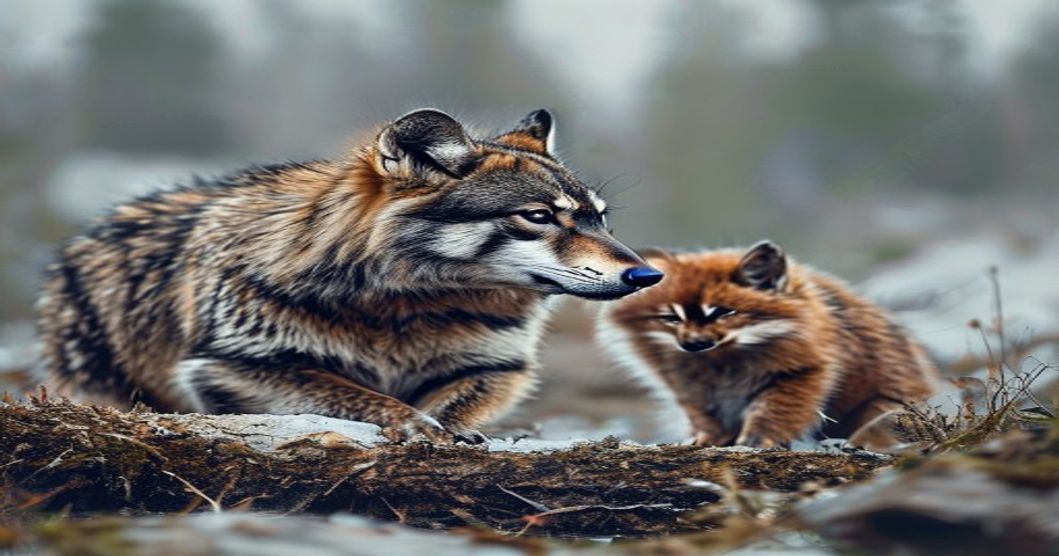
Animal Behavior Knowledge in Sami Culture: Comprehensive Guide
The Sami people have cultivated a sophisticated understanding of animal behavior over millennia, deeply intertwined with survival and environmental stewardship across the Arctic and sub-Arctic regions of Sápmi. This knowledge system operates as a continuous observational framework where animals are recognized as active participants in ecological balance rather than passive resources. Reindeer herding stands at the core of this expertise. Sami herders interpret subtle shifts in herd movement, vocalizations, and grazing patterns to predict microclimate changes, locate optimal pastures, and identify early indicators of illness or metabolic stress.
- Sensory Tracking Techniques: Herders read wind direction, snow density, and ice thickness to anticipate migration corridors during extreme cold snaps.
- Vocalization Analysis: Distinct reindeer calls signal separation from the herd, predator proximity, or seasonal readiness for movement.
- Behavioral Baselines: Generational memory establishes normal activity cycles, making deviations immediately visible to experienced herders.
Beyond domesticated reindeer, Sami hunters developed precise methodologies for monitoring wolves, bears, and migratory avian species. Knowledge transmission occurs through direct field instruction rather than written documentation. Elders teach younger generations how to read pupil dilation in canines, interpret feather placement for migration timing, and recognize subtle gait changes that signal hunting intent or territorial boundaries. This empirical data consistently aligns with modern ethological studies, demonstrating that traditional behavioral observations match contemporary scientific classifications of stress responses, mating cycles, and seasonal adaptations.
The cultural framework treats animal behavior as a communicative system integrated into seasonal calendars and land-use decisions. Ritual practices are synchronized with observed animal rhythms to minimize human interference during vulnerable biological periods. This adaptive management strategy reduces livestock-wildlife conflict while maintaining sustainable population dynamics. Modern conservation frameworks increasingly recognize these indigenous methodologies as complementary to wildlife biology, particularly in monitoring climate-driven shifts in migratory patterns and habitat utilization. Structured documentation initiatives now pair oral tradition protocols with geospatial tracking data and behavioral ethology research to preserve this critical ecological intelligence.
Core principles of indigenous ecological observation
Indigenous ecological observation within Sami traditions relies on systematic sensory tracking and multigenerational pattern recognition rather than isolated data collection. Practitioners monitor microclimatic shifts, snow depth variations, and vegetation cycles to anticipate animal movements before visible signs appear. Reindeer migration routes are mapped through subtle environmental markers such as lichen density, wind erosion patterns on ridges, and the acoustic properties of frozen terrain. Track interpretation requires distinguishing between species-specific gait variations, age-related walking patterns, and stress-induced deviations.
- Vocalization decoding forms a critical layer; elk bugles, wolverine vocal exchanges, and ptarmigan flight calls are analyzed against seasonal breeding windows and predator avoidance behaviors.
- Demonstrative knowledge transfer occurs through direct field instruction where elders demonstrate tracking techniques alongside younger generations during actual animal movements rather than theoretical classrooms.
- Continuous environmental scanning requires practitioners to read ice thickness on lakes, monitor bird flight altitudes for approaching storms, and observe reindeer ear positioning to gauge herd tension levels in real time.
The observation framework operates without artificial boundaries; human activity zones merge with wildlife corridors through shared spatial mapping. Resource allocation decisions stem from real-time behavioral indicators rather than fixed schedules. When reindeer shift grazing patterns toward higher elevations during late autumn, observers correlate this movement with snow crust formation and wind exposure. Wolverine denning sites are located by analyzing soil disturbance around rocky outcrops combined with seasonal vegetation changes. The methodology emphasizes patience and extended presence in specific territories where repeated exposure reveals behavioral baselines and anomaly detection becomes possible. Environmental ethics remain embedded in the practice; observation never disrupts natural routines or alters animal trajectories. Instead, practitioners adjust their own positioning to maintain invisibility while gathering actionable data. This approach generates highly localized predictive models that adapt to rapid climate fluctuations without relying on external technological inputs. The cumulative effect produces resilient land management strategies rooted in precise behavioral reading and continuous ecological dialogue.
Linguistic frameworks for tracking and classification
The Sami languages utilize a highly specialized lexical architecture that encodes direct observation of animal ecology into grammatical and semantic structures. Reindeer terminology alone demonstrates this precision, with over two hundred distinct morphemes describing coat patterns, antler development stages, age cohorts, and behavioral states tied to seasonal migration cycles. Each linguistic variant operates within a semantic field where noun derivation reflects functional relationships between species and environmental conditions.
Morphological tracking systems emerge through verb conjugations that denote movement vectors, fatigue thresholds, and predator-prey interactions. Verbs in North Sami and Inari Sami systematically distinguish between deliberate navigation, involuntary drifting, and reactive evasion, allowing herders to communicate herd dynamics with surgical accuracy across vast tundra landscapes. Classification extends beyond taxonomic boundaries into behavioral ecology. Fish species are categorized by spawning altitude, migration timing, and water temperature tolerance, while avian nomenclature maps wing morphology to flight patterns during extreme Arctic winters.
- Semantic integration operates through compounding mechanisms that fuse anatomical markers with seasonal calendars.
- Lexical compression reduces communication latency during critical herding operations and winter tracking expeditions.
- Dialectal divergence follows ecological gradients, with coastal variants emphasizing marine mammal terminology while inland dialects prioritize terrestrial migration routes.
Oral transmission preserves these frameworks through narrative structures that embed tracking protocols within generational storytelling. Linguistic variation across dialects reflects micro-geographical adaptations, where each community maintains distinct classification matrices calibrated to local snow conditions, vegetation cycles, and wildlife distribution patterns. The structural rigidity of these frameworks ensures knowledge retention without reliance on written documentation. Modern ethnolinguistic studies confirm that semantic precision in animal behavior terminology correlates directly with successful resource management strategies across historical reindeer husbandry systems.
Semantic networks prioritize functional utility over biological taxonomy, organizing species by behavioral predictability rather than phylogenetic lineage. Morphological tagging within verbs captures micro-behaviors such as grazing posture, vigilance frequency, and stress indicators. Dialect-specific suffixes modify base animal lexemes to indicate health status, nutritional intake levels, and reproductive readiness. Grammatical gender assignment often aligns with observed temperament rather than biological classification, creating a functional taxonomy that streamlines daily herd management. Semantic borrowing from neighboring Finno-Ugric languages remains minimal, preserving the indigenous tracking vocabulary from external taxonomic interference. The structural consistency of these frameworks enables cross-generational knowledge transfer without
Reindeer Herding Practices and Behavioral Decoding
The Sami relationship with reindeer transcends conventional livestock management, operating instead as a continuous dialogue rooted in centuries of observational precision. Herders decode subtle behavioral shifts through auditory cues, spatial positioning, and physiological indicators that signal immediate environmental or social changes within the herd. Vocalizations serve as the primary communication layer; distinct calls such as goahte for directional guidance, rhythmic snorts for alarm, and low-frequency grunts for social bonding are processed in real-time. A herder’s ability to interpret these sounds depends on acoustic memory refined across generations, allowing them to distinguish between routine grazing murmurs and distress signals requiring immediate intervention.
- Postural Analysis: Ear orientation, tail position, and head elevation reveal herd hierarchy and stress levels. Flattened ears combined with a lowered head typically indicate submission or fatigue, while raised antlers and tense musculature signal alertness or territorial readiness.
- Movement Pattern Recognition: Reindeer naturally form loose triangular formations during migration. Deviations from this structure—such as sudden clustering or erratic pacing—often precede predator encounters or weather shifts. Herders track these micro-adjustments to anticipate collective movement before visual confirmation.
- Grazing Behavior Indicators: The duration and frequency of lichen stripping directly correlate with nutritional intake and seasonal readiness. A decline in grazing efficiency frequently marks the onset of winter metabolic stress, prompting herders to redirect the herd toward sheltered valleys or supplemental feeding zones.
Seasonal transitions demand rapid behavioral recalibration. During calving seasons, herders monitor uterine expansion through abdominal contour changes and nesting behaviors, adjusting proximity to minimize disturbance. Summer foraging routes are mapped by tracking reindeer’s preference for specific moss strains and aquatic vegetation, which naturally regulate electrolyte balance. The transmission of this knowledge occurs through immersive field training rather than formal instruction; young herders learn by mirroring adult decision-making during routine movements, storm responses, and veterinary interventions.
Modern reindeer management integrates these traditional decoding methods with GPS telemetry and drone surveillance, yet the foundational expertise remains unchanged. Behavioral patterns observed in the wild consistently override algorithmic predictions when environmental variables shift unpredictably. Herders who master this interpretive framework maintain higher herd cohesion, reduce mortality rates during extreme weather events, and optimize pasture rotation without compromising ecological balance.
Vocalization analysis for herd coordination and movement prediction
Sami reindeer herders have historically relied on a sophisticated acoustic repertoire to manage large moving her across vast tundra and forested landscapes. Vocal signals function as real-time communication channels that bridge distance gaps where visual contact is compromised by terrain, weather, or herd dispersion. Each call type carries specific behavioral directives, encoded through pitch modulation, rhythm, and vocal placement rather than standardized phonetic structures.
The herder’s voice operates within a calibrated acoustic framework. Low-frequency moos guide grazing direction, while sharp, staccato barks trigger rapid assembly. Calming sequences employ prolonged nasal tones that reduce herd anxiety during cross-country traversal. Movement prediction emerges from observing how these vocal cues interact with reindeer responses. Herders track subtle shifts in call duration and intensity to anticipate sudden directional changes, particularly when crossing frozen lakes or navigating dense birch forests.
- Directional Calls: Extended tonal patterns influence herd trajectory by aligning with wind direction and topographical features.
- Gathering Signals: Rapidly repeated syllables compress dispersed groups into cohesive units for seasonal migration or veterinary checks.
- Environmental Adaptation: Vocal projections adjust to snow density and ambient temperature, ensuring acoustic clarity across varying microclimates.
Acoustic precision requires years of tactile and auditory training. Herders learn to modulate vocal cords against wind resistance, projecting calls at angles that minimize sound absorption by moss and lichen. The predictive capacity stems from recognizing how reindeer process these frequencies in relation to ground vibration and atmospheric pressure shifts. This knowledge system operates as a living ethological database, encoding movement patterns through generational repetition rather than written documentation.
Modern ethology validates these traditional practices. Research confirms that reindeer respond preferentially to specific harmonic ranges within the herder’s vocal spectrum. The correlation between acoustic input and herd velocity demonstrates an evolutionary adaptation where human-animal coordination relies on frequency mapping rather than visual commands. This acoustic management framework remains functional across contemporary grazing cycles, operating alongside GPS tracking and satellite monitoring without replacing its foundational principles.
Physiological health markers and traditional management techniques
Sami herders rely on direct physiological assessment rather than modern diagnostic tools to track reindeer wellness across Arctic pastures. Palpation of the rump and flank regions reveals subcutaneous fat reserves, which dictate survival capacity during deep snow events. Coat density and color changes signal seasonal molting cycles or parasitic load, while mucous membrane inspection provides immediate insight into respiratory efficiency and circulation status. Herders track antler velvet shedding timing to estimate age classes and reproductive readiness within the herd. Behavioral shifts accompany these physical markers: altered gait patterns indicate joint strain or early-stage laminitis, while prolonged isolation from the main group often precedes fatal metabolic decline.
Traditional management protocols respond directly to these observations. When fat reserves drop below sustainable thresholds, herders initiate early autumn drive sequences toward lichen-rich valleys before ice formation blocks migration routes. Supplementary feeding relies on stored cloudberry bushes and dried willow bark, administered only during temperature inversions when reindeer foraging efficiency collapses. Herd structure is maintained through strategic partitioning; weak or injured individuals are guided into temporary pens using controlled vocalizations and trained reindeer dogs, minimizing stress-induced cortisol spikes that compromise immune function. Pasture rotation follows a strict triennial cycle, allowing critical winter grazing zones to regenerate while preventing overgrazing indicators like exposed bedrock and sparse sedge patches.
Seasonal veterinary practices integrate physiological data with environmental tracking. Herders monitor nasal discharge consistency and eye clarity to detect early respiratory infections before they spread through dense herd clusters. During calving seasons, targeted observation of uterine expulsion timing and lamb attachment behavior identifies maternal failure risks. Intervention involves immediate relocation to sheltered birch groves and manual assistance only when natural progression stalls for more than two hours. Water source evaluation remains critical; frozen stream access is maintained through strategic rock placement and periodic thawing using heated stones, ensuring electrolyte balance during extreme cold snaps. These methods reflect centuries of empirical adaptation to subarctic ecological constraints.
Wildlife Tracking Systems Across Boreal Landscapes
The vast boreal forest and tundra ecosystems require precise observational frameworks when monitoring migratory reindeer populations across remote northern territories. Traditional Sami tracking methodologies depend entirely on accumulated environmental literacy rather than digital instrumentation. Herders analyze snow crust composition, wind scour gradients, and subtle ground depressions to reconstruct animal movement patterns days after initial passage. Every physical trace provides quantifiable information regarding herd velocity, directional intent, and metabolic stress levels during extreme temperature fluctuations.
- Snow reading protocols demand identification of ice lens formation, depth hoar density, and surface compression rates to determine whether reindeer traversed open plains or dense forest floors under heavy snowfall conditions.
- Terrain routing analysis examines ridge alignments, frozen peat bogs, and lichen-rich valleys where herds naturally optimize energy expenditure while avoiding deep snow accumulation zones.
- Acoustic field assessment captures distinct hoof impact frequencies across frozen waterways, enabling herders to separate solitary bulls from cow-calf units based on stride rhythm and substrate response.
Historical migration corridors follow topographical features that reindeer populations have utilized for centuries. Tracking specialists map these pathways by monitoring seasonal lichen depletion rates, summer insect harassment boundaries, and natural windbreaks formed by mountain escarpments. The direct correlation between behavioral adaptation and microclimate variation establishes the core predictive methodology passed through continuous field practice.
Contemporary wildlife management protocols increasingly validate these observational systems alongside satellite telemetry datasets. Traditional tracking frameworks record nuanced behavioral indicators that automated monitoring equipment frequently overlooks, including altered grazing postures during thermal extremes, vocal stress markers during predator encounters, and seasonal territory boundary negotiations. Merging empirical field observation with standardized ecological data collection produces a robust monitoring architecture capable of addressing accelerated habitat shifts across northern latitudes.
Predator-prey dynamics in subarctic ecosystems
The subarctic tundra and boreal forest zones establish a tightly regulated food web where survival depends on precise behavioral tracking across extreme seasonal shifts. Sami communities historically mapped these interactions through generational observation of movement patterns, vocalizations, and environmental markers rather than formal classification systems. Reindeer herds functioned as the central ecological anchor, their migration corridors directly dictating the hunting routes of apex predators. Wolves systematically isolated calves or weakened adults during deep snow periods when mobility became restricted, while wolverines adopted opportunistic scavenging strategies near human camps to access carcasses without engaging in direct territorial conflicts. Golden eagles tracked lemming population cycles with mathematical precision, relocating nesting sites as prey density fluctuated, and Arctic foxes exploited predator kills through established kleptoparasitic routes, a behavior herders documented by analyzing secondary tracks in fresh snowfall.
Traditional reindeer management required continuous assessment of predator pressure to maintain herd viability. Herders interpreted wind direction, broken canopy branches, and altered grazing patterns as early indicators of wolf presence or lynx stalking activity. When wolverine movement increased near calving grounds, groups adjusted pasture boundaries to minimize exposure during vulnerable birthing windows. The Sami recognized that predator movements responded directly to reindeer density, ice formation on water bodies, and berry ripening stages that attracted secondary scavengers. Seasonal pastures were rotated not solely for vegetation recovery but to disrupt predictable hunting corridors and reduce ambush success rates. Young herders learned to distinguish between territorial marking tracks and active pursuit patterns, a skill transmitted through oral instruction and field demonstration rather than written documentation.
- Predator tracking relied on reading snow compaction depth, track spacing, and directional changes relative to prevailing winds
- Herding formations shifted from tight defensive clusters to loose grazing lines based on real-time predator proximity assessments
- Nighttime corrals were strategically positioned near known den locations to deter wolf approaches without requiring constant human presence
- Selective culling occurred only during severe population crashes, maintaining ecological balance rather than pursuing total elimination
This behavioral awareness operated as a functional calibration tool for landscape management. Removing predator species would trigger cascading effects on reindeer herd structure, understory regeneration, and soil composition through unregulated grazing pressure. Sami communities maintained pragmatic equilibrium by integrating coexistence strategies that acknowledged ecological interdependence. Contemporary wildlife monitoring in Fennoscandia confirms that lemming cycles directly influence golden eagle breeding success, while wolverine dispersal boundaries align with historical reindeer winter range markers. The integration of indigenous tracking methodologies with modern satellite telemetry continues to refine conservation frameworks across northern latitudes.
Avian navigation cues and seasonal forecasting methods
Indigenous Sami communities have historically relied on precise avian observations to track environmental shifts across the Fennoscandian tundra and taiga zones. Birds function as primary bioindicators in these ecosystems, offering real-time data on atmospheric pressure changes, temperature fluctuations, and snowpack stability. Traditional ecological knowledge documents extensive monitoring of migration arrival dates, flight trajectories, and flock density, which directly correlate with winter severity and spring thaw progression.
Specific species carry distinct forecasting weight within Sami herding territories. The willow ptarmigan reveals ground temperature through its vocal activity patterns and feather fluffing behavior before snowmelt. Greater white-fronted geese and barnacle geese signal ice conditions on lakes and rivers; their delayed departure or extended stopover periods indicate persistent freeze stages, while early northward movement confirms thaw stability. Raven flight altitude and calling frequency provide wind direction data, essential for predicting storm surges across open tundra. Waxwing swarms during winter months serve as reliable predictors of berry crop failure and subsequent reindeer grazing pressure shifts.
- Migration timing adjustments directly inform reindeer calving site selection
- Vocalization frequency changes predict atmospheric pressure drops ahead of blizzards
- Flock composition ratios indicate predator population movements near livestock zones
- Foraging depth and substrate selection reveal snow hardness and crust formation
Sami weather forecasting integrates these avian signals into multi-day decision frameworks. Herders cross-reference bird behavior with cloud formations, wind direction, and lichen frost patterns to validate seasonal transitions. The knowledge system operates on empirical observation rather than theoretical models, requiring continuous field verification across generations. Modern reindeer husbandry still incorporates these indicators alongside meteorological data, demonstrating the enduring accuracy of traditional avian monitoring in extreme northern climates.
Ornithological monitoring extends beyond surface behavior. Sami observers track feather molting sequences, wing span adjustments during thermal soaring, and nocturnal roosting site
Terrestrial tracking techniques adapted to tundra terrain
The tundra environment demands precise observational strategies that transcend conventional tracking methodologies. Sami practitioners navigate permafrost zones and shifting snowpacks by interpreting micro-indicators rather than relying on surface impressions alone. Snow crust analysis forms the foundation of winter pursuit, where trackers evaluate wind-formed sastrugi patterns to determine passage age and direction. By inserting slender poles at measured intervals, herders assess layer stability and identify minute disturbances left by reindeer hooves. The weight distribution of ungulate tracks differs significantly from predator prints, creating distinct compression angles in compacted snow.
- Snow stratigraphy interpretation reveals movement corridors through thermal gradient mapping, as animals consistently follow wind-scoured ridges to conserve metabolic energy.
- Vegetation displacement patterns indicate seasonal migration routes, with lichen trampling and moss compaction providing reliable passage markers across flat terrain.
- Multi-sensory verification integrates auditory detection of hoof impacts on varying snow densities with tactile readings through fabric or exposed skin to calculate track freshness.
Seasonal adaptation remains critical, as summer tundra tracking shifts focus from snowpack analysis to soil compaction indicators and disturbed moss layers. Reindeer foraging behavior leaves measurable alterations in lichen beds, while predator approaches are detected through altered insect activity around urine deposits. Trackers map these behavioral signatures against topographical features, recognizing that herd movement consistently avoids steep ice formations and prioritizes wind-exposed surfaces where footing remains stable.
This knowledge system operates through embodied practice rather than documented instruction. Field apprenticeship emphasizes prolonged environmental attunement, requiring practitioners to internalize seasonal variations in animal physiology and terrain response. The methodology preserves ecological balance by interpreting behavioral patterns instead of initiating direct encounters, ensuring both predator-prey dynamics and tundra vegetation remain undisturbed during pursuit operations.
Knowledge Transmission and Contemporary Relevance
The transmission of animal behavior knowledge within Sami communities operates through multigenerational apprenticeship rather than formal instruction. Elders guide younger herders across seasonal grazing landscapes, emphasizing real-time observation of reindeer herd dynamics, predator avoidance patterns, and snowpack stability. Learning occurs through direct participation in tracking routes, interpreting vocal cues, and recognizing subtle shifts in animal posture that signal fatigue, illness, or impending migration. This experiential framework relies on continuous field exposure, where theoretical concepts merge with tactile feedback from sleds, lassos, and environmental markers. Documentation remains secondary to embodied practice; knowledge survives through repeated application during calving seasons, winter feeding cycles, and boundary negotiations with neighboring territories.
- Oral Mapping: Route memorization relies on phonetic landmarks and seasonal wind patterns rather than cartographic coordinates.
- Physical Apprenticeship: Youth learn terrain navigation through guided sled driving and manual handling of herding equipment during extreme weather events.
- Song and Narrative Integration: Traditional joik structures encode spatial data, migration timelines, and species-specific behavioral triggers into mnemonic frameworks.
Modern applications demonstrate the operational value of this traditional framework. Climate-driven shifts in pasture availability force contemporary herders to recalibrate historic migration corridors using ancestral tracking methods combined with GPS telemetry. Wildlife biologists increasingly collaborate with Sami practitioners to map caribou movement corridors that align with ecological thresholds rather than political boundaries. Research institutions validate age-old indicators of reindeer health, such as ear positioning during wind events or feeding ground selection patterns, which now inform veterinary protocols and disease surveillance systems. Educational programs in northern municipalities integrate these observational techniques into geography and biology curricula, bridging indigenous epistemologies with standardized ecological modeling. Digital preservation initiatives archive elder narratives alongside satellite imagery, creating hybrid reference tools that maintain operational relevance without reducing living knowledge to static datasets. Land management policies across Scandinavia now recognize traditional behavioral tracking as a legitimate metric for sustainable grazing quotas, directly influencing regional agricultural subsidies and conservation zoning. Cross-sector data sharing between municipal agricultural offices and indigenous governance councils ensures that behavioral indicators inform real-time grazing rotations. Veterinary clinics utilize historical symptom catalogs to diagnose metabolic disorders in high-altitude pastures, reducing reliance on synthetic interventions. Academic institutions formalize these practices through peer-reviewed ecological studies, translating observational precision into measurable sustainability metrics. The persistence of this knowledge system proves that empirical observation, when anchored in continuous cultural practice, remains a functional resource for adaptive resource management.
Mechanisms of oral tradition in preserving behavioral insights
The preservation of animal behavior insights within Sami communities relies on structured oral transmission rather than written documentation. Elders and experienced hunters encode ecological observations into narrative frameworks that align with seasonal cycles, reindeer migration patterns, and predator-prey dynamics. These narratives function as cognitive maps, allowing listeners to reconstruct complex behavioral cues without relying on formal scientific terminology.
Mnemonic devices form the foundation of this transmission system. Rhyming verses, repetitive syntactic structures, and melodic chanting enhance memory retention across generations. When a herder describes how moose alter their movement during deep snowfall, the description follows a predictable rhythmic pattern that anchors specific behavioral markers to auditory cues. This method ensures critical survival information remains accessible even in high-stress environments where reading or writing materials are unavailable.
Contextual embedding further strengthens knowledge retention. Behavioral insights rarely exist as isolated facts; they integrate with landscape features, weather conditions, and spiritual frameworks. Stories about wolf pack coordination explicitly reference terrain contours and wind direction, transforming abstract ethological concepts into spatially grounded lessons. Apprenticeship models reinforce this integration through direct observation paired with verbal correction. Young herders receive immediate feedback on animal posture, vocalizations, and grazing patterns, which gradually builds intuitive recognition of subtle behavioral shifts.
Ritualistic practices also serve as knowledge preservation mechanisms. Seasonal gatherings, gift exchanges, and ceremonial storytelling create structured intervals where ecological data is actively refreshed and validated. Discrepancies between observed animal behavior and recorded narratives trigger communal analysis, ensuring accuracy across decades. This self-correcting oral ecosystem maintains high fidelity without institutional oversight, demonstrating how indigenous epistemologies optimize information transfer through socially embedded cognitive architecture.
- Acoustic anchoring: Pitch modulation and drum rhythms synchronize with specific animal vocalizations, creating auditory templates for rapid recognition during tracking.
- Spatial storytelling: Geographic landmarks function as narrative waypoints, allowing herders to reconstruct migration routes through place-based memory rather than abstract coordinates.
- Corrective dialogue: Experienced practitioners interrupt inaccurate observations during practice sessions, immediately aligning perception with verified behavioral baselines and preventing knowledge drift.
Integration with modern ethological research frameworks
Sami herders have documented nuanced animal behavioral patterns across centuries through direct ecological engagement rather than controlled experimentation. This generational observational database aligns remarkably well with contemporary ethological methodologies when structured through interdisciplinary collaboration. Modern research frameworks leverage GPS telemetry, accelerometry, and spatial analysis to validate traditional migration calendars, predator avoidance strategies, and seasonal foraging cues recorded in reindeer husbandry practices. Behavioral ecologists now incorporate these indigenous timelines to calibrate long-term movement studies, particularly regarding rangifer tarandus population dynamics under rapid climatic shifts.
- Synchronized Field Deployment: Researchers pair with knowledge holders during critical behavioral windows to cross-validate accelerometer data against historical stress indicators like snow crust formation responses and altered vigilance thresholds near human infrastructure.
- Cognitive Mapping Integration: GIS overlays of traditional calving meadows correlate with neuroethological findings regarding spatial memory retention, revealing how cultural route transmission parallels genetic adaptation to alpine terrain and influences herd cohesion mechanics.
- Decadal Plasticity Tracking: Traditional temporal frameworks capture behavioral shifts that single-season scientific sampling routinely misses, enabling accurate predictive modeling for wildlife management protocols and habitat fragmentation mitigation.
Methodological convergence addresses persistent gaps in short-term ethological sampling. Academic field studies frequently prioritize controlled variables over ecological complexity, whereas Sami documentation emphasizes contextual adaptability across fluctuating microclimates. Joint research designs utilize participatory observation matrices that standardize qualitative behavioral descriptors into quantifiable metrics without eroding cultural specificity. This structured synthesis strengthens habitat corridor planning by aligning physiological thresholds with traditional land-use boundaries. Conservation agencies increasingly adopt these hybrid protocols to monitor predator-prey equilibrium shifts while maintaining epistemological integrity. The integration of indigenous behavioral documentation with modern ethological instrumentation creates a continuous feedback loop for species resilience assessment in rapidly transforming northern ecosystems.
Algorithmic behavior classification models now ingest these hybrid datasets, improving accuracy in detecting subtle postural changes indicative of early seasonal transitions or disease onset. This technical convergence ensures that modern ethological frameworks operate with historically grounded baselines rather than isolated contemporary snapshots.
Climate adaptation strategies derived from traditional monitoring
Sámi communities have historically relied on hyper-localized ecological indicators to track environmental shifts long before instrumental climate records existed. Traditional monitoring focuses on fine-grained observations of reindeer physiology, avian migration patterns, snowpack stratification, and lichen phenology. These indicators function as a decentralized early-warning system. When reindeer alter their feeding posture or increase movement frequency near forest edges, it often signals the formation of impenetrable ice layers beneath fresh snowfall. Historically termed rávddá, this rain-on-snow phenomenon traps forage and triggers mass mortality events. Herders interpret subtle shifts in antler development cycles and fat deposition rates to predict seasonal transitions, allowing them to adjust migration corridors before weather models confirm the shift.
- Dynamic Grazing Scheduling: Instead of following fixed historical routes, herding groups modify pasture rotation based on real-time animal stress signals and vegetation moisture levels. Reindeer demonstrate distinct behavioral markers when ground lichen becomes inaccessible, prompting immediate relocation to higher elevations or coastal zones.
- Cross-Generational Data Integration: Oral transmission of micro-regional weather patterns combines with digital meteorological overlays. Herders overlay historical ice-damage maps with modern satellite thermal imaging to identify resilient grazing buffers that remain stable during temperature volatility.
- Indicator Species Tracking: Snow bunting arrival dates and Arctic fox denning timing serve as biological proxies for spring thaw progression. Adjusting calving ground selection according to these avian and carnivore benchmarks ensures herd synchronization with peak nutritional availability.
Practical implementation requires institutional flexibility. Climate adaptation in Sámi territories depends on recognizing behavioral feedback loops rather than imposing rigid seasonal restrictions. When herders detect altered rumination patterns or increased vocalization frequency during winter months, it frequently precedes unseasonal thaw events. Strategic response protocols involve pre-positioning supplemental forage reserves, deploying windbreak fencing to mitigate snow drifting, and coordinating with meteorological agencies to validate observational data. This synthesis of indigenous monitoring frameworks and contemporary forecasting reduces economic loss while preserving ecosystem connectivity. The adaptive capacity emerges from continuous environmental dialogue, where animal behavior operates as both diagnostic tool and navigational compass in rapidly shifting bioclimatic zones.
Frequently Asked Questions
What is Animal Behavior Knowledge in Sami Culture?
Animal behavior knowledge in Sámi culture refers to the traditional ecological wisdom passed down through generations regarding the habits, movements, and communication of reindeer, fish, birds, and other wildlife essential to Sámi livelihoods. This knowledge encompasses tracking skills, seasonal migration patterns, understanding animal signals for weather or terrain changes, and sustainable hunting and fishing practices deeply rooted in Sámi spiritual and practical life.
Key facts about Animal Behavior Knowledge in Sami Culture
Key facts include: (1) It is primarily oral knowledge transmitted from elders to youth through storytelling and hands-on learning. (2) Reindeer herding relies heavily on interpreting animal behavior for navigation across Arctic landscapes. (3) Sámi hunters use subtle cues like bird flight patterns and ice sounds to predict weather and locate game. (4) This knowledge is recognized as a vital part of UNESCO Intangible Cultural Heritage and contributes significantly to modern conservation biology.