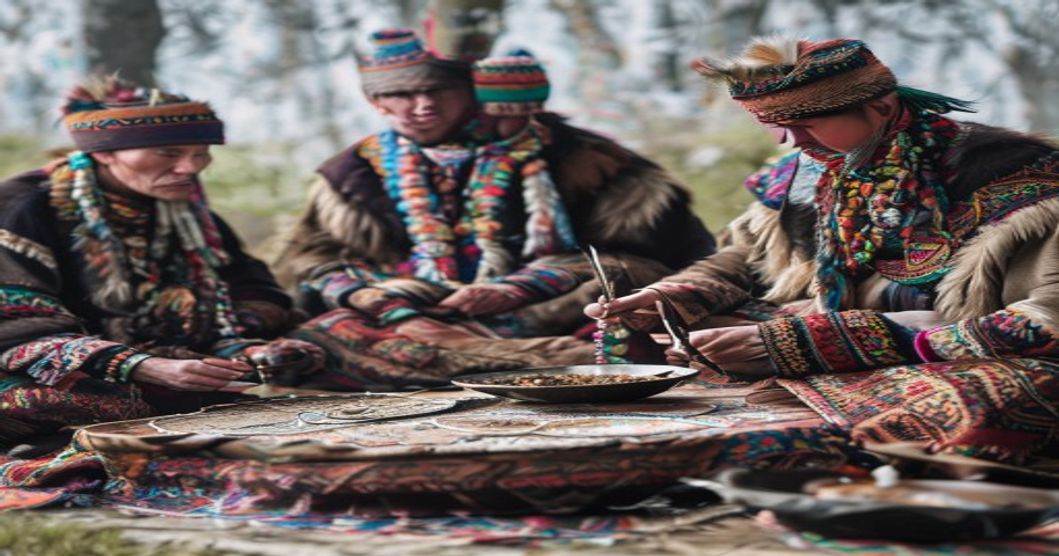
Traditional Sami Rituals Explained: A Comprehensive Guide to Indigenous Nordic Spiritual Practices
The spiritual framework of the Sami people rests upon a profound connection to the Arctic landscape, where every mountain, lake, and forest holds ancestral significance. Central to these practices is the noaidi, a traditional shamanic figure who served as an intermediary between the human realm and the spirit world. The noaidi conducted ceremonies using a sacred drum known as a goavddat, which featured intricate carvings representing cosmological divisions, celestial bodies, and mythological creatures. These drums functioned not merely as musical instruments but as navigational tools for spiritual journeys, guiding practitioners through trance states aimed at
Historical Foundations and Pre-Christian Cosmology in Sápmi
The spiritual infrastructure of early Sápmi operated through a tightly integrated animistic system where environmental boundaries functioned as theological jurisdictions. Local cosmologies mapped territory onto invisible networks of noaidi, spiritual forces inhabiting specific mountains, waterfalls, and ancient pine groves. Human intermediaries known as sieidivázzi conducted seasonal ceremonies at designated sacred sites, depositing offerings of reindeer antlers, copper artifacts sourced from medieval trade routes, or dried fish to maintain reciprocal relationships with these entities. Archaeological surveys consistently identify ritual deposits aligned with solar solstices and lunar zenith points, demonstrating that temporal cycles governed spiritual activity long before written chronicles appeared in the region.
Pre-Christian Sámi religious practice relied heavily on controlled auditory and tactile stimuli to access diagnostic knowledge. Ritual drums constructed from cured reindeer hide contained precisely painted segments representing distinct environmental zones, ancestral lineages, and deity classifications. Drummers employed rhythmic percussion techniques that induced altered states of consciousness, allowing practitioners to interpret ecological signals regarding herd migration routes, weather patterns, or territorial boundaries with neighboring communities. The joik tradition emerged alongside these practices as a vocal mechanism for encoding genealogical data and tracking animal behavior across vast tundra landscapes.
Geographic fragmentation across Scandinavian mountain ranges and Arctic coastlines generated measurable doctrinal variations without fracturing the underlying cosmological framework. Coastal populations maintained elaborate marine deity cults centered on seal migration cycles, while inland groups developed intricate reindeer spirit hierarchies tied to lichen growth patterns and snow depth measurements. Christianization campaigns initiated during the thirteenth century systematically dismantled sieidi structures and confiscated ritual instruments, yet ecological observation techniques survived through disguised terminology in folk poetry and winter storytelling traditions. Modern ethnographic studies confirm that these historical practices functioned as sophisticated resource management protocols rather than primitive superstition.
The Role of Nature and Animal Spirits in Traditional Worldview
The traditional Sami worldview operates on a deeply rooted animistic framework where the physical landscape and spiritual realm are inseparable. Mountains, fjords, ancient pines, and still waters are not passive scenery but active sacred entities known as place spirits. Each natural feature possesses its own consciousness and governs specific aspects of human survival, from weather patterns to reindeer migration routes. This ecological spirituality was never abstract; it functioned as a practical survival system that dictated movement, hunting seasons, and community boundaries across the Arctic tundra and boreal forests.
Animal spirits hold equal prominence in this cosmology. The reindeer, central to Sami livelihood, is viewed as both a physical resource and a sacred teacher whose spiritual essence must be honored. Hunters performed specific offerings before tracking game, acknowledging that success depended on reciprocal respect rather than mere technical skill. Other creatures like the bear, fox, wolverine, and migratory birds were understood as spirit guides or omens. Interactions with these animals followed strict ethical codes: wasting flesh was taboo, certain bones required ritual placement, and taking life demanded immediate apologies to maintain cosmic balance.
- Sacred landscapes functioned as natural temples where offerings were deposited at stone formations or waterfalls
- Animal spirits mediated between humans and higher deities during seasonal ceremonies
- Reciprocal exchange principles governed all hunting, fishing, and gathering activities
The Noaidi, or traditional shaman, served as the primary conduit for these spiritual forces. Through rhythmic drumming, fasting, and focused joik chants, the Noaidi entered altered states of consciousness to navigate the spirit world, negotiate with animal guardians, and retrieve lost souls. These rituals were never performative displays; they were precise technical practices requiring years of apprenticeship under an elder. The underlying philosophy recognized that human survival remained entirely dependent on maintaining harmonious relationships with non-human beings. This ancient ecological ethic ensured resource sustainability centuries before modern environmental frameworks emerged, embedding conservation directly into spiritual obligation rather than legislation.
Understanding the Noaidi Shamanic Lineage and Oral Transmission
The Noaidi functioned as the primary spiritual intermediary within Sami communities, responsible for mediating between human settlements and the invisible ecological forces that governed reindeer migration, weather patterns, and community health. This position required rigorous lineage verification rather than automatic inheritance, with candidates typically identified in childhood through recurring prophetic dreams, heightened sensory sensitivity, or behavioral anomalies interpreted by elders as shamanic indicators.
Genealogical tracking relied on meticulously maintained family records that documented successful spirit communication across multiple generations. Aspiring Noaidi underwent structured apprenticeships lasting seven to twelve years under established practitioners, mastering drum construction using stretched reindeer hide over carved ash frames, learning precise nail placement techniques, and developing vocal control for yoik melodies that mapped specific landscapes rather than composed narratives.
- Drum interpretation methodology depended on analyzing natural wood grain patterns, intentional nail impressions, and painted geometric symbols that correlated with celestial cycles and seasonal hunting windows.
- Vocal transmission protocols required learning breath-controlled chanting techniques that synchronized human resonance with environmental acoustics, enabling practitioners to simulate animal calls or wind patterns for tracking purposes.
- Ritual object activation involved multi-day fasting sequences, juniper smoke purification ceremonies, and precise rhythmic drumming that established spiritual access points at sacred stone formations known as sieidi.
Oral transmission operated as a dynamic information system where survival strategies, astronomical observations, and clan histories merged into performative practice. Elders utilized structured call-and-response chanting during solstice gatherings to reinforce memory retention across generational boundaries without written documentation. The final apprenticeship phase demanded complete geographic isolation in remote wilderness areas where initiates demonstrated autonomous spirit negotiation capabilities under elder observation. Historical records confirm that systematic transmission networks experienced severe disruption following seventeenth-century religious reforms, yet modern ethnographic studies continue reconstructing these pedagogical frameworks through archived drum analysis and verified practitioner interviews.
Core Ceremonial Practices and Seasonal Observances
Sacred drum ceremonies constitute the foundation of Sami spiritual practice, functioning as both a cosmological map and a conduit for divination. The noaidi, or ritual specialist, utilizes a handcrafted drum constructed from reindeer hide stretched over a birch frame to interpret omens, locate lost herd members, and forecast weather patterns. Drum surface markings represent the upper, middle, and lower realms of Sami cosmology, with brass pendants indicating spiritual access points during trance states.
Joik traditions operate through non-linear vocal structures that encode ancestral memory and geographical landmarks. Unlike melodic compositions, joiks function as sonic representations of people, places, or natural phenomena, requiring precise breath control and rhythmic repetition to maintain spiritual resonance. Ritual specialists employ specific vocal techniques during solstice gatherings to align human activity with environmental cycles.
Seasonal observances govern ritual timing across northern latitudes, synchronizing ceremonial activities with reindeer husbandry and ecological shifts. Spring calving ceremonies involve purification rites using juniper smoke and blood offerings to ensure herd fertility. Summer pasturing rituals focus on boundary consecration, where stone cairns receive carved symbols marking territorial limits and spiritual waystations. Autumn slaughter observances demand gratitude protocols, including bone placement according to traditional orientation systems that reflect celestial alignments. Winter solstice gatherings center around light preservation practices, utilizing reindeer antler lamps and communal feasting to maintain cosmological balance during extended darkness periods.
- Sacred drum consultations require specific birch wood harvesting windows tied to lunar phases
- Joik transmission follows strict lineage protocols preventing unauthorized ritual vocalization
- Seasonal marker stones undergo annual reinforcement using lichen binding techniques
- Spirit offering vessels utilize carved copper and hardened resin compounds for durability
These practices maintain ecological equilibrium through documented observation cycles spanning centuries, integrating astronomical tracking with terrestrial resource management. Ritual specialists record environmental anomalies through drum pattern variations and vocal pitch modifications, creating continuous data streams that inform contemporary land stewardship frameworks.
The Sacred Function of Yoik Songs in Ritual Contexts
The yoik operates as a sonic conduit within Sami ceremonial practice, functioning not as performance but as ontological invocation. Rather than narrating an external subject, the vocalization embodies its essence through sustained tonal patterns, microtonal inflections, and rhythmic breath cycles. Shamans historically deployed these acoustic structures to navigate liminal spaces during seasonal transitions, hunting expeditions, or healing ceremonies. The voice becomes a resonant field where human intention aligns with environmental forces, allowing practitioners to perceive hidden ecological networks and spiritual entities.
Ritual applications demand precise vocal control and contextual awareness. During noaidi ceremonies, yoik sequences facilitate altered states of consciousness essential for divination and spirit negotiation. Seasonal markers trigger specific melodic frameworks that acknowledge animal migrations, reindeer calving cycles, or Arctic light shifts. Transition rituals employ vocal motifs to guide souls through life stages, ensuring spiritual continuity across generational boundaries. Each phrase carries encoded ecological data, functioning as an auditory archive of territorial knowledge.
- Establishes reciprocal relationships between communities and landscapes
- Activates ancestral memory through phonetic resonance patterns
- Synchronizes group participation during collective ceremonies
- Maintains acoustic boundaries that protect sacred sites from spiritual disruption
Transmission occurs through immersive apprenticeship rather than formal instruction. Young practitioners learn to modulate vocal timbre according to topographical features, weather conditions, and seasonal rhythms. The practice demands strict adherence to ceremonial protocols, as misaligned intonation disrupts the intended spiritual mechanism. Contemporary preservation efforts recognize these acoustic traditions as living systems of ecological and cultural intelligence, maintaining their functional integrity rather than reducing them to aesthetic artifacts.
Reindeer Herding Rites and Pastoral Cycle Celebrations
The pastoral cycle governs Sámi reindeer herding through precise seasonal transitions that demand intimate ecological awareness and ritual observance. Each movement between summer pastures, autumn gathering grounds, winter grazing zones, and spring calving areas follows centuries-old migratory routes mapped by natural markers rather than fixed coordinates. Herders monitor lichen growth patterns, snow hardness, and animal behavior to determine optimal timing for seasonal drives. These transitions are never purely logistical; they are framed by ceremonial acts that acknowledge the reciprocal relationship between humans, reindeer, and the landscape.
During the autumn rutting season, specific rites focus on protecting herd fertility and preventing territorial conflicts. Elders perform blessings over newly branded calves, embedding personal symbols into the hide while reciting invocations to sieidi stones—sacred natural formations believed to house spirit guardians. The spring calving period introduces intensive ritual activity. Herders establish temporary camps near vulnerable birthing grounds, maintaining continuous vigils to deter wolves and track parturition cycles. Ritual songs known as joik accompany these watches, functioning as acoustic signals that coordinate herder movements while reinforcing communal cohesion.
The slaughter season marks another critical ceremonial phase. Reindeer processed for winter sustenance require structured preparation rituals that emphasize respect and resource efficiency. Every bone, antler, sinew, and hide undergoes designated use according to traditional classification systems. Before the first kill of the season, herders conduct purification rites involving smoke from juniper branches and offerings of dried reindeer meat placed at crossroads or elevated ground. These acts acknowledge the animal’s sacrifice and request continued abundance for the coming months.
Community assemblies convene after successful migrations to redistribute resources, resolve territorial disputes, and transmit technical knowledge across generations. Youth participation during these gatherings ensures continuity of herding ethics that prioritize herd welfare over individual gain. Contemporary practitioners maintain these cycles while adapting to environmental shifts and regulatory frameworks, preserving ritual structures that sustain both cultural identity and ecological balance.
Hunting Offerings, Blood Taboos, and Fertility Ceremonies
The spiritual economy of reindeer husbandry and wild game hunting relied heavily on reciprocal exchanges between the living community and the unseen forces governing the Arctic landscape. Hunters prepared specialized offerings to secure favorable outcomes before expeditions. These rituals involved depositing birch bark containers filled with dried meat, reindeer fat, or smoked fish at sacred stones known as sieidi locations. The Noaidi, or shamanic figure, chanted invocations over a sacrificial drum while burning juniper branches to carry prayers upward. Success in these practices depended on maintaining strict behavioral codes during the preparation phase, including temporary dietary restrictions and silence. Deviations were believed to offend the spirit owners of animal territories, resulting in failed hunts or misplaced game herds.
Blood held a uniquely potent yet dangerous position within Sami cosmology. Specific zones around hunting grounds, slaughter areas, and sacred groves operated under strict blood taboos that prohibited mixing with everyday domestic spaces. Contact with fresh blood required immediate ritual cleansing through washing hands in running water, changing clothes, and burning specific herbs like mountain ash bark. Breaking these restrictions triggered communal anxiety because uncontained spiritual energy was thought to attract malevolent forces or disrupt the natural balance between predator and prey. In severe cases, affected individuals underwent purification ceremonies led by community elders, involving fasting, joik recitations, and temporary exclusion from group activities until spiritual equilibrium restored itself.
Fertility rituals followed predictable seasonal patterns aligned with reindeer calving cycles and spring thaw periods. Communities performed collective ceremonies at designated saivo lakes or mountain clearings to encourage reproductive vitality in both livestock and human populations. Participants carried woven birch whips, rang iron bells, and struck drums rhythmically to mimic heartbeat patterns believed to stimulate biological renewal. The Noaidi entered trance states using specific drum patterns to communicate with fertility spirits associated with particular geographic features. Offerings included milk poured into earth depressions, wool strips tied to living trees, and specially carved wooden figures representing ancestral guardians. These practices reinforced social cohesion while ensuring ecological sustainability across generations of northern pastoral life.
Spiritual Artifacts and Divination Instruments
The spiritual landscape of the Sámi tradition relies heavily on physical objects that serve as conduits between the human realm and the unseen forces governing nature, health, and fortune. Central to this practice is the goavddis, a ritual drum crafted from reindeer wood and stretched with rawhide. Unlike conventional instruments, the goavddis functioned as a navigational map for the noaidi (shaman). Specific regions on the drumhead were inscribed with symbolic imagery representing deities, geographical landmarks, and seasonal cycles. During trance states, the practitioner would use a brass or bone pointer to strike designated markers, interpreting the resulting patterns as direct messages from the spirit world.
Beyond the drum, Sámi divination depended on precisely selected organic materials that carried inherent energetic properties. Reindeer hooves, antlers, and specialized bones were heated over open flames until they split or cracked. The direction, length, and curvature of these fissures provided immediate omens regarding hunting success, reindeer migration patterns, or impending illness. Stones collected from sacred sites like sieidi (rock altars) were similarly examined for unusual markings or alignments.
- Nákkä: Intricately carved wooden amulets embedded with iron nails or copper wire, acting as protective talismans and focal points for meditation during ritual ceremonies.
- Divination Bones: Heated organic materials analyzed through fracture patterns to predict travel safety, resource availability, and community health outcomes.
- Sacred Stones: Naturally occurring formations or collected rocks placed at designated ritual sites to anchor spiritual energy and mark territorial boundaries for ceremonies.
The creation of these instruments demanded strict adherence to ancestral protocols. Materials were harvested only during specific lunar phases, and each component underwent purification rituals before assembly. The noaidi’s authority derived not merely from ownership but from the disciplined maintenance of these artifacts. Cracks, fading pigments, or worn pointers signaled spiritual depletion, requiring immediate re-consecration. Contemporary archaeological findings confirm that these tools were never decorative; their structural integrity directly correlated with ritual efficacy. Understanding their construction reveals how Sámi cosmology integrated material craftsmanship with metaphysical practice, establishing a tangible framework for navigating uncertainty in the Arctic environment.
Decoding the Sami Drum Structure and Symbolic Mapping
The traditional Sami drum, known as goavddis, functions as a calibrated instrument for spiritual navigation rather than a decorative artifact. Crafted from a stretched reindeer bladder or hide secured over a bent birchwood frame and reinforced with metal rings, each material choice carries ritual significance. The taut membrane responds to precise kinetic input, allowing the noaidi—Sami shaman—to modulate resonance during ceremonies. Structural integrity depends on seasonal hide preparation and tension calibration, techniques preserved through generational apprenticeship.
- The drum surface operates as a cosmological grid, dividing space into three horizontal realms: the upper world inhabited by celestial deities and birds of prey, the middle world representing human settlements and reindeer pastures, and the lower world housing earth spirits and subterranean forces.
- Painted motifs follow established iconographic conventions rather than individual artistic expression. Common figures include solar discs, serpentine water beings, reindeer herds, and anthropomorphic guardians like sieidi stones or ancestral guides. Each painted zone corresponds to a specific spirit domain invoked during divination sequences.
- Strike patterns dictate ritual outcomes. Direct hits on central axis points activate communication with sky deities, while perimeter strikes summon earthbound entities. The noaidi employs calibrated wooden mallets and bone markers to generate rhythmic pulses that induce altered states of consciousness, enabling journeying across mapped territories.
Ethnographic records confirm that decoding requires contextual literacy beyond visual analysis. Historical suppression under Norwegian assimilation policies fragmented transmission chains, forcing practitioners to compress symbolic references into abbreviated forms. Modern interpretive frameworks cross-reference drum layouts with oral skaldic traditions, ecological knowledge, and seasonal migration cycles. Community assemblies rely on these mapped territories to determine migration routes, hunt locations, and healing protocols before each seasonal transition. Contemporary Sami communities restore original mapping protocols through archival reconstruction and elder testimony, ensuring the instrument retains its functional ritual status rather than becoming museum inventory. The goavddis remains a dynamic interface between material craftsmanship and cosmological navigation.
Runes, Carvings, and Protective Amulets in Ritual Use
Sami rune carving represents a distinct linguistic and spiritual tradition that diverges significantly from Norse or Germanic futhark systems. These inscriptions typically appear on reindeer antler, birch bark, wooden vessels, and ceremonial drums, serving as functional conduits rather than decorative elements. Each character carries phonetic value alongside layered symbolic weight, often invoked to secure hunting success, ensure herd migration patterns, or neutralize harmful environmental forces. The carving process itself constitutes a ritual act; practitioners traditionally select materials during specific lunar phases or seasonal transitions when spiritual boundaries are considered porous.
Protective amulets in Sami cosmology operate through sympathetic magic and animistic principles. Carved stone pendants, bone charms, and tusk fragments are frequently treated with reindeer fat, blood, or medicinal herbs to activate their latent properties. These objects are rarely mass-produced. Instead, each piece undergoes individual consecration by a noaidi who embeds specific joik melodies into the carving process through rhythmic chanting and breath control. The resulting artifacts function as portable sanctuaries, designed to maintain equilibrium between the human realm and the invisible spirits that govern weather, game animals, and territorial boundaries.
Drum inscriptions and ritual carvings frequently map geographical landmarks, celestial movements, and ancestral lineages onto a single medium. Circular motifs represent seasonal cycles, while angular cuts denote directional winds or hunting grounds. When worn during transhumance migrations, these items serve as both navigational aids and spiritual anchors. Archaeological evidence confirms that Sami rune use persisted well into the nineteenth century, often adapted to resist cultural assimilation rather than disappear entirely. The craftsmanship relies on precise pressure control with iron tools, requiring years of apprenticeship under experienced elders. Each mark
Healing Practices, Herbal Knowledge, and Spirit Journeying
Traditional Sámi healing operates as a deeply integrated system where physical, spiritual, and environmental elements converge under the guidance of experienced ritual specialists. Central to these practices is the noaidi, a figure historically recognized for mediating between the human realm and invisible forces. The noaidi employed a goavddis (sacred drum) inscribed with symbolic mappings of the cosmos, using rhythmic striking patterns to induce focused trance states rather than mere musical accompaniment. Vocal techniques, particularly structured joik sequences, functioned as auditory vectors designed to align the practitioner’s breath and intention with specific environmental frequencies. These methods were never performed in isolation; each ceremony required precise alignment with lunar cycles, seasonal migrations, and local geomagnetic conditions to maintain energetic coherence.
Herbal knowledge within Sámi communities developed through centuries of hyper-localized observation and empirical testing. Practitioners harvested botanical materials strictly according to phenological markers rather than calendar dates. Birch sap collected during early spring thaw contained elevated concentrations of betulin and salicylic compounds, making it highly effective for inflammatory conditions when consumed fresh. Lingonberry leaves provided natural antimicrobial properties through arbutin derivatives, traditionally prepared as cold-infused decoctions to preserve enzymatic activity. Juniper branches underwent controlled smoke cleansing protocols; the combustion temperature directly influenced whether the resulting vapor acted as a respiratory irritant or a purifying agent. Rowan berry extracts were frequently combined with reindeer antler ash to create alkaline pastes applied topically for wound stabilization and infection prevention.
- Arctic poppy petals were dried under indirect sunlight to retain flavonoid structures, then steeped in heated reindeer milk to treat digestive disturbances
- Cloudberry root bark required precise fermentation periods measured by lichen growth stages on adjacent rocks to activate therapeutic tannins
- Dryas octopetala leaves were crushed and mixed with pine resin to form protective salves for frost-bitten extremities during winter expeditions
Spirit journeying represented the operational core of Sámi healing methodology. Practitioners utilized controlled hyperventilation combined with sustained drum rhythms to shift consciousness into navigable altered states. During these excursions, the healer did not seek direct intervention from deities but rather negotiated with localized nature spirits known as hábme. These entities governed specific geographic features, animal populations, and weather patterns. Successful negotiations required precise offering protocols involving smoked reindeer fat, polished hematite stones, and meticulously timed vocalizations. The journey’s success hinged on the healer’s ability to maintain situational awareness while traversing what ethnographic records describe as layered perceptual domains. Upon return, practitioners synthesized experiential data with diagnostic observations of the patient’s physical symptoms, sleep patterns, and dietary intake to formulate targeted recovery protocols. Knowledge transmission occurred through immersive apprenticeship rather than textual documentation, ensuring that each generation refined techniques based on direct environmental feedback loops.
Regional Variations Across Sámi Territories
The traditional spiritual landscape of the Sámi people fractures distinctly across four primary geographic zones, each cultivating ritual practices adapted to extreme environmental conditions and subsistence patterns. Mountain Sámi communities, historically centered in the Scandinavian interior, developed ceremonies tightly bound to reindeer migration cycles and subarctic ecological rhythms. Their rituals frequently invoked Stállu, a mountain spirit entity, through seasonal drum divinations used before spring calving and autumn slaughter. Coastal Sámi groups along the Norwegian and Finnish shores maintained water-oriented rites, emphasizing salmon runs, seal hunting, and storm appeasement. Their ceremonial drum designs differed markedly, featuring aquatic motifs rather than terrestrial animal figures, while their joik traditions employed slower, wave-like melodic structures to harmonize with tidal patterns.
Forest Sámi territories stretching into Finnish Lapland and western Russia introduced taiga-specific practices. Rituals here centered on moose tracking, berry gathering cycles, and forest guardian spirits known as Mánnováhát. Drum skins in these regions often depicted pine forests and bear symbolism, reflecting deep ecological interdependence. The Kola Peninsula Sámi preserved distinct eastern traditions, integrating early Orthodox Christian elements post-conversion while retaining pre-Christian sacrificial altars called biejjiegolbme. These stone circles functioned as communal offering sites where reindeer antlers, copper coins, and dried fish were deposited to ensure hunting success and community survival.
- Mountain Sámi: Reindeer-centric drum divinations, seasonal migration rites, goavddis drum structures with central axis cosmology.
- Coastal Sámi: Aquatic spirit invocations, tidal calendar synchronization, drum motifs featuring whales, seals, and fish.
- Forest Sámi: Taiga tracking ceremonies, bear veneration rituals, drum designs emphasizing pine forests and terrestrial fauna.
- Kola Peninsula Sámi: Syncretic altar practices, eastern drum iconography, preserved pre-Christian sacrifice customs despite historical suppression.
Geographic isolation historically prevented ritual homogenization. Each territory maintained independent lineages of noaidi practitioners who transmitted knowledge through oral apprenticeship rather than written texts. Drum dimensions varied from forty to seventy centimeters in diameter, with handle shapes indicating regional affiliation. Ritual timing also diverged: mountain groups aligned ceremonies with midnight sun transitions and polar night darkness, while coastal communities followed lunar fishing cycles and storm seasons. These variations demonstrate how Sámi spirituality functioned as an adaptive ecological framework rather than a monolithic tradition.
Differences Between Northern, Eastern, Southern, and Inari Sami Traditions
The Sami cultural landscape fractures into distinct ritual ecosystems shaped by geography, historical contact, and subsistence patterns. Northern Sami communities maintain the most documented ceremonial framework, anchored by the goavddis drum and the noaidi’s trance states used for weather forecasting and herd management. Their rituals include precise blood-reading rites during autumn reindeer slaughter, where scapula bones are heated to interpret spiritual omens. Drum construction follows strict botanical protocols, utilizing reindeer hide stretched over spruce frames carved with solar and lunar symbols. Eastern Sami groups, historically concentrated in Russian territories, absorbed Orthodox liturgical elements that obscured earlier shamanic structures, yet preserved fragmented nature invocations and healing chants tied to forest springs and mountain ridges. Their joik repertoire shifted toward work songs and lullabies, losing the formalized rhythmic cycles required for trance induction. Southern Sami traditions evolved under intense Lutheran suppression, resulting in ritual practices that prioritize sieidi altar offerings and seasonal migration blessings rather than drum-based divination. Their spiritual calendar aligns closely with domestic reindeer calving cycles, emphasizing land reciprocity over ancestral communication. Inari Sami rituals diverge through linguistic isolation and a strong emphasis on juoigan as navigational and emotional resonance during the polar night. Rather than formal shamanic journeys, Inari ceremonies focus on communal joik circles that map territorial boundaries and water sources, alongside reindeer bell purification rites that mark pasture transitions. Drum materials in this region often incorporate birch bark and woven grass patterns reflecting wetland ecosystems. Northern drummers employ copper wire bindings that amplify resonance during winter solstice gatherings, whereas Inari practitioners use raw hide tension adjusted annually for temperature fluctuations. Eastern communities historically integrated birch bark amulets inscribed with runic-like marks near sacred lakes, and Southern groups maintain hidden rock shrines accessible only during late summer thaws. Each regional variant adapted its spiritual toolkit to survive ecological strain and state assimilation, yet all preserve core animistic logic that treats landscape, fauna, and weather as sentient collaborators in human survival. Modern preservation efforts document these variations not as deviations, but as specialized adaptations of a shared indigenous epistemology.
Colonial Suppression, Missionary Impact, and Cultural Resilience
The systematic marginalization of Sami spiritual practices began in earnest during the eighteenth and nineteenth centuries as Scandinavian states consolidated administrative control over Sápmi. Colonial land redistribution policies fractured seasonal reindeer migration corridors, directly undermining the ecological foundations that dictated ritual calendars. Religious authorities classified indigenous cosmology as theological deficiency, framing traditional ceremonies as pagan impediments to state modernization. Government-assimilation mandates enforced Norwegian, Swedish, and Finnish language instruction in residential institutions, while punitive ordinances restricted public gatherings where ancestral observances occurred.
Lutheran missionary networks operated with formal institutional backing, establishing mission stations across Finnmark, Lapland, and Torne Valley. Clergy systematically confiscated goavddis (sacred drums), interpreting intricate cosmological diagrams as hereditary artifacts rather than navigational instruments for spiritual journeys. The noaidi functioned within a structured social hierarchy, mediating between human settlements and reindeer populations through regulated seasonal offerings. Eighteenth and nineteenth century ecclesiastical records document deliberate campaigns to dismantle these networks, replacing communal drumming sessions with congregational hymnody and converting fertility observances into standardized Christian liturgical schedules. Missionary field reports consistently noted the underground persistence of joik traditions, recognizing that suppressing vocal ceremonies required complete eradication of linguistic cadence.
- Territorial appropriation directives disrupted geographical alignments essential for ritual timing
- Ecclesiastical confiscation operations removed over four thousand documented ceremonial instruments between 1750 and 1900
- Linguistic prohibition policies fractured oral transmission methodologies that encoded procedural sequences
Cultural preservation materialized through clandestine knowledge transfer across generations. Elders maintained rhythmic memory structures during winter assemblies, encoding ecological data within melodic frameworks that satisfied missionary oversight while sustaining spiritual continuity. The late twentieth century triggered institutional recognition of these survival mechanisms. Sami parliamentary bodies established cultural funding frameworks, UNESCO designated joik as Intangible Cultural Heritage of Humanity in 2019, and academic institutions initiated field recording archives before complete documentation decay occurred. Contemporary practitioners integrate ceremonial elements into public festivals while preserving core cosmological principles that regulate relationship dynamics between human activity and reindeer herds.
Contemporary Revival Movements and UNESCO Heritage Documentation
The resurgence of traditional Sami rituals has emerged as a coordinated effort spanning academic institutions, indigenous advocacy networks, and digital preservation platforms. Central to this movement is the formal recognition granted by UNESCO’s Representative List of the Intangible Cultural Heritage of Humanity, which explicitly acknowledged joik singing in 2019. This designation catalyzed structured funding streams across Norway, Sweden, Finland, and Russia, enabling community-led archives to digitize decades of decaying wax cylinder recordings, field notes, and photographic documentation. Contemporary practitioners now operate through decentralized cultural hubs such as the Sámi Duodji Association and the Sámi Parliament councils, which standardize ritual protocols while maintaining regional variations across Kautokeino, Inari, and Kiruna.
- Digital Archiving & Oral Transmission: Initiatives like the Sámi Cultural Museum’s audio repository and the University of Tromsø’s Living Heritage Project employ phonetic transcription software to preserve dialect-specific joik structures. Youth mentorship programs pair elders with adolescents through structured apprenticeship models, ensuring tonal inflections and drum patterns are transmitted without commercial dilution.
- Land Rights & Ritual Ecology: Revival efforts explicitly link ceremonial practices to territorial claims. Traditional reindeer migration routes dictate seasonal blessing ceremonies, making land restitution a prerequisite for authentic ritual continuity. Legal frameworks now require environmental impact assessments to include shamanic and spiritual significance before infrastructure projects proceed.
- UNESCO Monitoring & Adaptive Documentation: The convention’s periodic reporting mechanism tracks ritual sustainability through community-defined indicators rather than external metrics. Documentarians utilize participatory ethnography, where Sámi knowledge holders control metadata tagging, translation layers, and access permissions. This approach prevents extraction-style research while aligning with the 2003 Convention for the Safeguarding of Intangible Cultural Heritage.
Climate-driven ecosystem shifts have introduced unprecedented documentation challenges. Thawing permafrost alters acoustic environments essential for drum divination, while altered reindeer grazing patterns disrupt calendrical festivals. Revival organizations now integrate climate modeling with traditional ecological knowledge, creating dynamic ritual calendars that adjust to environmental variables without compromising structural integrity. Educational curricula across Sápmi regions embed these adaptive practices into formal schooling, transforming preservation from static conservation into living adaptation. Cross-regional collaboration through the Sámi Council’s Cultural Commission standardizes documentation protocols, ensuring that ritual variations remain geographically accurate while remaining accessible for scholarly verification. Contemporary revival operates as a continuous feedback loop between ancestral practice and modern institutional support, maintaining ceremonial authenticity without fossilizing cultural expression.
Ethical Engagement and Research Methodologies
Research involving traditional Sami rituals demands strict adherence to indigenous knowledge sovereignty frameworks. Academic institutions and independent researchers must secure free, prior, and informed consent from local siida councils and designated cultural custodians before initiating any fieldwork. This process extends beyond standard institutional review boards, requiring direct negotiation with community elders regarding which ceremonial practices may be documented and how recorded materials will be stored or distributed.
- Participatory research models place Sami scholars at the forefront of study design, ensuring that interview protocols align with seasonal migration patterns and existing spiritual calendars.
- Sacred knowledge restrictions dictate that specific drumming sequences, joik melodies, and ritual objects remain off-limits to public archives without explicit community authorization.
- Data governance agreements must outline long-term access rights, guaranteeing that digital recordings and ethnographic notes return to the originating communities upon project completion.
Institutional ethics guidelines now require researchers to establish binding memorandums of understanding that define intellectual property boundaries. These documents specify whether findings will undergo peer review, how compensation is structured for knowledge providers, and which languages receive priority in publication materials. Collaborative methodologies frequently utilize oral history preservation techniques guided by local archivists who monitor contextual accuracy during transcription.
Longitudinal engagement strategies replace short-term data extraction with sustained relationship building. Researchers commit to multi-year partnerships that include skill transfer programs, joint grant applications, and co-authored publications reflecting community priorities. Ethical documentation protocols also mandate transparent funding disclosures, preventing external organizations from monetizing ritual descriptions without revenue sharing mechanisms. Verification of cultural accuracy relies on continuous feedback loops between field teams and Sami academic networks, ensuring that interpretations remain grounded in lived practice rather than historical assumptions.
Responsible Documentation of Living Spiritual Practices
Documenting the Sami spiritual traditions requires a strict adherence to ethical frameworks that prioritize community sovereignty over external academic curiosity. Indigenous knowledge systems are not static artifacts but dynamic practices sustained by generational transmission and environmental stewardship. Researchers, photographers, and cultural institutions must secure explicit free prior and informed consent from local Sámi councils before recording rituals, interviewing elders, or publishing visual materials. Unauthorized extraction of sacred knowledge has historically led to commodification and cultural erosion, making transparent data governance non-negotiable.
Modern documentation protocols emphasize co-authorship and benefit-sharing agreements. When digital archives are established, access controls must reflect the community’s classification systems for restricted versus publicly shareable information. Many Sámi communities categorize knowledge using seasonal, ceremonial, or lineage-based restrictions that dictate who may view or interpret specific practices. Archival platforms should integrate these protocols through tiered metadata tagging and region-specific access permissions.
- Community-led consent processes: Documentation initiatives must originate from Sámi-led organizations rather than external institutions proposing research agendas.
- Contextual preservation: Ritual recordings require accompanying explanations of ecological timing, linguistic nuance, and ceremonial purpose to prevent decontextualized interpretation.
- Digital repatriation frameworks: Digitized materials should be returned to originating communities with full administrative control over distribution and derivative uses.
Academic publications and cultural databases must replace extractive methodologies with reciprocal documentation models. This includes compensating knowledge keepers as primary contributors, using Sámi terminology in metadata, and allowing communities to withdraw materials at any stage of the archival process. Ethical stewardship also extends to preventing the fragmentation of interconnected practices such as noaidi guidance, sieidi veneration, and joik transmission by treating them as isolated phenomena rather than components of a unified cosmological system.
Long-term preservation succeeds only when documentation aligns with Sámi self-determination principles. Institutions collaborating on spiritual heritage projects must establish ongoing governance committees comprising community elders, language specialists, and cultural practitioners who retain veto power over how recorded material is displayed, cited, or commercialized. This structural accountability ensures that living traditions remain under indigenous stewardship while still contributing to global cultural heritage discourse.
Indigenous Consent, Data Sovereignty, and Community Collaboration
Documenting traditional Sami rituals requires strict adherence to Free, Prior, and Informed Consent (FPIC) frameworks established by international indigenous rights standards. Researchers, ethnographers, and digital archivists must secure explicit approval from recognized Sami governing bodies, such as the Sámediggi, before initiating any fieldwork or photographic documentation. This consent functions as an ongoing contractual relationship that governs how ritual knowledge, vocal recordings, drum patterns, and seasonal ceremonial practices are recorded, stored, and distributed. Without formalized consent protocols, external documentation routinely reproduces historical extraction patterns, reducing sacred ecological cycles to commodified cultural artifacts.
Data sovereignty operates as the foundational mechanism protecting Sami intellectual property across digital ecosystems. Indigenous data governance principles dictate that all ethnographic materials, linguistic transcriptions, and ritual metadata must remain under Sami institutional control. The CARE Principles for Indigenous Data Governance directly inform archival standards in northern Scandinavia, establishing collective benefit, authority to control, responsibility, and ethics as non-negotiable documentation requirements. Digital repositories hosting Saami ceremonial content implement tiered access systems where sensitive knowledge—particularly surrounding noaidi spirit communication or yoik performance restrictions—remains encrypted and accessible only to authorized community elders and certified linguists. External academic institutions must negotiate data-sharing agreements that specify usage limitations, revenue distribution, and mandatory attribution frameworks.
- Co-creation workflows mandate Sami knowledge holders participate as equal contributors during recording sessions, ensuring contextual accuracy in ritual descriptions and preventing anthropological misinterpretation.
- Digital governance councils establish metadata taxonomies that reflect indigenous epistemologies rather than Western archival classifications, preserving cultural continuity across generations.
- Benefit-sharing contracts allocate licensing fees from documentary publications directly to community-controlled heritage foundations funding youth language revitalization programs.
Community collaboration structures transform documentation from observational extraction into participatory preservation. Field teams integrate Sami cultural advisors during pre-production planning, aligning recording schedules with ecological calendars and ceremonial availability rather than academic fiscal years. Post-production phases require mandatory community review cycles where elders validate technical accuracy before any material enters public archives. This collaborative architecture prevents contextual fragmentation while establishing sustainable models for intergenerational knowledge transfer. Educational institutions partnering with Saami municipalities adopt localized research methodologies that prioritize oral transmission protocols over written documentation, ensuring ritual practices remain living traditions rather than archived historical records.
Frequently Asked Questions About Traditional Sami Rituals Explained
Traditional Sami spiritual practices operate within an animistic framework where landscape features, weather patterns, and animal behavior carry intentional force. The noaidi functioned as the primary ritual specialist, selected through lineage or vision quests. Training required mastery of divination techniques, herbal pharmacology, and precise tracking of solar and lunar cycles to coordinate reindeer migrations.
- Joik mechanics: Structured around microtonal intervals and circular phrasing, joik avoids direct description. Performers enter rhythmic states that mirror topographical contours. Each variation corresponds to specific grazing territories, water sources, or historical events.
- Goavddis construction: Drum frames utilize split birch wood bound with reindeer sinew. Hide stretches from caribou or moose, treated with bone marrow to prevent cracking. Painted symbols employ red ochre and white clay to denote directional axes, hunting zones, and spiritual thresholds.
- Ceremonial calendar: Spring rites address herd fertility through drum patterns that mimic calf movement. Autumn protocols govern controlled slaughter sequences to preserve meat quality and honor skeletal remains. Winter assemblies reinforce kinship networks through synchronized chanting and tool blessing rituals.
Seventeenth century missionary campaigns enforced systematic suppression. Authorities confiscated drums, imposed fines for joik performance, and mandated Lutheran attendance. Knowledge preservation shifted to domestic spaces where agricultural almanacs encoded seasonal markers and medicinal plant sequences.
Current documentation projects prioritize community-led archives over external extraction. Sámi cultural institutions regulate drum access through tiered knowledge protocols. Academic partnerships focus on linguistic reconstruction of ritual terminology and ecological mapping of historical ceremonial sites. Legal frameworks recognize ritual expression as protected intangible heritage, though territorial disputes continue affecting site accessibility.
- Research methodology: Peer-reviewed ethnographic records verify regional variations in drum symbolism across Finnmark, Troms, and Sápmi regions. Computational phonetic analysis confirms structural continuity with Proto-Uralic vocal techniques.
- Conservation status: UNESCO recognition highlights joik as endangered intangible cultural heritage. Modern practitioners link traditional land stewardship with contemporary biodiversity monitoring programs.
Artifact preservation requires controlled humidity levels to prevent hide degradation. Museums collaborate with elder knowledge keepers to establish handling
How Were Sacred Sites and Ceremonial Objects Historically Preserved?
Sami sacred landscapes and ritual artifacts survived centuries of external pressure through functional preservation rather than institutional storage. Sacred geographies, commonly referred to as sieidi sites, remained protected by strict spiritual protocols that restricted access to initiated elders and noaidi practitioners. These locations were never mapped by colonial surveyors until the late 18th century, allowing them to evade systematic documentation or destruction. Preservation operated through continuous ceremonial use rather than static conservation. Objects were actively handled during seasonal migrations, life-cycle rites, and hunting expeditions, which naturally maintained their structural integrity.
- Anaerobic bog deposition: Sacrificial items placed in waterlogged peat bogs underwent natural tanning processes that preserved wood, leather, and bone for centuries without artificial treatment.
- Goavddis storage systems: Ritual tools were wrapped in cured reindeer hide and layered with birch bark to regulate moisture and prevent fungal degradation during transit across tundra and taiga zones.
- Clandestine relocation networks: During intensified Christianization campaigns, community elders coordinated hidden caches in rock fissures, hollowed stumps, and false floor compartments within lavvu structures.
Mobile pastoralism functioned as an organic preservation strategy rather than a passive practice. Herding families carried essential ceremonial objects across generational migration routes, reducing exposure to localized looting or environmental degradation. Knowledge of sacred coordinates and ritual symbolism was transmitted through strict apprenticeship protocols, seasonal assemblies, and restricted oral transmission chains that prevented unauthorized documentation. Material conservation relied on precise tanning techniques, resin applications, and strategic placement within microclimates that stabilized humidity levels. Seasonal rotation between summer grazing grounds and winter encampments further distributed wear across materials, preventing concentrated stress on any single artifact. Archaeological recovery patterns consistently show that intact artifact assemblages correlate directly with territories where traditional land stewardship remained uninterrupted. Formal preservation mechanisms only developed after indigenous rights frameworks replaced extractive research models, establishing contextual documentation standards rather than physical removal protocols.
Can Modern Researchers Access Authentic Ritual Knowledge Without Exploitation?
Accessing authentic Sámi ritual knowledge requires dismantling traditional academic extraction models that have historically prioritized institutional gain over community sovereignty. Modern anthropologists and ethnographers must navigate a complex ethical landscape where cultural preservation intersects with intellectual property rights. The foundation of legitimate research lies in implementing Free, Prior, and Informed Consent protocols that guarantee Sámi elders and knowledge keepers retain full control over what information is shared, how it is recorded, and where it is archived. Academic institutions often struggle to adapt their publication-driven metrics to accommodate long-term relationship building, yet genuine fieldwork demands extended immersion without predetermined outcomes.
Ethical frameworks now emphasize reciprocal engagement rather than one-sided data collection. Researchers must align their methodologies with the CARE Principles for Indigenous Data Governance, which prioritize collective benefit, authority to control, responsibility, and ethics over standard FAIR guidelines. This shift means academic outputs should include co-authorship opportunities for Sámi contributors, ensure culturally appropriate language protocols, and establish clear restrictions on sacred or restricted ceremonial knowledge. Digital repatriation initiatives further demonstrate how technology can support community-led archiving while maintaining strict access controls.
- Community Governance Structures: Establishing research advisory boards composed of Sámi representatives ensures continuous oversight throughout project lifecycles.
- Compensation and Resource Allocation: Funding must directly support indigenous institutions, not just individual academic careers or university departments.
- Restricted Knowledge Protocols: Implementing tiered access systems prevents the publication of culturally sensitive material while preserving broader historical context for scholarly use.
The tension between open academic discourse and cultural protection remains unresolved, yet collaborative models consistently outperform extractive approaches. Universities that embed indigenous research methodologies into their core curricula produce more accurate ethnographic records and foster sustainable partnerships. Researchers who approach Sámi ritual traditions as living practices rather than historical artifacts gain access to nuanced interpretations that traditional fieldwork frameworks miss. Long-term trust building requires transparency about funding sources, clear data ownership agreements, and willingness to modify research questions based on community feedback. Academic institutions must recognize that ethical compliance is not a procedural checkbox but an ongoing commitment to indigenous self-determination in knowledge production.
Frequently Asked Questions
What is Traditional Sami Rituals Explained?
Traditional Sami Rituals Explained refers to the comprehensive study and documentation of the ancient spiritual practices, ceremonies, and shamanistic traditions of the Indigenous Sami people of Northern Europe. These rituals often involve drumming, chanting, nature worship, and connections to the spirit world, historically guided by a noaidi (shaman).
Key facts about Traditional Sami Rituals Explained
Key facts include the central role of the goavddis (Sami drum) in divination and ceremonies, the reverence for natural elements like mountains and reindeer, the seasonal timing of rituals aligned with Arctic wildlife cycles, and the historical suppression followed by modern cultural revival efforts. These practices remain a vital part of Sami identity and spiritual heritage today.