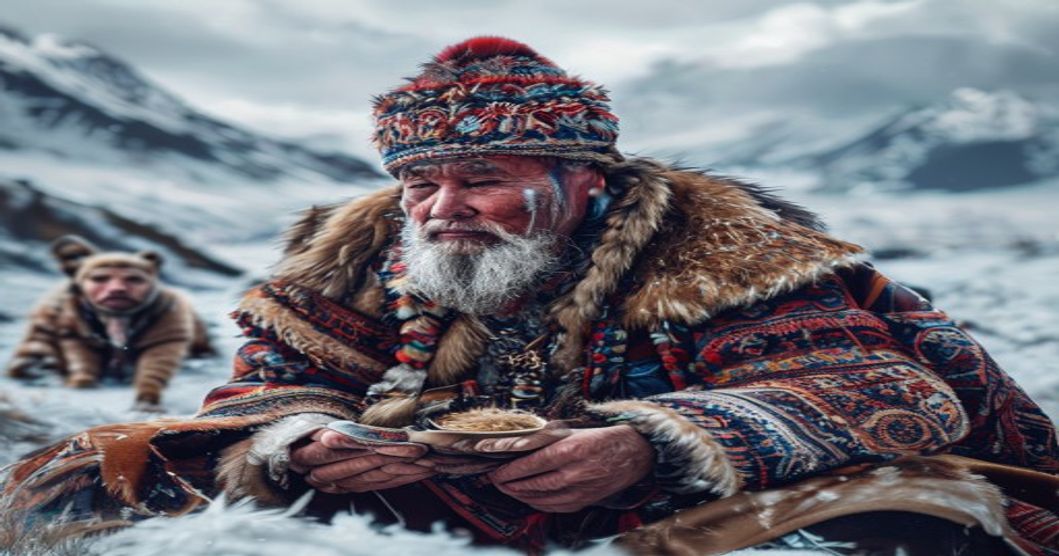
Traditional Sami Values in the Modern World
The Sami indigenous population across northern Scandinavia and Russia maintains a cultural framework rooted in centuries of ecological adaptation. Central to this system is boazu, the reindeer herding economy, which dictates seasonal migration corridors, pasture rotation schedules, and intergenerational knowledge transfer. Rather than treating landscapes as extractive resources, traditional Sami philosophy operates through eatnam—a functional relationship where human activity and environmental cycles remain mutually reinforcing. This framework emphasizes reciprocity, territorial restraint, and deep familiarity transmitted through drum rituals, seasonal calendars, and yoik vocalization patterns that encode topographical data.
- Ecological Reciprocity: Resource extraction follows strict rotational limits that prevent soil degradation and lichen depletion.
- Linguistic Territoriality: Dialect boundaries map directly onto historical migration routes, preserving geographic memory in syntax and vocabulary.
- Co-Governance Integration: Modern legal frameworks recognize indigenous decision-making authority alongside municipal planning departments.
Contemporary pressures including accelerated permafrost thaw, altered pasture availability, and commercial infrastructure expansion have necessitated adaptive strategies without abandoning foundational principles. Modern herding cooperatives integrate GPS telemetry and weather modeling while preserving ancestral routing intelligence passed through oral documentation. Legislative recognition through national Sami Parliaments has transformed land-use negotiations from unilateral corporate concessions to structured co-governance arrangements. Academic institutions now embed duodji craftsmanship and native language immersion into standardized educational pathways, reversing historical assimilation mandates. Digital repositories catalog dialectal variations previously vulnerable to extinction,
Foundations of Indigenous Knowledge Systems
The epistemological framework of Sami indigenous knowledge rests on centuries of continuous ecological observation and adaptive land use across Fennoscandia. Unlike abstract academic models, this knowledge system emerges directly from daily interaction with tundra and taiga ecosystems. Reindeer herding practices form the core of this foundation, requiring precise understanding of migration routes, lichen growth cycles, snowpack density, and seasonal weather shifts. Knowledge transmission occurs through multimodal apprenticeship, where elders demonstrate navigation techniques, animal husbandry protocols, and resource management strategies during actual fieldwork. Oral narratives, joik performances, and practical demonstrations function as interconnected archival systems that preserve ecological data across generations.
Spatial orientation relies on topographical memory rather than cartographic representation. Herders identify terrain features through linguistic markers embedded in the North Sami lexicon, which contains specialized terminology for ice conditions, wind patterns, and animal behavior. This linguistic precision enables micro-level environmental monitoring that Western scientific methods often overlook. Traditional forecasting combines atmospheric indicators with biological signals, such as bird migration timing and reindeer behavioral adaptations, creating predictive models validated through empirical success over millennia. Navigation techniques utilize star positions, water flow direction, and vegetation density to maintain accurate routes across featureless landscapes.
- Ecosystem reciprocity: Resource extraction follows strict rotational protocols that prevent habitat degradation and maintain biodiversity.
- Intergenerational pedagogy: Learning occurs through guided participation, requiring physical presence in ancestral territories to acquire contextual competence.
- Ecological documentation: Historical migration patterns, grazing grounds, and seasonal camps are recorded through place names that encode environmental history.
Contemporary validation of these systems demonstrates remarkable alignment with modern environmental science. Satellite tracking data now confirms reindeer movement patterns documented through traditional knowledge. Climate researchers utilize historical ecological observations to model ecosystem responses to temperature fluctuations. Legal frameworks increasingly recognize land-based epistemology as essential for sustainable resource management, particularly
Sustainable Resource Management Practices
The foundation of Sami ecological stewardship rests upon a deeply embedded reciprocal relationship with the Arctic and Subarctic landscapes. Rather than viewing land as a commodity, traditional frameworks operate through the siida system, a cooperative governance structure that regulates reindeer herding, fishing, and forestry based on precise environmental feedback loops. This model prioritizes long-term ecosystem resilience over short-term extraction, ensuring that grazing pressure never exceeds natural regeneration capacity.
Seasonal migration routes form the operational backbone of this management approach. Herders monitor subtle shifts in vegetation phenology, snow density, and ice stability to adjust pasture rotation schedules dynamically. By allowing specific grazing zones extended recovery periods during critical breeding or calving seasons, the practice maintains soil structure, prevents overgrazing, and preserves biodiversity hotspots. Indigenous weather forecasting techniques, passed down through oral documentation and practical apprenticeship, provide hyperlocal climate data that often supplements satellite meteorology.
- Rotational Pasture Allocation: Strategic division of grazing territories prevents vegetation depletion and supports natural forage regrowth cycles.
- Hydrological Monitoring: Traditional ice-reading methods guide safe passage across frozen waterways while minimizing disturbance to aquatic ecosystems during spawning periods.
- Biodiversity Symbiosis: Grazing patterns naturally mimic wild herbivore movements, promoting plant species diversity and reducing invasive flora establishment.
Contemporary implementation merges these ancestral protocols with precision agriculture technologies. GPS collars on reindeer herds generate spatial datasets that validate historical migration corridors, while drone imagery assists in assessing pasture health without physical intrusion. Legal frameworks across Nordic jurisdictions increasingly recognize siida-based land use rights, integrating Indigenous resource governance into national conservation strategies. This synthesis of traditional ecological knowledge and modern monitoring tools offers a scalable model for climate adaptation, demonstrating how centuries-old stewardship principles directly mitigate habitat fragmentation and accelerate ecosystem recovery in rapidly warming northern latitudes.
Community Governance and Decision Making Structures
Traditional Sami governance operates through the siida, a decentralized kinship and resource-management unit that historically coordinated reindeer migrations, seasonal fishing camps, and hunting territories. Decision making within these communities relied on continuous dialogue rather than majority voting. Experienced herders and elders facilitated discussions until consensus emerged, ensuring that resource extraction remained aligned with ecological carrying capacity and collective survival requirements. Land stewardship was never formalized through private deeds but transmitted orally across generations, reinforced by shared labor during autumn roundups, winter calving grounds, and spring pastures.
Modern institutional frameworks have absorbed these mechanisms while navigating Nordic state bureaucracy. Sami Parliaments in Norway, Sweden, and Finland now function as statutory consultative bodies that aggregate grassroots consensus into legislative recommendations. Local reindeer husbandry associations still require unanimous approval for herd movements, grazing permits, and cross-border infrastructure projects. When external developers propose mineral extraction or renewable energy installations on traditional territories, community assemblies conduct dual-track impact assessments combining environmental science with ancestral ecological indicators. Disputes are typically resolved through mediation panels comprising senior herders, youth delegates, and legal specialists versed in Nordic indigenous law and ILO Convention 169 obligations.
- Resource stewardship over ownership, where land functions as a shared trust rather than alienable property
- Intergenerational knowledge transfer through seasonal work camps, apprenticeship systems, and oral mapping practices
- Adaptive governance protocols that modify traditional consensus methods without abandoning core ecological ethics
- Legal pluralism implementation that recognizes customary law alongside national statutes in environmental licensing and land-use permits
Contemporary friction arises when state administrative processes demand rigid submission deadlines incompatible with deliberative consensus building. Communities increasingly document oral histories, grazing patterns, and seasonal calendars to strengthen claims in administrative courts and planning hearings. Digital mapping platforms now track traditional routes while encrypted messaging networks facilitate participation for dispersed family members working abroad. The structural resilience of Sami governance stems from its ability to absorb external regulatory pressure without fracturing the underlying principle of collective responsibility and ecological reciprocity.
Contemporary Pressures on Sami Cultural Continuity
The intersection of indigenous heritage and rapid industrialization creates multifaceted challenges for Sami cultural continuity across Fennoscandia. State-sanctioned resource extraction, including large-scale mining operations, commercial forestry, and renewable energy infrastructure projects, frequently bypasses traditional land-use rights. These economic pressures directly disrupt pastoral routes and limit access to critical grazing territories, fragmenting the spatial foundation of Sami livelihoods. Legal frameworks in Norway, Sweden, and Finland continue to prioritize national development agendas over indigenous sovereignty, forcing communities into protracted litigation that drains financial resources and delays protective measures.
Ecological shifts driven by climate change compound these structural vulnerabilities. Accelerated permafrost thawing, unpredictable snowfall patterns, and shifting vegetation zones destabilize reindeer pastoralism, the economic and spiritual cornerstone of Sami society. Traditional ecological knowledge, refined over centuries through precise environmental observation, struggles to adapt when baseline climatic conditions shift faster than documented historical records allow for predictive modeling. This disruption threatens intergenerational knowledge transfer, as younger generations cannot reliably learn navigation, animal husbandry, or seasonal migration timing from elders under increasingly volatile weather systems.
- Linguistic Erosion: National education curricula prioritize dominant European languages, marginalizing Northern Sami and other regional dialects in formal instruction and administrative processes.
- Commercial Commodification: Cultural symbols and traditional crafts face market exploitation, diluting authentic practices through mass-produced replicas that strip ceremonial and social context.
- Digital Infrastructure Gaps: Limited broadband access in remote northern territories restricts participation in digital cultural preservation initiatives and modern economic opportunities.
- Political Representation Limits: Sami parliaments hold advisory status rather than legislative authority, constraining direct policy influence over land management and cultural funding allocations.
Administrative assimilation persists through standardized bureaucratic requirements that ignore customary governance structures. Municipal zoning laws often override seasonal migration corridors, while language policies in healthcare and judicial systems remain inconsistent despite constitutional recognition. Community-led revitalization efforts rely heavily on grassroots funding and international indigenous networks to maintain cultural institutions. The sustained transmission of Sami values now depends on adaptive strategies that integrate modern legal advocacy, digital archiving, and cross-border cooperation with other circumpolar indigenous groups.
Environmental Shifts in the Arctic Region
The Arctic region experiences atmospheric warming at nearly four times the global average, fundamentally restructuring landscapes that sustained indigenous livelihoods for millennia. Rapid permafrost degradation destabilizes traditional reindeer grazing corridors, forcing herds to navigate collapsed terrain and expend excessive caloric reserves. Coastal ice thickness on fjords and inland waterways diminishes unpredictably, compromising safe passage routes that Sámi communities historically utilized for seasonal migrations and supply transport. Warmer winter months occasionally generate rain-on-snow precipitation events, forming impenetrable ice crusts that seal off lichen pastures and trigger widespread livestock mortality. Shrub encroachment advances northward, displacing critical ground vegetation while simultaneously introducing novel parasite vectors to reindeer populations.
- Permafrost thaw creates thermokarst depressions that fragment seasonal migration routes and increase energy expenditure for grazing animals.
- Rain-on-snow layers prevent reindeer from accessing subnivean lichen, leading to starvation events during late winter months.
- Northern shrub expansion alters soil moisture retention and reduces the availability of traditional medicinal plants used in Sámi herbal practices.
- Unpredictable ice formation on inland lakes eliminates reliable winter travel networks that historically connected dispersed family camps.
These ecological transformations directly challenge the foundational Sámi principle of pastoral stewardship, which depends on precise synchronization between animal movement and subtle environmental indicators. Traditional knowledge systems, calibrated over generations through continuous observation of meteorological patterns and wildlife behavior, now confront accelerated variables that exceed historical baselines. Contemporary herders increasingly rely on satellite telemetry and algorithmic forecasting to compensate for unreliable natural cues, yet digital models frequently miss microclimatic fluctuations essential for small-scale grazing operations. Accelerated coastal erosion consumes culturally significant burial grounds and seasonal encampments, while altered fish migration routes disrupt riverine harvesting traditions that historically supplemented winter nutrition.
Community responses prioritize adaptive co-management frameworks over static preservation strategies. Sámi institutions actively monitor hydrological shifts, document vanishing topographical place names, and overlay ancestral land-use records with contemporary climate datasets. Educational initiatives integrate elder observational techniques with university-led ecological research to construct hybrid prediction models. Infrastructure modifications include reinforced ice corridors, mobile grazing shelters engineered for unpredictable weather windows, and cooperative veterinary networks addressing stress-related livestock conditions linked to habitat fragmentation. Ongoing pastoral cycle recalibration demands continuous negotiation between statutory conservation boundaries, industrial extraction permits, and indigenous land claims, requiring governance structures that treat ecological volatility as a permanent operational parameter.
Legal Battles Over Territorial Sovereignty
Contemporary disputes regarding Sami territorial sovereignty center on overlapping jurisdictional claims between indigenous governance structures and Nordic state authorities. The legal framework governing these conflicts relies heavily on ILO Convention No. 169, which mandates free, prior, and informed consent for resource extraction activities affecting indigenous lands. Despite ratification by Norway and Sweden, Finland has not incorporated the convention into domestic law, creating divergent judicial precedents across Sápmi.
Norwegian courts have repeatedly addressed the tension between state-granted mining concessions and traditional reindeer husbandry rights. The 2017 Supreme Court ruling in the Kallak case established that state permits for iron ore extraction cannot override customary land use patterns, reinforcing the principle of coexistence over exclusion. However, enforcement mechanisms remain fragmented, requiring continuous litigation to halt infrastructure development near critical grazing corridors.
Swedish legal proceedings frequently target forest management licenses issued by private timber companies. The 2020 Umeå Court of Appeal decision clarified that state ownership of northern forests does not extinguish Sami customary rights derived from historical hunting, trapping, and pasture practices. Litigants must demonstrate continuous use across generations, a burden that demands extensive archival evidence and oral testimony integration.
Wind energy expansion introduces additional jurisdictional friction. Developers must navigate environmental impact assessments that now require explicit consultation with Sami reindeer herding communities. Failure to secure consensus has triggered injunctions under both national administrative law and international human rights instruments. The legal strategy increasingly targets procedural violations rather than substantive project approval, leveraging UNDRIP Article 32 as interpretive guidance for domestic courts.
- ILO Convention 169 ratification status determines baseline consultation requirements across Nordic jurisdictions.
- Customary land use documentation relies on historical tax records, church registries, and intergenerational oral archives.
- Mining permit appeals frequently cite ecological disruption to reindeer migration routes as grounds for administrative review.
- Wind farm injunctions target failure to conduct adequate impact assessments rather than opposing renewable energy outright.
Judicial outcomes increasingly recognize territorial sovereignty as a shared management model rather than absolute exclusion. Legal practitioners now prioritize binding consultation agreements and joint monitoring committees over blanket land claims. This shift reflects a pragmatic adaptation of traditional stewardship principles within contemporary regulatory environments, ensuring cultural continuity while navigating complex resource governance frameworks.
Integration of Digital Technologies in Daily Life
Indigenous Sami communities across northern Scandinavia and the Kola Peninsula are actively embedding digital infrastructure into daily routines without compromising ancestral practices. Mobile applications now support real-time weather monitoring and satellite tracking for reindeer herding, allowing pastoralists to navigate vast tundra landscapes with precision while maintaining traditional seasonal migration patterns. These tools replace outdated analog methods, yet the decision-making process remains deeply rooted in generational ecological knowledge.
Digital platforms have transformed language preservation efforts. Interactive dictionaries and voice-recording software capture dying dialects of North, South, and Lule Sami, enabling younger generations to learn vocabulary through gamified interfaces rather than formal classroom settings alone. Social media channels dedicated to indigenous arts connect artisans selling duodji crafts directly with global buyers, bypassing traditional middlemen and increasing profit margins. Online marketplaces facilitate the distribution of handmade reindeer leather goods, ensuring economic sustainability while keeping craft techniques intact.
- GPS navigation systems adapted for snowmobile routes preserve historical grazing corridors documented in oral histories
- Digital archives store centuries-old joik recordings alongside contemporary compositions, creating searchable cultural repositories
- Virtual reality simulations teach youth traditional tent construction and hide-tanning methods in immersive environments
Connectivity challenges persist in remote Arctic settlements where broadband infrastructure remains limited. Community-led mesh networks and low-earth-orbit satellite internet initiatives bridge these gaps, enabling telemedicine consultations, remote education, and digital governance participation. The adoption of these systems does not erase cultural identity; rather, it reinforces resilience by allowing Sami leaders to manage land rights documentation, coordinate cross-border reindeer movements, and broadcast environmental data that supports indigenous sovereignty claims in international forums.
Preservation Frameworks and Cultural Adaptation Strategies
The institutional scaffolding supporting Sámi cultural continuity relies on multi-tiered legal mechanisms and community-driven governance structures. National Sámi Parliaments established across Norway, Sweden, and Finland operate as legislative advisory bodies that negotiate land-use rights, resource extraction permits, and educational curricula directly with state authorities. These parliamentary frameworks intersect with international instruments such as the United Nations Declaration on the Rights of Indigenous Peoples and UNESCO’s intangible cultural heritage protocols, creating enforceable standards for cultural protection.
Educational adaptation remains a primary vector for value transmission. Bilingual schooling models integrate traditional ecological knowledge alongside standardized national curricula, ensuring linguistic fluency while maintaining academic rigor. University research institutes in Tromsø, Umeå, and Oulu coordinate archival digitization projects that map historical reindeer migration corridors using geospatial technology. This spatial data directly informs contemporary land claims and supports sustainable grazing management under climate pressure.
- Language revitalization programs deploy mobile applications and community-led immersion camps to accelerate intergenerational fluency in North, Lule, and Southern Sámi dialects.
- Digital repositories preserve oral histories, joik performances, and duodji craftsmanship techniques through high-resolution audio-visual documentation linked to geographic metadata.
- Intellectual property frameworks protect traditional knowledge from commercial exploitation while enabling licensed cultural enterprises to operate within ethical guidelines.
Modern adaptation strategies prioritize ecological alignment over static preservation. Seasonal reindeer herding routes receive satellite monitoring and climate modeling inputs, allowing pastoral communities to adjust migration patterns without abandoning ancestral practices. Youth leadership initiatives combine traditional craft workshops with contemporary design education, creating marketable products that retain cultural authenticity while meeting global sustainability standards. Cross-border Sámi networks facilitate policy harmonization, ensuring that adaptation efforts remain culturally coherent despite differing national jurisdictions.
Academic Research and Oral History Documentation
Academic institutions across the Nordic region and beyond have established rigorous frameworks for preserving Sami knowledge systems through structured ethnographic fieldwork and systematic oral history collection. University departments specializing in indigenous studies, linguistics, and cultural anthropology now prioritize participatory research models that position Sámi communities as co-investigators rather than passive subjects. These methodologies rely on long-term relationship building, informed consent protocols adapted to communal decision-making structures, and transparent data ownership agreements that align with international indigenous research standards.
Oral history documentation centers on capturing intergenerational transmission of ecological knowledge, reindeer husbandry practices, seasonal migration patterns, and spiritual cosmologies. Researchers utilize high-fidelity audio recording equipment, geospatial mapping software, and multilingual transcription databases to preserve the phonetic nuances of joik performances and dialectal variations across Ume, Lule, North, and South Sami regions. Field teams apply standardized dialectometric surveys and audio spectrogram analysis to document vowel shifts and tonal patterns specific to each linguistic branch. Cross-referencing these acoustic records with historical land-use maps allows researchers to track environmental modifications over three centuries. The Sámi University of Applied Sciences in Kárášjohka operates dedicated digital repositories that integrate video recordings, contextual metadata, and community annotations. Parallel initiatives managed by the Norwegian Folklore Archive and the Finnish Literature Society apply similar archival standards to endangered dialect groups.
Contemporary academic projects increasingly employ decolonial research frameworks that address historical extraction practices. Scholars now collaborate with Sámi parliaments, local cultural centers, and youth language revitalization programs to ensure documentation directly supports educational curricula and land rights advocacy. Ethical guidelines mandate that raw recordings remain accessible only to designated community custodians until formal agreements establish broader scholarly access. This shift has transformed archival practices from static preservation into dynamic knowledge stewardship, where traditional ecological indicators, winter survival techniques, and customary governance models are systematically cross-referenced with climate adaptation data. The resulting databases serve as foundational resources for policy development, cultural heritage certification processes, and interdisciplinary studies examining how indigenous epistemologies inform sustainable resource management in rapidly changing Arctic environments.
Policy Advocacy Within Nordic and International Bodies
The institutional architecture supporting Sámi policy advocacy operates through layered Nordic frameworks that directly translate ancestral governance models into contemporary legislative processes. The Sámi Council functions as the primary pan-Nordic representative body, coordinating legislative proposals across Norwegian, Swedish, and Finnish parliamentary committees. Traditional concepts such as eatnamat (collective land and water rights) and seasonal migration corridors form the structural foundation for modern resource management legislation. Nordic intergovernmental working groups integrate Sámi advisory status into mining permits, infrastructure development approvals, and forestry regulations, ensuring that customary ecological knowledge influences environmental impact assessments before project implementation begins.
- Nordic Council of Ministers Sámi Affairs Committee establishes binding consultation protocols for cross-border policy alignment
- Sámi Parliaments utilize formal veto mechanisms in regional development planning across Finnmark, Lapland, and Norrbotten counties
- Joint Nordic legislation mandates bilingual documentation and indigenous impact assessments for all publicly funded initiatives
International advocacy channels amplify these regional mechanisms by embedding Sámi stewardship principles into global regulatory frameworks. The implementation of UNDRIP Article 31 directly supports institutional demands for intellectual property protection over traditional knowledge systems, particularly regarding medicinal plant usage and reindeer husbandry techniques. ILO Convention 169 ratification processes in Nordic states create enforceable legal boundaries against unauthorized resource extraction on recognized grazing territories. Climate policy development increasingly incorporates Sámi seasonal calendars and ice-reading methodologies into IPCC assessment reports, transforming oral ecological documentation into peer-reviewed scientific data used for adaptation strategies.
- Digital sovereignty initiatives secure government funding for indigenous language preservation within national education curricula
- EU Advisory Committee on Regional Affairs grants formal consultative status to Sámi representative networks
- International arbitration tribunals consistently reference customary land tenure precedents in cross-border resource disputes
Sustained lobbying efforts within these institutions generate measurable policy shifts regarding resource allocation and cultural preservation mandates. Co-management agreements between state agencies and Sámi governing bodies establish joint oversight for national parks, waterway management, and wildlife conservation zones. Funding mechanisms prioritize community-led documentation projects that digitize historical migration routes and traditional ecological knowledge archives. The integration of customary governance metrics into modern statutory compliance frameworks ensures that ancestral decision-making structures maintain operational authority alongside contemporary administrative systems.
Economic Opportunities Aligned with Indigenous Ethics
The integration of contemporary market mechanisms with traditional Sami ethical frameworks requires a deliberate restructuring of revenue models to prioritize ecological balance, intergenerational equity, and community sovereignty. Modern economic ventures within Sami territories increasingly operate through cooperative structures that mirror the historical siida system, ensuring decision-making remains decentralized and culturally grounded. Reindeer husbandry enterprises have transitioned from subsistence practices into certified sustainable supply chains, where carbon-sequestering pasture management and traceable meat production generate premium market positioning without compromising herd welfare or migration corridors.
Digital commerce platforms now facilitate direct-to-consumer sales of duodji handicrafts, eliminating intermediary exploitation while preserving the cultural protocols embedded in material selection and design. These enterprises utilize blockchain verification to authenticate provenance, linking each product to specific herding regions and artisan lineages. Eco-tourism initiatives follow community-governed frameworks that limit visitor capacity, mandate indigenous leadership, and redirect profits toward language revitalization programs and land restoration projects.
- Cooperative Ownership Models: Enterprises structured as member-owned collectives align profit distribution with cultural participation thresholds rather than pure capital investment.
- Circular Resource Utilization: Modern processing facilities apply zero-waste protocols to reindeer byproducts, transforming hides, bones, and organs into pharmaceutical precursors, biodegradable textiles, and nutritional supplements.
- Digital Sovereignty Infrastructure: Indigenous-controlled data networks manage tourism bookings, artisan marketplaces, and grazing logistics, preventing external platform monopolies from dictating economic terms.
Financial instruments targeting Sami entrepreneurs increasingly incorporate cultural impact metrics alongside traditional ROI calculations. Green bonds issued by northern municipalities fund renewable energy microgrids that power off-grid duodji workshops and climate-resilient pasture infrastructure. Educational grants bridge technical certification gaps while embedding Sami ecological knowledge into agricultural extension services. Policy frameworks across Norway, Sweden, Finland, and Russia now require free, prior, and informed consent for any commercial development on recognized reindeer pastures, effectively filtering out extractive industries incompatible with indigenous stewardship principles.
Sustainable economic expansion within this context depends on maintaining the reciprocal relationship between human activity and environmental carrying capacity. Market access no longer requires cultural dilution; instead, authenticity functions as a competitive advantage in global niches demanding verified ethical sourcing, regenerative agriculture, and transparent supply chains. Financial institutions adapting their lending criteria to recognize land-use rights as collateral have unlocked capital for youth-led ventures that merge traditional ecological practices with modern agritech monitoring systems.
Responsible Tourism Models That Respect Sacred Sites
Indigenous land stewardship requires tourism frameworks that prioritize ecological balance and cultural continuity over visitor volume. Operators implementing responsible models in Sápmi establish strict access protocols for duodji, noaidj, and ancestral landscapes. These frameworks begin with community-led consent mechanisms, where local reindeer herding cooperatives and Sámi parliaments approve or deny site visits based on seasonal calving periods and spiritual observances. Capacity limits prevent soil degradation and reduce acoustic pollution that disrupts wildlife migration patterns.
Effective frameworks integrate three operational pillars: educational pre-arrival modules, on-site indigenous guidance, and post-visit impact assessments. Travelers complete mandatory digital briefings covering Sámi cosmology, prohibited behaviors, and historical context before departure. Certified guides, trained through formal Sámi university programs, lead small groups along designated trails while interpreting rock carvings, sacred trees, and ritual markers without revealing geolocations or sharing unverified oral histories.
- Community Revenue Redistribution: A fixed percentage of booking fees funds language revitalization programs, land restoration initiatives, and youth mentorship projects within participating villages.
- Seasonal Access Windows: Sites remain closed during spring lambing, autumn rutting seasons, and winter solstice ceremonies to protect breeding grounds and maintain ritual integrity.
- Digital Footprint Controls: Strict no-drone policies, mandatory geotag removal, and algorithmic suppression of sensitive coordinates prevent overcrowding and unauthorized commercial exploitation.
Sustainability metrics track trail erosion rates, wildlife disturbance indices, and local employment percentages. Operators adjust group sizes or rotate access zones when thresholds are exceeded. Certification bodies evaluate compliance through annual audits, visitor feedback loops, and independent ecological surveys. This structured approach transforms cultural tourism from a extractive practice into a regenerative partnership, ensuring sacred landscapes remain intact for future generations while providing transparent economic benefits to indigenous stakeholders.
Revitalizing Traditional Craftsmanship for Global Markets
Sami artisans are navigating a complex transition as historical textile techniques, reindeer leatherworking, and silver filigree gain traction in international design circles. The convergence of heritage preservation and commercial scalability requires precise market positioning. Global consumers increasingly demand authentic provenance, yet counterfeit productions dilute cultural value. Establishing transparent supply chains becomes essential for maintaining integrity.
Successful adaptation hinges on balancing ancestral methodology with contemporary production standards. Artisans must document material sourcing, verify ecological compliance, and align with fair-trade certification frameworks. Digital storefronts now serve as primary outreach channels, necessitating high-resolution visual documentation, multilingual product narratives, and SEO-optimized metadata. Each listing requires structured data markup to capture search intent accurately.
- Certified Provenance Systems: Implement blockchain-backed tracking for raw materials like reindeer antler, wool, and traditional dyes.
- Collaborative Design Frameworks: Partner with sustainable fashion houses to co-create limited editions that respect ceremonial restrictions.
- Educational Content Integration: Publish technical guides explaining loom construction, tool carving methods, and seasonal harvesting protocols.
- Regional Trade Agreements: Leverage Nordic cross-border commerce policies to reduce tariff barriers for certified cultural goods.
Market differentiation relies on verifiable authenticity rather than aesthetic approximation. Third-party cultural institutions and indigenous rights organizations now validate production claims, creating a tiered verification ecosystem. Retailers who omit these credentials face algorithmic demotion in curated marketplace searches. Conversely, verified listings gain priority placement in ethical commerce filters.
Economic revitalization extends beyond individual workshops. Regional cooperatives pool resources for shared logistics, quality control labs, and international trade shows. This consolidation stabilizes pricing, reduces dependency on middlemen, and strengthens collective bargaining power. The sustained integration of duodji traditions into contemporary supply chains demonstrates how indigenous knowledge systems can operate profitably without cultural erosion.
Cooperative Business Structures in Remote Communities
Remote Sami communities have historically sustained themselves through collective resource management, a practice that naturally evolved into modern cooperative business frameworks. Rather than adopting individualistic commercial models, these groups structure enterprises around shared stewardship of land, livestock, and cultural knowledge. Reindeer herding remains the economic backbone, but cooperatives now extend into handicraft production, eco-tourism, digital media, and sustainable agriculture. Governance within these structures relies on consensus-based decision-making, where elders and younger entrepreneurs jointly evaluate market opportunities against cultural boundaries.
Operational frameworks prioritize transparency and intergenerational equity. Profit distribution follows predefined formulas that reinvest in community infrastructure, language revitalization programs, and youth training initiatives. Membership requirements often include demonstrated commitment to Sami traditions, ensuring economic expansion does not dilute cultural identity. Digital cooperatives have emerged as critical bridges to global markets, enabling artisans to bypass traditional intermediaries while maintaining pricing control and authenticity verification.
- Collective asset pooling reduces individual financial risk during harsh climatic fluctuations or market volatility.
- Cultural compliance audits verify that product sourcing, marketing narratives, and labor practices align with ancestral protocols.
- Shared logistics networks lower transportation costs across dispersed fjord and tundra settlements.
- Knowledge-transfer contracts legally bind experienced practitioners to mentor emerging entrepreneurs in sustainable grazing, traditional dyeing techniques, and digital commerce platforms.
Regulatory environments in Norway, Sweden, Finland, and Russia present varying degrees of support for indigenous enterprise development. Successful cooperatives actively engage with regional agricultural ministries, tourism boards, and cross-border Sami councils to secure grants, tax incentives, and infrastructure upgrades. Despite these advantages, operational hurdles persist. Limited broadband connectivity in high-latitude zones disrupts real-time inventory management and e-commerce fulfillment. Additionally, navigating foreign consumer expectations requires careful calibration between commercial scaling and cultural authenticity. Cooperatives that invest in localized technical training, multilingual customer service, and blockchain-based provenance tracking consistently outperform conventional regional businesses.
Future Pathways for Sami Identity and Global Influence
The trajectory of Sami identity relies heavily on technological sovereignty and data governance frameworks that prioritize indigenous control over digital assets. Developing open-source language applications with integrated dialect mapping allows Sámi speakers to maintain linguistic continuity across three national borders. Digital repositories built on decentralized architecture prevent external commercialization of sacred knowledge while enabling academic access through tiered permission systems. Educational platforms utilizing adaptive learning algorithms can accelerate second-language acquisition for diaspora youth, bridging generational gaps that historically weakened cultural transmission.
- Digital Infrastructure: Municipal governments in Troms and Finnmark are piloting blockchain-based land registries to document historical grazing routes, establishing legal precedence against extractive industries.
- Intellectual Property Reform: International trade negotiations now incorporate Sámi trademark clusters, protecting traditional joik melodies and duodji craftsmanship from cultural appropriation while generating municipal revenue.
- Climate Adaptation: Herding cooperatives deploy satellite telemetry with pattern recognition to predict ice stability, reducing livestock mortality during unpredictable winters caused by atmospheric shifts.
Economic resilience requires transitioning from subsidy dependency to circular value chains that leverage indigenous ecological knowledge. Sustainable tourism operators implement carrying capacity algorithms and revenue-sharing agreements directly with local Sámi councils, ensuring visitor experiences align with seasonal reindeer migration patterns rather than commercial exploitation. Green financing instruments increasingly recognize traditional land stewardship as verifiable carbon sequestration, allowing communities to monetize conservation efforts through verified emission reduction credits.
Cross-border institutional frameworks must evolve beyond symbolic recognition into binding policy coordination. The Sámi Parliament network currently negotiates unified standards for bilingual signage, environmental impact assessments, and curriculum accreditation across Norway, Sweden, Finland, and the Kola Peninsula. Youth leadership accelerators focus on legislative drafting skills, enabling next-generation representatives to draft municipal ordinances that explicitly protect wetland ecosystems critical for both biodiversity and cultural practices. Strategic alliances with Arctic research institutes provide peer-reviewed data supporting indigenous knowledge systems within international climate accords.
Digital Storytelling and Autonomous Media Production
The transition toward autonomous media production has fundamentally reshaped how Sami communities safeguard and transmit their ancestral knowledge. Rather than relying on external documentary filmmakers or academic institutions, indigenous creators now wield accessible digital tools to control their own narratives. This shift directly counters historical misrepresentation by placing editorial authority within the hands of community members who understand the contextual nuances of land rights, seasonal migration patterns, and spiritual practices.
- Smartphones equipped with high-fidelity audio capture allow elders to record joik performances and oral histories without technical barriers.
- Community-run YouTube channels and podcast networks distribute these recordings globally while maintaining strict copyright and usage agreements.
- Drone footage and GPS mapping software document traditional grazing routes, sacred landscapes, and seasonal camps, creating dynamic digital archives accessible to younger generations.
Language revitalization efforts benefit significantly from this technological autonomy. Developers with Sami heritage collaborate on mobile applications that teach dialect variations through interactive storytelling modules. These platforms integrate phonetic analysis tools to help users pronounce regional terms accurately. Digital repositories store thousands of hours of recorded conversations, business correspondence, and historical documents in endangered Sami languages. Content creators embed traditional ecological knowledge directly into video essays, demonstrating how reindeer husbandry practices align with modern conservation science.
This self-directed media ecosystem fosters intergenerational dialogue while dismantling monolithic stereotypes about indigenous life. Young producers combine contemporary editing techniques with ancestral motifs, producing documentaries that examine climate change impacts on tundra ecosystems through a distinctly Sami lens. Economic independence follows naturally as creators monetize their work directly through streaming platforms and digital licensing agreements. The result is a resilient cultural infrastructure where technology serves as a vessel rather than a replacement for lived tradition.
Long-Term Viability of Nomadic Livelihoods
The long-term viability of Sami nomadic livelihoods depends on the systematic integration of ancestral migration patterns with contemporary land-use regulations and ecological monitoring. Reindeer herding requires access to continuous grazing corridors, yet expanding forestry operations, mineral extraction permits, and renewable energy infrastructure continuously fragment traditional territories. Herders now utilize geospatial tracking collars alongside historical lichen growth data to calculate precise carrying capacity thresholds. This dual approach prevents pasture degradation while maintaining herd nutrition during extreme weather events. Digital platforms allow multiple herding districts to share real-time forage availability maps, reducing competitive overgrazing and enabling coordinated seasonal movements.
Legal recognition of grazing rights directly determines economic sustainability. Regions that have secured formal co-management agreements between state agencies and Sámi parliaments report significantly higher calf survival rates and lower infrastructure-related livestock mortality. Policy frameworks must align administrative boundaries with actual migration routes rather than arbitrary political borders. Cooperative business models provide the necessary financial structure to standardize meat processing, regulate export pricing, and distribute veterinary supplies efficiently. These cooperatives also fund research into disease prevention and alternative feed strategies during prolonged winter conditions.
- Implementing dynamic grazing quotas that adjust annually based on satellite vegetation indices and historical yield data
- Deploying low-impact digital monitoring systems to track herd movement without disrupting natural migration triggers
- Structuring intergenerational knowledge transfer programs that combine veterinary science with traditional weather forecasting methods
- Developing regulated cultural tourism protocols that generate direct revenue for pasture maintenance and youth education
Economic diversification through Sámi handicraft markets and Indigenous-led tourism initiatives creates supplementary income streams during periods when herd sizes must be reduced. These ventures require strict quality control standards and authentic branding to prevent cultural appropriation while maintaining commercial viability. Educational curricula focusing on rangeland ecology, cooperative law, and digital finance equip younger herders with the technical expertise needed to negotiate land-use contracts and manage complex subsidy applications. The continuity of nomadic pastoralism ultimately rests on enforceable grazing permissions, continuous ecological assessment, and institutional respect for Sámi territorial sovereignty.
Frequently Asked Questions
What is Traditional Sami Values in the Modern World?
Traditional Sami values in the modern world refer to the enduring cultural principles, spiritual beliefs, and communal practices of the indigenous Sami people that continue to shape their identity and adaptation today. These values emphasize a deep connection to nature, sustainable reindeer herding, respect for elders, oral storytelling, and the preservation of the Sami language despite globalization pressures.
Key facts about Traditional Sami Values in the Modern World
Key facts include: 1) The concept of ‘Eallin’ (life/balance) guides ethical decision-making and environmental stewardship. 2) Reindeer herding remains a central economic and cultural practice, legally protected in Nordic countries. 3) Traditional knowledge is increasingly integrated with modern science for climate adaptation and land management. 4) Sami parliaments in Norway, Sweden, and Finland actively advocate for the preservation of these values in contemporary legal and educational frameworks.